

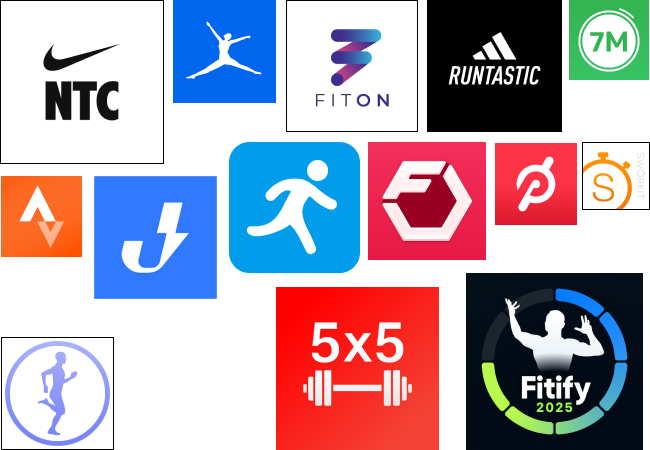
It all begins with a shift—a growing desire to feel better, move faster, and live healthier. Today, that journey often starts with your phone. Fitness apps make staying active easier than ever. According to Statista, 1.3 billion people are expected to use fitness apps to stay active, lose weight, or live healthier by 2029.
Fitness apps are more than digital tools. They act as nutrition, progress-tracking, and personal-coaching apps. With so many options, choosing the best fitness apps can feel overwhelming. Or maybe you want to build a fitness app yourself. Either way, having the proper guidance makes all the difference.
What is a Fitness App?
A fitness app is a digital fitness solution designed to keep users active, healthy, and motivated. These apps provide a variety of features, including:
- Calorie tracking app to manage daily intake
- Step counting App to monitor movement
- Workout plan app for structured routines
- Progress monitoring app to track improvements
- Personalized fitness plans tailored to goals
- Social fitness app features to connect with communities
By combining these features, fitness journey apps help you stay consistent and reach your goals. They are perfect for anyone looking to stay active, lose weight, and live a healthier life.
In 2025, top fitness apps continue to evolve, making it easier to maintain fitness motivation and achieve long-term success. Whether using existing apps or planning to build a fitness app, these tools turn your fitness goals into action.
Top Free Fitness and Workout Apps to Watch Out for in 2025-26
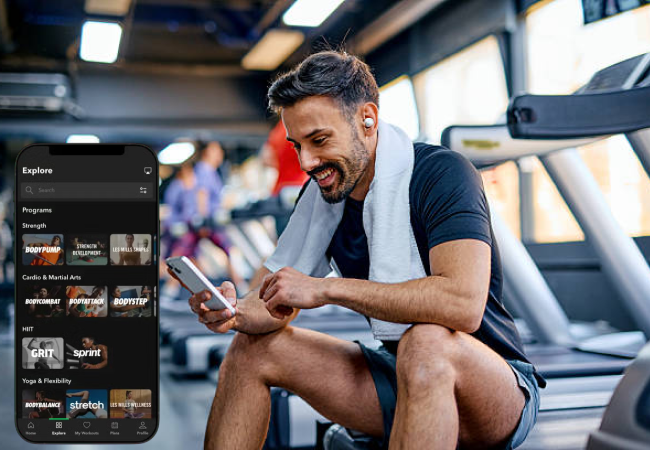
No matter if you are a beginner, intermediate, or advanced in your fitness journey, 2025-26 brings a wide range of top free fitness apps. Choosing the right free workout apps is key to staying consistent and reaching goals. Aligning the App with your needs helps you stay active, lose weight, and live a healthier life.
1. Nike Training Club App
The Nike Training Club app is one of the most popular free workout apps in the USA. It provides free fitness programs without any subscription. From yoga apps to HIIT workouts and strength training apps, it offers variety for all levels.
Key Highlights:
- Over 200+ free workout programs across multiple fitness categories.
- Guided sessions by Nike Master Trainers.
- Personalized fitness plans based on goals and activity.
- Workouts from 5 to 60 minutes, suitable for all levels.
Best For: Beginners to advanced users seeking free personal coach apps.
2. MyFitnessPal App
The MyFitnessPal app is a comprehensive nutrition and calorie-tracking app. It tracks food, macros, and calories while syncing with wearable fitness apps.
Key Highlights:
- Food database with 14 million items.
- Tracks calories, macros, and nutrients.
- Connects with fitness tracking apps and wearables.
- Community support for motivation.
Best For: Users focused on nutrition management and weight loss apps.
3. FitOn App
FitOn app brings a fun social twist to home workouts. It offers celebrity-led workouts and real-time fitness challenges.
Key Highlights:
- Hundreds of free workouts from celebrity trainers.
- Covers HIIT, yoga, pilates, dance, and strength training apps.
- Progress-tracking apps monitor results in real time.
- Most workouts require no subscription.
Best For: Users seeking high-energy, social fitness apps.
4. Adidas Training App by Runtastic
The Adidas Training app focuses on bodyweight workouts for home users. It adapts to progress and offers personalized fitness plans.
Key Highlights:
- Short, equipment-free workouts.
- Video tutorials for proper form.
- Integrates with Runtastic for GPS fitness apps tracking.
- Personalized plans based on goals.
Best For: Home fitness enthusiasts seeking structured guidance.
5. 7 Minute Workout App
The 7 Minute Workout app is suited to busy professionals. Its short workouts are scientifically proven to burn calories effectively.
Key Highlights:
- High-intensity circuit training (HICT).
- 7-minute routines for quick fitness sessions.
- Minimal to no equipment needed.
- Perfect for breaks during a busy day.
Best For: Professionals with limited time wanting short workouts.
6. Strava App
The Strava app combines fitness tracking apps with social interaction. It’s a global community for runners, cyclists, and endurance athletes.
Key Highlights:
- Tracks distance, speed, elevation, and routes.
- Connects with GPS devices and wearables.
- Social features: share activities, compete, and join challenges.
- Detailed performance analytics.
Best For: Outdoor fitness lovers who enjoy community fitness apps.
7. JEFIT App
The JEFIT app is ideal for gym-goers focusing on structured strength training. It offers exercise libraries and personalized fitness plans.
Key Highlights:
- An extensive database of exercises with instructions.
- Pre-designed workout plans for different goals.
- Tracks reps, sets, and progress.
- Syncs data across devices.
Best For: Users seeking structured gym workout apps.
8. MapMyRun App by Under Armour
The MapMyRun app tracks walking, jogging, and running sessions. It’s perfect for users of GPS fitness apps.
Key Highlights:
- Tracks pace, distance, and routes with GPS.
- Offers personalized training plans.
- Integrates nutrition logging.
- Syncs with wearable fitness apps.
Best For: Runners, walkers, and joggers.
9. Fitbod App
Fitbod app uses AI to create customizable workouts based on past performance and available equipment.
Key Highlights:
- AI-driven routines for optimal results.
- Adapts workouts based on equipment.
- Smart recovery tracking for proper rest.
- Strength-focused yet flexible for other goals.
Best For: Users seeking AI-powered workout apps.
10. Peloton App (Free Trial & Limited Workouts)
The Peloton app provides access to yoga, HIIT, strength, and meditation. Free trials give users a taste of premium fitness apps.
Key Highlights:
- Live and on-demand classes.
- Community challenges to stay motivated.
- World-class instructors guide every session.
- Free trial includes multiple fitness categories.
Best For: Users wanting premium classes without an upfront payment.
11. Sworkit App
The Sworkit app makes workouts flexible for all ages. It allows users to customize sessions by duration, difficulty, or goal.
Key Highlights:
- Strength, cardio, stretching, and yoga workouts.
- Free workouts are available for kids.
- No equipment required.
- Customizable sessions for individual needs.
Best For: Families and users wanting flexible home fitness apps.
12. Daily Workouts Fitness Trainer App
This home fitness app offers simple, no-frills routines for all fitness levels.
Key Highlights:
- Over 100 workouts from 5 to 30 minutes.
- Demonstrated by certified trainers.
- Covers the whole body: abs, arms, and legs.
- Free with no subscription.
Best For: Users who want quick at-home workouts.
13. Lose It! App
Lose It! The App is a weight-loss app with a strong focus on nutrition. It integrates with progress tracker apps for a complete fitness solution.
Key Highlights:
- Tracks calories, macros, and nutrients.
- Barcode scanner for food logging.
- Goal-setting tools for weight management.
- Community groups for support and motivation.
Best For: Users focused on nutrition management apps.
14. StrongLifts 5×5 App
The StrongLifts 5×5 app is built on the famous 5×5 strength training method. It provides structured workouts for progressive overload.
Key Highlights:
- Three sessions per week with compound lifts.
- Step-by-step guidance for all exercises.
- Tracks weights, sets, and progression.
- Suitable for beginners and experienced lifters.
Best For: Strength-training enthusiasts seeking structured strength-training apps.
15. Fitify App
Fitify app is an all-in-one fitness solution. It covers bodyweight and equipment-based routines.
Key Highlights:
- 850+ exercises for home or gym.
- Pre-made and customizable workout plans.
- AI adjusts routines based on progress.
- Offline access to workouts.
Best For: Users looking for a complete digital fitness solution.
Benefits of Free Workout Apps
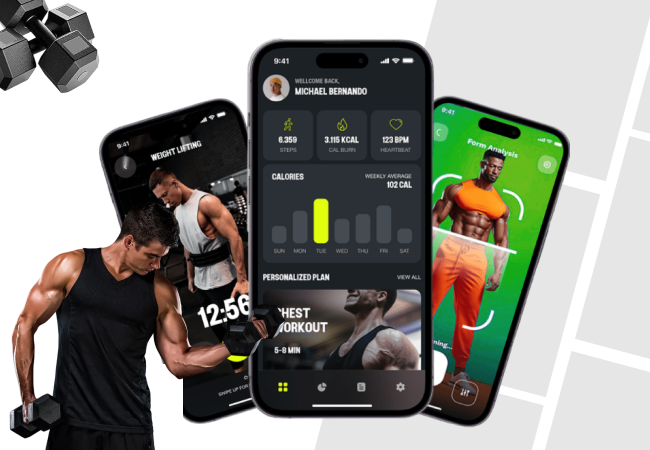
Following a workout routine helps you improve strength, stamina, and overall fitness. That part is proven. But getting a personalized training plan or hiring a coach can be expensive.
If you don’t need one-on-one support, then free workout apps are a wise choice. These apps save you money while still giving you firm workout plans, guided routines, and community support. That’s one of the most significant benefits of free workout apps today.
Another significant benefit is convenience. You can keep all your records in one place—no need to search through notebooks or fitness logs. Your reps, sets, and progress stay inside the App.
You also get complete flexibility. You can train at home, during travel, or on a quick break. With free workout apps, your routine stays on track, even without a commercial gym.
How to Choose the Best Fitness App
Choosing the right App depends on your fitness level, goals, lifestyle, equipment, and workout style. The best fitness apps offer a smooth interface, helpful features, and routines that match how you like to train.
Below are the main things to consider while choosing the top fitness apps of 2025.
1. Define Your Fitness Goal
Start with a clear goal. It makes your choice easier. If your goal is to lose weight or improve your overall fitness, look for free workout apps that offer guided HIIT, cardio, and full-body programs.
For muscle gain, choose apps that offer progressive strength training and robust tracking tools. For flexibility or stress relief, go with yoga, meditation, or mobility apps. These help you stay active, relaxed, and consistent.
2. Check App Ratings and Reviews
There are hundreds of fitness apps in 2025, but not all are reliable. Start by checking app ratings and reviews.
Look for apps rated above 4.5. Also, check if they have millions of downloads. Apps with 50 to 100 million downloads are usually trustworthy.
Reviews also reveal the quality of the trainer, the variety of workouts, and the ease of use.
3. Consider Free vs Paid Features
Most apps offer free and premium options. The Nike Training Club and the FitOn apps are great examples of free workout apps that offer high-quality training. Their premium tiers offer personalized plans, progress tracking, personalized apps, and live coaching.
If you want deeper analytics or structured plans, premium features help. But the free versions work very well for most users.
4. Look for Customisation and Adaptability
Pick a fitness app that adapts to your needs. It should match your equipment, fitness level, and schedule.
Apps like Fitbod and Freeletics use AI to provide customizable workouts. These AI-powered workout apps adjust your routine based on your performance.
5. Integration with Wearables and Trackers
If you use a smartwatch or fitness band, choose an app that syncs well with it.
Apps that connect with an Apple Watch or Fitbit help track calories, pace, heart rate, and daily steps. Wearable fitness apps give you a complete view of your progress and help you stay consistent.
6. Community and Motivation
If you enjoy group energy, choose apps with social features. Community-driven apps like Strava, Peloton, MyFitnessPal, and NTC help you stay motivated through group workouts, challenges, and shared progress. These community fitness apps make it easier to follow your routine.
Together, they help you stay active, lose weight, and live healthier—without spending money—thanks to today’s powerful free workout apps.
10 Steps to Build a Fitness App
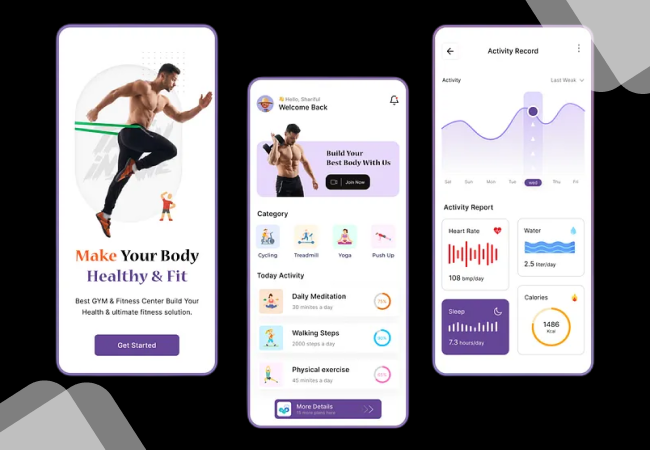
The fitness tech industry is booming. Millions of people now rely on digital fitness tools to stay active and healthy. From simple trackers to free workout apps, the market keeps growing fast.
This makes it the perfect time to build a fitness app. But fitness app development needs more than workouts. You need strategy, design, clever tech, and a smooth development roadmap.
Here’s a simple, step-by-step guide on how to build a fitness app from scratch.
1. Market Research and Competitor Analysis
Every successful App starts with strong market research. You must understand your users’ goals, habits, and challenges.
Study the top fitness apps 2025, including premium tools and free workout apps. Analyze their features, designs, and pricing strategies.
This market research for fitness apps helps you identify gaps and position your App better.
2. Define Core Features
You cannot launch a fitness app without clear features. Start by listing what matters most to users.
Popular fitness app features include:
• Workout libraries
• Goal tracking
• Personalized plans
• Social sharing
Free workout apps usually focus on basic features. Your App should offer something extra—more value, better design, or more innovative personalization.
3. Choose App Type and Platform
Choose the core purpose of your App. It can be a workout app, a nutrition app, a mindfulness app, or a mix of all three.
Next, choose your platform: iOS fitness app development, Android fitness app development, or a cross-platform fitness app. This choice depends on your user base and your development budget.
4. Design UI/UX
UI/UX design is one of the biggest reasons users stay or uninstall your App. People want a simple, motivating, and distraction-free experience.
Your fitness app UI design should be clean. Your fitness app UX design should guide users naturally.
Use smooth navigation, progress bars, and clean visuals. This keeps users engaged just like the best free workout apps do.
5. Develop the Backend and Frontend
After the design is ready, development begins. The backend manages user data, progress history, authentication, and analytics.
Use a robust tech stack, such as Firebase, Node.js, or AWS, for the backend of a fitness app.
For frontend development, choose:
• Flutter fitness app development
• React Native fitness app development
• Swift fitness app development
• Kotlin fitness app development
These tools help you deliver fast and smooth performance.
6. Integrate Third-Party APIs and Devices
Today’s users expect connected experiences. That’s why you must integrate wearables and third-party APIs.
Add Apple Watch and Fitbit fitness app integration. Users love syncing steps, heart rate, and calories.
Also, integrate health, nutrition, and fitness APIs, along with a fitness payment gateway, for a complete experience.
7. Test the App
Testing is a crucial part of the fitness app development process. Run multiple rounds of tests to check speed, usability, and feature performance.
Testing helps you fix bugs early and improves the overall user experience.
8. Launch and Monitor
Now it’s time to launch a fitness app. Publish it on the Play Store and App Store with clean screenshots, strong descriptions, and simple onboarding.
Once the App is live, monitor user behaviour by tracking downloads, retention, and engagement.
Stay ready to push updates or hotfixes when needed.
9. Update and Maintenance
Users expect updates. Regular improvements show that your App is active and trustworthy.
Focus on fitness app updates, bug fixes, speed optimization, and new features.
This keeps your App secure, fast, and reliable.
10. Marketing and Monetization
Marketing determines your App’s growth. Use ASO for fitness apps, social media ads, influencer marketing, and referral programs.
These strategies help you compete with premium apps and free workout apps in the market.
Next, pick a revenue model. You can choose subscription, freemium, or in-app purchase fitness apps.
A strong fitness app monetization plan ensures healthy long-term growth.
How Protocloud Technologies Can Help You Build a Fitness App
The fitness app industry is competitive. Users want simple, fast, and impactful apps. They compare everything—from paid tools to free workout apps.
This is where Protocloud fitness app development makes a difference. As a trusted development company, we build fitness apps that deliver real results.
Whether you want an AI fitness app, advanced personalization, a social workout community, or an IoT fitness app, our team can help you build it.
Our services include:
• Custom fitness app development
• AI-powered fitness personalization
• Wearable and IoT integrations
• Cross-platform fitness app development
We don’t just develop apps. We build scalable, engaging, and future-ready fitness apps designed for long-term success.




Leave a Reply