

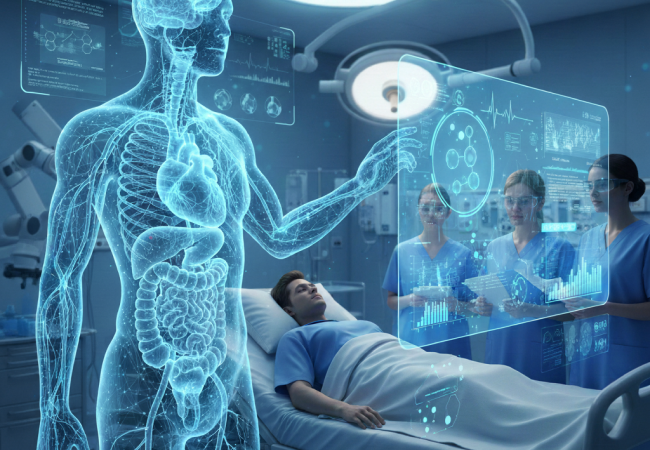
A digital twin is more than a virtual model of a physical object. It acts like the real thing. It reacts, changes, and responds just as the system it represents does. That is why digital twins in healthcare are becoming so important. They help doctors understand patients faster and make smarter decisions with less guesswork.
In simple terms, a medical digital twin blends real-time patient data with dynamic simulations. It works like a living, evolving model. This makes it far more powerful than a 3D model vs digital twin comparison might suggest. A real 3D model only shows shape. A digital twin shows behavior.
Why Healthcare Needs Digital Twins

Healthcare today struggles with healthcare data overload. Doctors deal with tons of files, tests, and reports. In many places, the doctor-to-patient ratio makes this even harder. Digital twin applications help reduce this pressure by organizing data and providing clear insights.
A strong definition of a digital twin includes interaction. The model must show how digital twin components and digital twin interactions work together. This is why physiological and sociological digital twins yield better predictions. They support targeted treatment technologies, predictive healthcare tools, and personalized healthcare models.
Why Do We Need Medical Digital Twins?
Healthcare today is full of data. Doctors must quickly understand:
- Patient records
- Lab results
- Imaging scans
This is even harder in hospitals with too many patients and few doctors.
Medical digital twins make this easier. They:
- Combine all patient data
- Suggest treatment options
- Predict how a disease might progress
In short, they help doctors make better decisions faster.
Key Parts of a Healthcare Digital Twin
A digital twin works well only when all its parts work together. Here’s what it needs:
1. Data Ecosystem
The twin needs good, organized data. Sources include:
- Patient records
- Imaging systems
- Monitors at the bedside
- Lab results
- Environmental sensors
Good data is essential. Without it, the twin cannot give accurate insights.
2. Integration and Interoperability
This layer connects all the data. It:
- Combines data from different systems
- Fixes formatting issues
- Ensures smooth data flow
A good integration layer gives a clear, single view of everything in the hospital.
3. Analytical and Modeling Framework
This is the “brain” of the twin. It uses:
- Statistics to find patterns
- Physics to model real behaviors
- Machine learning to predict outcomes
This framework is essential for patient digital twins, given the complexity of human biology.
4. Real-Time Connectivity
The twin updates constantly. It reacts to:
- New test results
- Workflow changes
- Patient condition changes
This makes the twin a live tool for monitoring, early detection, and planning.
5. User Interface and Decision Layer
Doctors and staff use dashboards and scenario tools. These:
- Turn complex data into simple insights
- Help test outcomes before acting
- Support better decision-making
6. Security and Governance
Digital twins handle sensitive patient data. Hospitals must:
- Protect information
- Control access
- Follow ethical and legal rules
This ensures data is used safely and responsibly.
7. Computing and Infrastructure
Digital twins need strong hardware and software. They rely on:
- Cloud computing
- Edge devices
- Distributed computing systems
This allows the twin to process data quickly, even when it gets huge and complex.
Types of Digital Twins in Healthcare

Digital twins are changing healthcare. They help doctors, hospitals, and researchers better understand patients, predict outcomes, and improve care. Different types of digital twins serve different purposes—from personalized medicine to hospital operations. Each type has a unique role and solves specific problems.
1. Patient or Body System Digital Twins (Autonomous Digital Twins)
Patient digital twins create a virtual version of a person’s health. They use data from:
- Wearables
- Electronic health records
- Imaging tools
These digital twins help doctors plan treatments accurately. They are used in:
- Precision medicine
- Chronic disease management
- Personalized care
The result? Better prevention, earlier diagnosis, and improved long-term care.
2. Surgical Digital Twins
Surgical digital twins help surgeons prepare for operations. Doctors can run simulations before surgery, which is helpful for:
- Robot-assisted surgeries
- Complex procedures
- Minimally invasive operations
These twins reduce risks, improve patient safety, and support surgery planning.
3. System Digital Twins
Systems’ digital twins model entire healthcare systems. They include:
- Networks
- Equipment
- Supply chains
Hospitals use them to predict equipment issues and optimize operations. These models improve efficiency and reduce costly disruptions.
4. Cellular and Molecular Digital Twins
Cellular and molecular digital twins help researchers study diseases at the microscopic level. They support:
- AI-based drug discovery
- Genomics research
Scientists use them to test drug responses and predict cell behavior. This makes drug development faster and safer.
5. Process Digital Twins
Process digital twins improve daily hospital operations. They model:
- Patient flow
- Staff allocation
- Equipment usage
Emergency departments use these models to optimize triage and hospital workflows, reducing wait times and improving care quality.
6. Organ or Unit Digital Twins
Organ digital twins are virtual versions of organs such as the heart, lungs, or kidneys. They are used in:
- Cardiology
- Nephrology
Doctors can test different treatments virtually before using them on patients. This improves surgery accuracy and care planning.
7. Population Health Digital Twins
Population health digital twins look at community-level health data. They help:
- Predict disease outbreaks
- Guide public health planning
During COVID-19, these models helped predict infection patterns and plan resources.
8. Progressive Digital Twins
Progressive digital twins track long-term changes in the body. They show how:
- Age
- Disease
- Treatment
…affects health over time. Researchers use them to study conditions like Alzheimer’s and ALS.
9. Static Digital Twins
Static digital twins rely on fixed data points. They use mathematical models built from patient information.
For example, tools like Philips HeartNavigator provide insights without real-time updates.
How Digital Twins Are Changing Healthcare
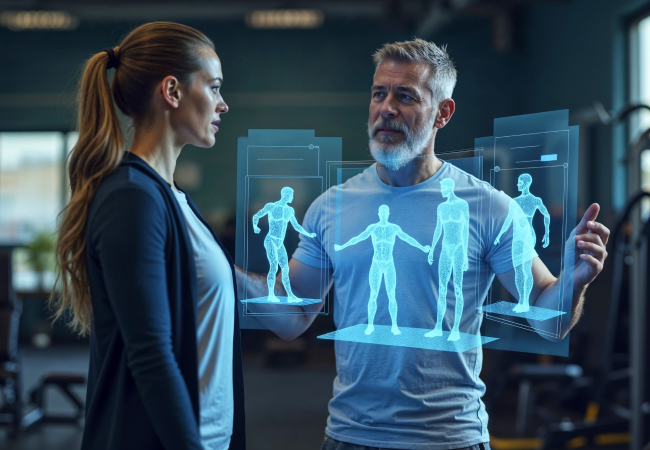
Digital twins are virtual copies of patients, hospitals, or medical processes. They act like a mirror of the real world, helping doctors, researchers, and hospital managers make better decisions.
These digital models are not just fancy 3D pictures. They react and change like the real thing. That means doctors can predict outcomes, plan treatments, and manage hospitals more efficiently.
Let’s look at some essential ways digital twins are used in healthcare.
1. Better Drug Development and Clinical Trials
Creating new medicines can be slow, expensive, and risky. Digital twins help by simulating human bodies virtually.
What this does:
- Test new drugs safely.
- Reduce the need for animal or human trials.
- Predict how patients will react.
- Make trials faster and cheaper.
- Personalize medicine based on genetics.
Digital twins save time and make treatments safer.
2. Remote Patient Monitoring
Some patients live far from hospitals or have trouble moving. Digital twins let doctors monitor them remotely.
Benefits:
- Track health data in real-time.
- Detect problems early.
- Offer preventive care without hospital visits.
This approach keeps patients safe and reduces readmissions.
3. Personalized Medicine
Everyone is different. Digital twins use your health data, lifestyle, and genetics to create a custom treatment plan.
Advantages:
- More accurate treatments.
- Fewer side effects.
- Better quality of life.
With digital twins, doctors can treat patients as individuals, not numbers.
4. Surgery Planning
Surgeons can practice operations virtually using digital twins.
How it helps:
- Predict complications before surgery.
- Plan faster, safer procedures.
- Reduce time in the operating room.
- Improve recovery after surgery.
This makes surgeries safer and more successful.
5. Epidemic and Pandemic Planning
During outbreaks, digital twins help predict how diseases will spread.
They analyze:
- Population size and density
- How people interact
- Hospital resources
Results:
- Better resource planning
- Smarter public health decisions
- Predict where help is needed most
Digital twins help governments and hospitals respond faster to health crises.
6. Prosthetics, Implants, and Medical Devices
Digital twins are also used to design and test medical devices.
Benefits:
- Prosthetics fit better and work well.
- Implants are safer.
- Devices are tested virtually before real use.
This saves time and money and improves patient safety.
7. Hospital Operations
Hospitals are complex. Digital twins help plan daily operations smoothly.
Examples:
- Assign beds efficiently
- Schedule staff better
- Organize operating rooms
- Manage resources to avoid shortages
Hospitals can simulate problems before they happen and act quickly.
Real-World Examples of Digital Twins in Healthcare
Digital twins in healthcare are transforming medical operations and patient care. These healthcare digital twins provide real-time insights, simulate complex scenarios, and optimize healthcare services. Below are some of the top healthcare digital twin examples showing how hospitals and clinics are leveraging this technology.
1. Babylon Digital Twin for e-Medical Records
The Babylon digital twin platform enables individuals to access a comprehensive view of their medical records. It integrates Babylon e-medical records with AI and deep learning digital twin technologies. This system provides crucial information on organ health and predisposing factors. Currently, it covers 20 diseases, with plans to expand to over 80. The patient’s digital twin empowers users to monitor their health and take preventive steps. Using AI-powered insights, it ensures a better digital twin for preventive healthcare and improves overall well-being.
2. Digital Twin for Hospital Ward Management – Mater Hospital, Dublin
Mater Hospital Dublin’s digital twin demonstrates the power of digital twins for hospital operations. The hospital implemented digital twin technology for hospital ward management to optimize daily workflows. Using a 3D digital twin for workflow simulation, staff analyzed patient flow and radiology department efficiency. This initiative reduced patient wait times for CT and MRI scans by 240 minutes. The digital twin for patient wait-time optimization increased MRI capacity by 32% and CT capacity by 26%. Such a digital twin for hospital efficiency ensures smoother operations and enhanced patient experience.
3. Mayo Clinic’s Digital Twin for Precision Cancer Treatment
Mayo Clinic uses digital twins to enable precision cancer treatment by creating patient-specific tumor models. These digital twins for oncology models simulate treatment options for individual patients. By leveraging AI and real-time data, doctors can refine treatment plans and reduce side effects. This digital twin for personalized cancer therapy minimizes trial-and-error in oncology. Digital twins in healthcare help predict tumor responses, enhancing treatment effectiveness and improving survival rates. The approach highlights the power of digital twin healthcare technology in modern medicine.
Advantages of Digital Twin Technology in Healthcare
Digital twin technology is rapidly changing healthcare. It creates virtual copies of the human body, medical devices, and hospital systems. These digital models allow doctors and hospitals to simulate real-world conditions safely. Here are the main benefits of digital twins in healthcare.
1. Better Patient Care
Patient digital twins allow doctors to test treatments virtually before administering them to real patients.
Benefits include:
- Safer procedures with fewer errors
- Optimized treatment plans
- Improved recovery rates
- Personalized care for each patient
By predicting risks and outcomes, doctors can make more confident decisions and improve patient safety.
2. Predictive Maintenance of Medical Equipment
Digital twins can continuously monitor medical devices.
How it helps:
- Predict equipment failures before they happen
- Reduce downtime
- Avoid interruptions during critical procedures
- Plan maintenance proactively
This ensures reliable equipment and safer patient care.
3. Faster Research and Development
Digital twins act like virtual labs for scientists.
Applications include:
- Studying complex diseases
- Analyzing genetic disorders
- Testing new drugs safely
- Simulating disease progression and treatment outcomes
This approach speeds up research and helps develop treatments for rare or complex conditions.
4. Optimizing Hospital Systems
Hospitals can use digital twins to improve daily operations.
Examples:
- Streamlining patient flow
- Efficient staff scheduling
- Better resource allocation
- Reducing wait times
By simulating hospital workflows, managers can increase efficiency and patient satisfaction.
5. Immersive Training and Medical Education
Digital twins help train doctors and medical students without risks to real patients.
Benefits:
- Virtual surgery practice
- Anatomy learning
- Reducing errors in real procedures
- Boosting confidence and skills
Students and professionals can learn faster and more safely.
6. Advancing Medical Research & Drug Discovery
Digital twins accelerate medical discoveries by simulating diseases and treatments.
Advantages:
- Faster drug testing
- Safer experiments
- Modeling disease progression
This helps researchers find new therapies efficiently and safely.
7. Early Disease Detection and Prevention
Digital twins use predictive analytics to detect health risks before symptoms appear.
How it helps:
- Identify potential diseases early
- Enable preventive care
- Reduce complications from chronic conditions
Doctors can act proactively, keeping patients healthier for longer.
How Digital Twins Are Created in Healthcare
Digital twins in healthcare are virtual copies of real things—from patients to hospital systems. They help doctors and hospitals make better decisions, improve safety, and predict outcomes. Here’s how a digital twin is made in healthcare.
Step 1: Define the Scope
First, decide what the twin will represent.
- A single patient
- A workflow in a clinic
- A whole hospital department
Why it matters:
- Sets clear goals and limits
- Determines the level of detail needed
- Helps make sure the twin will be useful
Step 2: Collect and Prepare Data
Next, gather all the information needed to build the twin. This includes:
- Patient records (EHRs)
- Lab tests and imaging results
- Data from monitors and medical devices
- Hospital workflow and operational info
Important tips:
- Check data for accuracy
- Standardize it so all sources match
- Use past data for trends and real-time data for current conditions
Good data is the foundation of a reliable digital twin.
Step 3: Build the Model
Choose how to create the twin:
- Statistical models – use numbers and probabilities
- Physics-based models – mimic real-world behavior
- AI-driven models – learn patterns from data
Run tests to find gaps, then fix them. The final twin should interact with live data and be ready for real-world use.
Step 4: Add Real-Time Updates
Digital twins need continuous updates from devices and hospital systems. This lets them show:
- Changes in a patient’s health
- Adjustments in workflows
- Environmental changes
This makes the twin active, not just a static model. Doctors can use it daily to make smarter decisions.
Step 5: Validate and Improve
Compare what the twin predicts with what actually happens.
- Fix any differences
- Keep testing until the results are accurate
- Monitor continuously to stay reliable
A validated twin is trustworthy for doctors and hospital staff.
The Future of Digital Twins in Healthcare
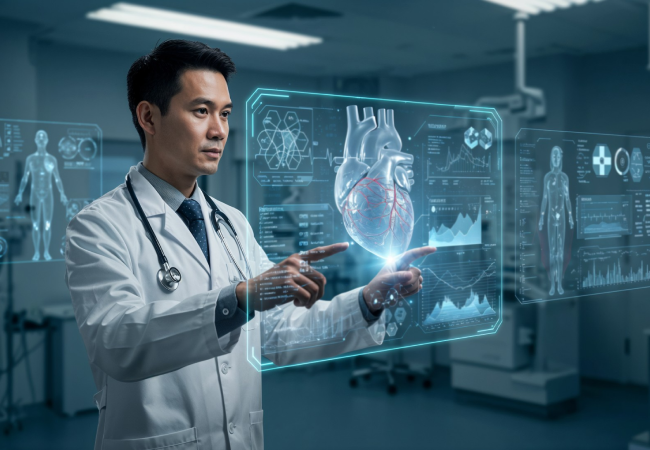
Digital twins are changing healthcare. New technology will make them more innovative and more interactive.
AI-Powered Surgical Twins
- Surgeons can practice operations virtually
- Feel tissue resistance with haptic feedback
- Improve precision and safety
Pandemic and Public Health Planning
- Predict disease outbreaks
- Plan vaccine distribution and resources
- Support better public health decisions
Virtual Clinics in the Metaverse
- Doctors and patients meet in 3D virtual spaces
- Conduct remote check-ups and diagnostics
- Simulate surgeries and procedures
Maternal and Neonatal Care
- Track mother and baby health
- Detect problems early
- Enable personalized prenatal care
Mental Health Twins
- Track emotions and brain signals
- Suggest therapy plans
- Monitor progress continuously
Genomic Twins
- Combine genetic data with health records
- Predict disease risks and reactions to medications
- Help with preventive healthcare and personalized treatment





Leave a Reply