


Creatine is among the most popular supplements globally. It’s a natural compound found inside your muscles and other cells. Your body uses it to produce quick energy, especially during short and intense activities.
Many people take creatine supplements because research shows impressive results. Studies highlight substantial creatine benefits, including more strength, better endurance, faster recovery, and even support for brain health. And if you’ve ever wondered what the best creatine is for these benefits, you’ll see the answer throughout this guide.
Among all types of creatine, creatine monohydrate stands out. It is the most researched, most trusted, and most affordable option. Other forms exist, but they don’t have the same scientific backing.
If you’ve ever wondered “what is creatine?” or “how does creatine work?” Or if you’re trying to find out what the best creatine for muscle growth is, here’s the clear and easy answer you need.
How Does Creatine Work?
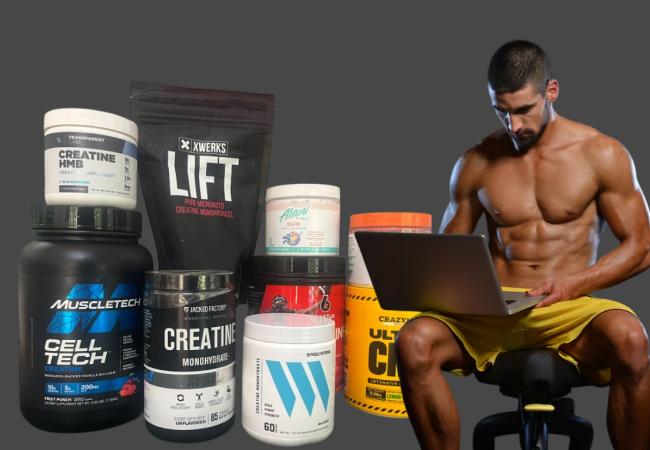
Your body stores creatine mainly in your muscles, but also in small amounts in your brain, liver, kidneys, and testes. When you exercise, your muscles convert creatine into phosphocreatine, a molecule that helps produce quick energy.
This energy powers short, explosive movements like sprinting, lifting, or jumping. That’s why creatine is a favourite among athletes and anyone looking to improve strength, power, or muscle growth.
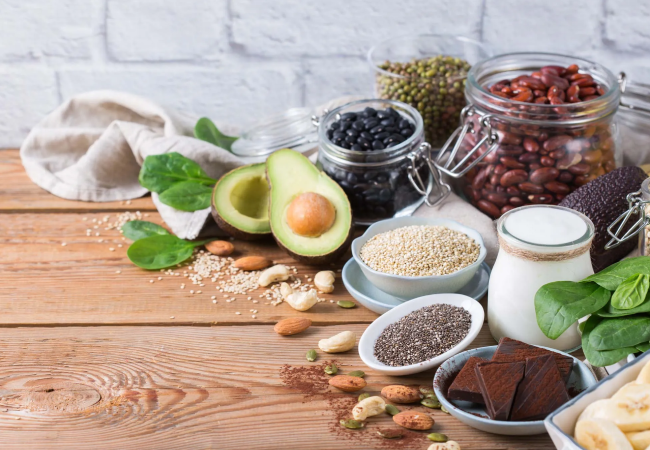
Your body naturally makes a small amount of creatine on its own. You also get some from foods like:
- red meat
- poultry
- fish
- milk
But most people don’t get enough creatine from diet alone. That’s why creatine supplementation helps. It boosts your creatine stores and supports better sports performance, muscle recovery, and workout performance.
Creatine also supports the brain. Research suggests it may help with focus, cognitive function, and mental performance, making it useful beyond training. Again, people who ask, “What is the best creatine for both body and brain?” usually end up choosing monohydrate.
Why Creatine Monohydrate Leads the Market

Creatine monohydrate is the most widely studied form of the supplement. Almost everything we know about creatine’s effectiveness, absorption, and safety comes from research using this form.
Studies show substantial creatine monohydrate benefits, including:
- improved muscle strength and power
- better endurance
- quicker recovery
- lower injury risk
- support for brain and spinal health
- support for healthy ageing
It contains one creatine molecule and one water molecule. Some companies remove water to create anhydrous creatine, which is about 100% creatine by weight. Others process it into micronised creatine to improve mixability. Both versions work the same when the dosage matches.
Most people tolerate creatine monohydrate well. A few may experience mild creatine side effects, such as bloating or stomach discomfort, but these are uncommon and usually temporary.
Because it is practical, affordable, and safe, creatine monohydrate remains the gold standard. Anyone searching for what is the best creatine ends up here — for good reason.
Any new form must be tested against it before being recommended.
6 Types of Creatine Explained
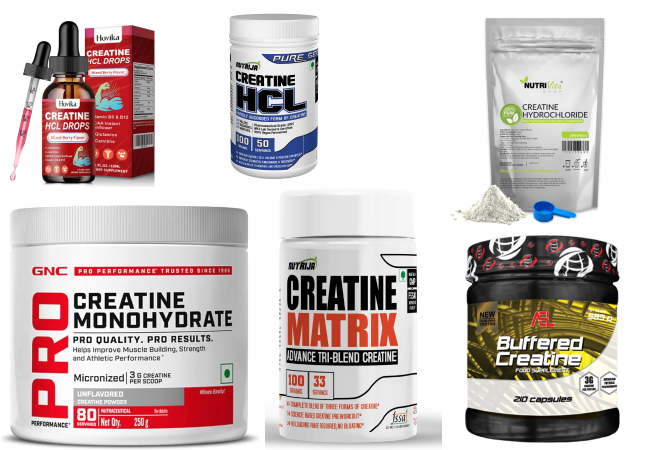
Creatine comes in many forms, and each one claims to be better than the last. But the truth is simple: most of the science still supports creatine monohydrate. Still, it helps to know how each type works.
Let’s break them down cleanly and efficiently.
1. Creatine Monohydrate
Creatine monohydrate is the king. It’s the most researched and most trusted type. Nearly all studies on the benefits of creatine, muscle growth, and strength use this form.
Researchers link this type to:
- better muscle strength, power, and endurance
- improved muscle recovery
- lower injury risk
- better brain and spinal health
- support for healthy ageing
Monohydrate comes in a few versions:
- Creatine anhydrous → water removed, 100% creatine
- Micronised creatine → smaller particles for better mixing
Even though the processing changes, creatine’s effectiveness remains the same at equal doses.
It is affordable, safe, and proven. That’s why experts recommend monohydrate as the best answer when someone asks, “What is the best creatine?”
2. Creatine Ethyl Ester (CEE)
Many supplement companies promote creatine ethyl ester (CEE) as a “faster-absorbing” alternative. A 2013 study suggested that CEE may be better absorbed.
But actual performance research tells a different story. Studies show:
- CEE is not better than creatine monohydrate
- It may perform no better than a placebo
- It does not offer unique benefits for strength, endurance, or brain health
So when comparing creatine vs creatine monohydrate, or when deciding what the best creatine monohydrate is, it wins again.
3. Creatine Hydrochloride (Creatine HCl)
Creatine hydrochloride (HCl) became popular due to claims of superior solubility. Some users believe they can take a smaller dose and avoid common creatine side effects like bloating.
But research doesn’t support these claims.
A 2024 study comparing creatine HCl and creatine monohydrate found:
- Both improve muscle strength
- Both help hormone balance
- Both improve body composition
- Neither is superior
Until more research is available, monohydrate remains the scientifically backed choice — especially for anyone asking what the best creatine is for real results.
4. Buffered Creatine
Buffered creatine mixes creatine with alkaline powders. The idea is to protect creatine from stomach acid and reduce side effects.
But research doesn’t show meaningful differences.
A 2012 study reported:
- Buffered creatine was not more effective
- The side effects were the same as monohydrate
- Both groups saw strength and power increases
Buffered creatine isn’t worse. It’s just not better, and usually more expensive.
5. Liquid Creatine
Some companies sell liquid creatine in ready-to-drink bottles. While it sounds convenient, research shows a problem:
Creatine breaks down when it sits in liquid for too long.
Studies found:
- Powder improved cycling performance by 10%
- liquid versions offered no performance benefits
- Liquid creatine did not improve running performance either
You can mix creatine with water right before drinking, but avoid pre-mixed liquid products.
6. Creatine Magnesium Chelate (CMC)
Creatine magnesium chelate (CMC) attaches magnesium to creatine. In theory, this helps with
- better creatine absorption
- Reduced breakdown into creatinine
But research doesn’t yet support these claims. A 2022 review found
- no better performance than monohydrate
- no improved safety
- no unique benefits
Like many “new” forms, CMC needs more research before becoming a recommended option.
How to Choose the Best Type of Creatine
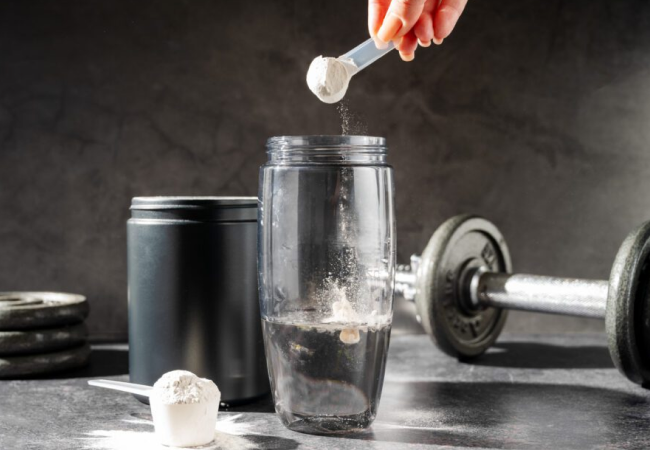
Buying creatine can feel overwhelming. There are too many options, too many claims, and too many flashy labels. But once you understand what really matters, choosing the right creatine supplement becomes simple.
Here are the key things to look for — especially when deciding which creatine is best for your goals.
1. Check the Ingredients
Always read the label.
A good creatine product should include only:
- Creatine monohydrate (or one specific type of creatine)
- No unnecessary fillers
- No sugar-loaded blends
- No mystery “proprietary formulas”
Simple is better. Pure is better. This helps you get the real creatine benefits without surprises.
2. Look for Certified Supplements
The FDA does not regulate supplements, so third-party testing matters.
Choose products certified by:
- NSF Certified for Sport
- ConsumerLab
- U.S. Pharmacopoeia (USP)
These certifications help ensure:
- safety
- purity
- correct dosage
- No banned substances
If you’re an athlete, these certifications are essential. They protect you from contaminated products and give you confidence when choosing the best creatine for safe use.
3. Compare the Cost Per Serving
Many new types of creatine are more expensive but don’t deliver better results.
For example:
- Creatine HCl is usually expensive
- Buffered creatine costs more with no extra benefit
- Liquid creatine has poor research support
- Magnesium chelate costs more and lacks proven results
Meanwhile, creatine monohydrate is:
- affordable
- widely available
- backed by decades of research
- proven effective for muscle growth and performance
Always calculate the cost per serving, not just the bottle price.
4. Avoid Overhyped Claims
Some creatine labels make big promises about:
- superior absorption
- zero bloating
- instant strength
- faster cycling
- “new technology versions”
Most of these claims don’t match scientific research. If a brand says its creatine works better than monohydrate, check if there’s real evidence.
In most cases, there isn’t.
5. Choose the Form That Fits Your Routine
You can pick between:
- powder (most popular and effective)
- capsules (easy but more expensive)
- chewable tablets (convenient, less common)
Avoid pre-mixed liquid creatine because it breaks down quickly.
For easy mixing, choose micronised creatine.
If you want maximum creatine per gram, try creatine anhydrous.
But for most people, pure creatine monohydrate powder is the wise choice, which is why it’s the top answer to the question of what the best creatine is.
Conclusion
Based on decades of creatine research, one form continues to stand out. Creatine monohydrate is the recommended, most effective, and most affordable type of creatine.
It delivers:
- better energy during workouts
- improved muscle strength
- faster recovery
- more muscle growth
- enhanced endurance
- potential brain health benefits
- support for healthy ageing
Most other forms have minimal research. They may look exciting, but they don’t outperform monohydrate in real-world results.
So if you’re wondering what the best creatine is, the answer is clear:



Leave a Reply