

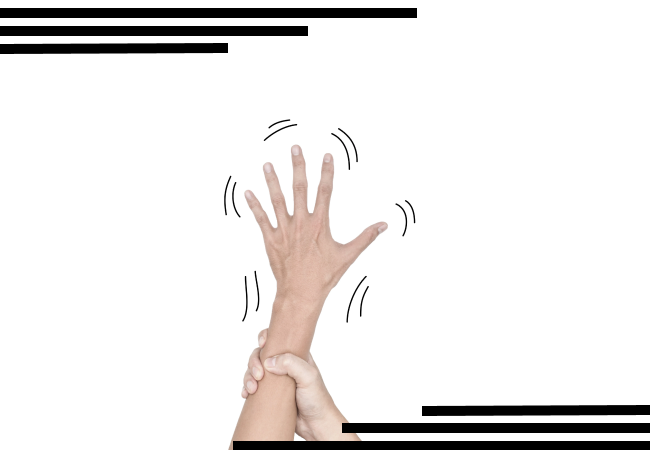
Ever noticed your hands trembling while holding a cup or writing something? That’s known as shaking hands or hand tremors. These can happen to anyone and may result from various factors — including medical conditions or everyday habits.
Understanding what type of tremor you have is key to getting an accurate tremor diagnosis and the right hand tremor treatment. Let’s break down the main tremor types and what each one means.
Types of Shaky Hands
-
Essential Tremor
Essential tremor is the most common reason for shaky hands. It usually shows up when your hands are in motion — like holding a spoon or typing — and stops when they’re resting.
The exact cause isn’t clear, but it often runs in families, making it a genetic tremor.
If your tremor is mild, you might not need treatment. But if it affects your daily life, doctors may suggest tremor medication, occupational therapy for tremor, or surgery to control the movement.
-
Parkinson’s Disease
In Parkinson’s disease, the brain cells that control movement become damaged. This leads to hand tremors that often start on one side and later spread to the other.
You may also notice slow movements, stiffness, and balance problems.
Treatment usually includes tremor therapy, medications, and sometimes surgery to help manage shaking hands.
-
Multiple Sclerosis (MS)
Multiple sclerosis (MS) damages the protective coating around your nerves, known as myelin. When this happens, signals between your brain and body get mixed, causing hand tremors and muscle weakness.
Treatment includes medication and therapy. Physical or occupational therapy helps improve balance and coordination while reducing shaky hands.
-
Overactive Thyroid (Hyperthyroidism)
An overactive thyroid, or hyperthyroidism, speeds up your body’s processes. When your thyroid gland works too fast, your heart races, and your hands may shake.
Other symptoms include weight loss, light sensitivity, and trouble sleeping.
A simple blood test can diagnose it, and treatment may involve medication, diet changes, or other medical procedures to restore balance.
-
Too Much Caffeine
Too many cups of coffee? You might experience a caffeine tremor. Caffeine acts as a natural stimulant that boosts alertness, though it can sometimes cause hand tremors.
Caffeine is also present in products like chocolate, soft drinks, and certain pain relief medications. Try cutting down slowly to reduce hand tremors and stay hydrated.
-
Alcohol Withdrawal
People who quit drinking after long-term use may notice shaking hands within hours of their last drink. This is a common sign of alcohol withdrawal.
It usually starts within 10 hours and can last several days or weeks. Doctors often use medication and supervised detox programs to help control hand tremors during recovery.
-
Lack of Sleep
When you don’t get enough sleep, your brain struggles to send clear signals to your muscles. This can lead to shaky hands and poor coordination.
The solution is simple — rest more. A few nights of quality sleep can bring your hand tremors back under control.
-
Low Blood Sugar (Hypoglycemia)
Your nerves and muscles need sugar to work properly. When blood sugar levels drop, your hands may start to shake.
Low blood sugar, or hypoglycemia, is common in people with diabetes or those who skip meals, drink too much alcohol, or take certain medications.
Eating balanced meals and keeping your sugar levels steady can help stop shaking hands.
-
Stress and Anxiety Tremor
When you’re nervous or stressed, your body releases adrenaline. This causes shaky hands, a fast heartbeat, and tension in your muscles.
This stress tremor or anxiety tremor usually fades once you calm down.
To manage it, try deep breathing, meditation, or yoga. Staying relaxed helps prevent future hand tremors.
-
Certain Medications
Some prescription drugs can cause shaking hands as a side effect. These include medicines for mood disorders, migraines, asthma, and nerve pain.
Even some antihistamines can trigger hand tremors.
If you notice shaky hands after starting a new medication, talk to your doctor. They may adjust your dosage or switch to another drug.
-
Smoking and Nicotine Tremor
Many people smoke to relax, but nicotine actually stimulates their nervous system. As a consequence, some individuals may experience shaking caused by nicotine use.
Nicotine speeds up your heart rate and increases anxiety, which worsens hand tremors.
Quitting smoking is the best fix. Ask your doctor about nicotine replacement or counseling to make quitting easier.
-
Lack of Vitamin B12
Vitamin B12 keeps your nervous system healthy. When you don’t get enough, you may experience shaky hands, tingling, or numbness in your limbs.
A B12 deficiency often affects people who don’t eat meat, eggs, or dairy. Certain medications can also reduce your B12 levels.
Your doctor can confirm it with a blood test. Taking B12 supplements or eating B12-rich foods can help reduce hand tremors.
-
Pheochromocytoma
A pheochromocytoma is a rare adrenal gland tumour that causes your body to release too many stress hormones. This raises your blood pressure and triggers hand tremors.
Other symptoms include sweating, headaches, and shortness of breath.
The best treatment is surgery to remove the tumour before it causes more serious issues like heart disease or stroke.
-
Liver Disorders (Wilson’s Disease)
Some liver disorders, like Wilson’s disease, can cause hand tremors. This happens when copper builds up in the liver and brain, damaging both organs.
You might also notice fatigue, yellow eyes, or yellow skin (jaundice).Doctors treat Wilson’s disease with medications and diet changes that help remove excess copper.
-
Brain Disorders
A stroke, tremor, or traumatic brain injury can also cause shaking hands. Damage to the brain can disrupt the way it communicates with your muscles.
Treatment focuses on tremor therapy, medication, and occupational therapy for tremor to improve muscle control. Avoid caffeine and nicotine to prevent worsening the symptoms.
Is It Normal to Have Shaky Hands?
Yes, it’s normal to have shaky hands sometimes. Many people experience mild hand tremors when they’re tired, anxious, or haven’t slept well. These small shakes are usually harmless and temporary.
However, severe or persistent hand tremors that make daily tasks difficult shouldn’t be ignored. If your hands keep shaking without an apparent reason, it’s best to talk to a doctor. They can help identify the causes of hand tremors and suggest the proper tremor treatment.
How to Stop Hands from Shaking

Here are some practical ways to reduce hand tremors and improve hand steadiness.
-
Lifestyle Changes for Tremors
Simple lifestyle changes can help calm physiological tremor or enhance physiologic tremor:
- Avoid vigorous exercise that strains muscles.
- Avoid alcohol and limit caffeine to prevent alcohol withdrawal or caffeine tremor.
- Stay away from stimulants like amphetamines.
-
Treat Underlying Conditions
Sometimes, hand tremors happen due to medical issues like hyperthyroidism, tremor or alcohol withdrawal. Treating these conditions often improves symptoms.
-
Use Psychological Techniques
If stress tremor or anxiety tremor is the cause, try relaxation techniques like mindfulness or breathing exercises. These lower stress and improve anxiety management naturally.
-
Check Medications
Some drugs can trigger tremor side effects. Talk to your doctor about switching medications or adjusting the dosage.
-
Try Physical or Occupational Therapy
Physical therapy for tremor can boost muscle control, coordination, and balance.
Meanwhile, occupational therapy for tremor helps you adapt and perform daily activities confidently.
With the proper tremor management, you can control shaking, improve nervous system control, and achieve lasting tremor prevention.
When to See a Doctor for Shaking Hands

If you suddenly notice your hands shaking or experience hand tremors in other parts of your body, it’s time to see a doctor for tremors. Sudden or unexplained shaking of the hands could point to a serious cause that needs quick medical attention.
A doctor can perform a proper hand tremors diagnosis to rule out major issues that may require medical treatment for tremors. You should also seek help if your shaking hands get worse or start interfering with daily life. Early diagnosis helps with tremor management and prevents long-term complications.
How to Stop Hands from Shaking

Most types of hand tremors are incurable, but there are effective tremor treatment options to stop hands from shaking and improve daily function.
-
Medications for Tremors
Doctors may prescribe medications for tremors to lower their frequency and intensity. Common options include:
- Beta-blockers for tremors, such as propranolol, are used.
- Anxiety medications for tremors to reduce stress tremor or anxiety tremor
- Anti-seizure medications for tremors, such as primidone.
People with Parkinson’s disease tremor or multiple sclerosis tremor may get specific PD tremor treatment or MS tremor treatment.
If no clear cause is found, doctors sometimes use tranquillisers for tremors to calm involuntary muscle movements and ease symptoms.
-
Botox for Tremors
Botox for tremors can be helpful for voice tremors and head tremors. It works by causing temporary muscle relaxation.
However, Botox injections for hand tremors can sometimes cause hand weakness or mild Botox side effects. Always consult your doctor before considering this option.
-
Surgery for Tremors
When medications don’t work for severe hand tremors, surgery for tremors may be necessary.
In deep-brain stimulation for tremors (DBS), a small generator is placed under the skin in the upper chest. It sends electrical impulses to the thalamus, the brain area that controls involuntary movements.
Another option, radiofrequency ablation for tremors, uses heat to block nerve signals and can provide relief for months.
Summary
It’s normal to have mild shaking hands from stress, anxiety, caffeine, or lack of sleep. But if your hand tremors are severe or persistent, you should see a doctor for shaky hands right away.
Sometimes, underlying medical conditions or medication side effects can trigger tremors. With proper tremor therapy, neurological tremor treatment, and consistent tremor control methods, you can manage shaking hands, improve hand steadiness, and enjoy a better quality of life.






Leave a Reply