


ast week, your favorite jeans fit perfectly. This week, they suddenly feel tight in all the wrong places. You step on the scale and notice a jump in numbers overnight. It’s easy to panic and think, “Why does my weight fluctuate so much?” But most of the time, it’s just your body doing what’s normal. As Leslie Heinberg, PhD, says, “The scale is a horrible barometer of behavior change.” You can exercise, eat clean, and do everything right. Yet you might still see sudden weight gain the next morning. And yes, that can be frustrating.
But these daily weight changes are usually part of your body’s natural weight management process.
Is Weight Fluctuation Normal?
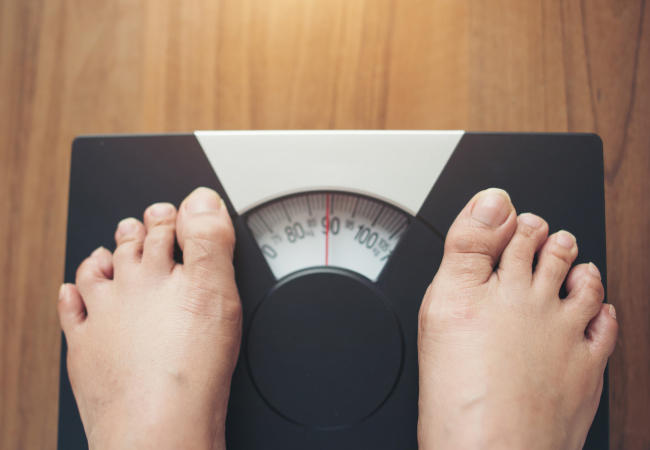
Yes. Weight fluctuation is normal for everyone.
Your weight can go up or down by a few pounds every day. These quick shifts often come from fluid retention, water weight gain, and changes in sodium or hydration. Longer-term fluctuations may occur with new workouts, changes in stress levels, or differences in sleep.
The scale only shows a moment in time. It cannot reveal the entire story behind your daily weight gain reasons.
How Much Can Weight Fluctuate?

Most people experience a 5-pound weight fluctuation in a single day. That means 2 to 3 pounds in either direction is perfectly normal. If you aren’t used to these body weight ups and downs, it might feel alarming.
But it’s totally expected.
Your weight swings per day often depend on:
- What you ate
- Your hydration level
- Salt intake
- Workouts
- Stress
- Digestion
All of these affect why weight increases overnight and why you might feel like you gained weight without reason.
What Causes Your Weight to Fluctuate Day to Day

Weight fluctuation can feel confusing. One day, your clothes fit perfectly. Next, they feel tight. The scale may show sudden, seemingly random weight gain. You might ask yourself, Why does my weight fluctuate so much? Most of the time, this is just normal weight fluctuation.
Dr. Heinberg explains that hormones, fluid retention, weight gain, or constipation can cause fluctuations in weight. These factors often affect scale weight variation and fluctuations in body weight.
Food and Water Intake
Diet-induced changes strongly influence your weight. Calories in versus calories out determine daily weight changes. Eating a balanced diet that matches your energy needs can reduce the main reasons for daily weight gain.
However, eating and drinking in moderation daily can be challenging. If your diet slips, you may notice weight gain overnight and more fluctuating weight daily.
Sodium and Carbs
High-salt and high-carb foods contribute to water weight gain. Your body retains fluid, leading to temporary weight gain.
Tips to minimize sodium and water retention:
- Cut processed foods and sugary drinks
- Add potassium- and magnesium-rich foods to balance sodium
These habits help maintain normal body weight variation and improve weight-monitoring practices.
All Food and Drinks Add Weight

Every food and beverage has weight. Even an 8-ounce glass of water can add to your daily weight swings. Salads and vegetables do too.
Healthy foods and water are quickly absorbed, so a balanced diet reduces factors that cause weight fluctuations. Foods high in carbs, sodium, or fat take longer to process, and the weight of urine and stool contributes to temporary changes.
Other Daily Influences
Besides diet, other factors impact weight scale accuracy and the reasons for weight fluctuation:
Exercise
Burning calories through exercise affects weight changes. Adequate hydration can mask immediate weight loss. Water replaces sweat but adds no calories. Muscle weight gain may occur when you start a new workout routine. Exercise reduces day-to-day weight gain when calories burned exceed intake.
Medication
Some drugs cause weight gain, fluid retention, or increased appetite:
- Insulin
- Thiazolidinediones
- Beta-adrenergic blockers
- Tricyclic antidepressants
- SSRIs
- Lithium
Consult your doctor if medication affects your weight. Adjustments may help control factors that cause weight fluctuations.
Menstrual Cycle
Your period may cause weight gain. Base weight usually returns to normal within days.
Alcohol Intake
Alcohol slows digestion and contributes to alcohol weight gain. Extra calories and delayed elimination amplify daily weight swings.
Illness
Illness can lead to disease and weight changes. Conditions like underactive thyroid, Cushing syndrome, or PCOS cause unexpected weight gain. Diabetes or Crohn’s disease may cause weight loss without reason. See a doctor for unusual symptoms.
Short-Term Bodily Effects
Other minor factors affecting weight fluctuation include:
- Hormones causing weight gain
- Carbs lead to carbohydrate water retention
- Daily hydration affects water weight gain
These are usually harmless, but they explain why my weight fluctuates so much for most people. Understanding them improves the weight management process and awareness of the healthy weight fluctuation range.
Tracking and Understanding Fluctuations
Focus on trends, not single readings. Daily weight fluctuations are normal. Even a 5-pound weight fluctuation fits in normal body weight variation.
Weight monitoring tips:
- Weigh at the same time each day
- Track weekly patterns
- Note diet, hydration, exercise, and sleep
This approach clarifies the causes of weight fluctuation and reduces stress over why weight increases overnight.
When to Weigh Yourself for the Most Accurate Results

Knowing when to weigh yourself can make your weight-tracking journey easier. Your weight fluctuates throughout the day, so consistency matters. The best time to weigh yourself is right after you wake up and weigh after using the bathroom. This gives you your lowest and most stable number.
You can choose another time of day, but you must weigh yourself on the same scale each time. Consistency builds accuracy.
Understanding Your Daily Weight Fluctuation
Many people wonder, “Why does my weight fluctuate so much?” The answer is simple. Your body weight fluctuates throughout the day due to food, water, activity, and digestion. These daily weight changes are regular.
Daily weight monitoring will not show fat loss or gain right away, but it will help assess weight fluctuations.
To understand your pattern, weigh yourself in the morning, midday, and evening. This helps you measure weight fluctuation and recognize your natural rhythm.
If You Want to Drop 2 to 3 Pounds
Slight weight loss happens with minor changes. Start by weighing at the same time each day. Keep your shoes off, maintain the same conditions, and focus on accurate weight measurement.
To track weight loss, burn more calories than you eat. Cutting snacks or reducing portion size can help you measure weight loss within a week or two. These little shifts often create powerful results.
If You Want to Lose More Than 3 Pounds
Use your base weight measurement to measure long-term progress. A healthy rate is one to two pounds per week. For healthy weight loss, burn more energy, eat fewer calories, or use both strategies.
Your weight loss tracking becomes easier when you compare each day to your base weight. This gives a clear picture of your progress and helps you track weight loss more effectively.
How to Weigh Yourself the Right Way

Consistency is the secret behind accurate weight measurement. Here’s how to improve your weight monitoring routine.
Use a Reliable Scale
Pick one scale you trust. Then stick to it. Using a scale for weight should feel simple. Place it on a flat surface scale to avoid incorrect readings. This boosts weight scale accuracy instantly.
Weigh at the Same Time
Track your weight at the same time each day. Most people prefer morning weight measurement right after using the bathroom. This habit helps you measure base weight correctly.
Try With or Without Clothes
Clothing affects numbers. The clothes weight effect, or clothing weight impact, can shift the reading. Weigh yourself without clothes or keep the same type of clothing each time.
Add Other Measurements Too
The scale only tells part of the story. Pair your weight with body measurement tracking. Notice how your clothes fit. Track waist measurement, arm measurement, or other areas. These reveal absolute body composition measurement and body changes.
Track fitness level, resting heart rate measurement, aerobic activity tracking, strength assessment, and flexibility assessment. These better reflect your overall health and fitness progress than a single number.
The Bottom Line
Weight fluctuation is entirely normal. Your body weight can shift due to what you eat, how much water you retain, or how active you are. These daily weight changes happen to everyone and are part of normal body function.
If you notice sudden weight gain and you’re not sure why, talk to a healthcare provider. This helps rule out any severe weight fluctuation signs or hidden health issues. But most body weight fluctuations come from simple changes in diet, activity, or water retention.
Tracking your numbers helps. Writing it down makes it easier to spot long-term weight trends. If your scale weight variation stays higher for days or weeks, you can adjust sooner. It also helps answer the common question, “Why does my weight fluctuate so much?”
Small shifts are regular. What matters is the trend over time and consistent weight monitoring tips that keep you on track.






Leave a Reply