

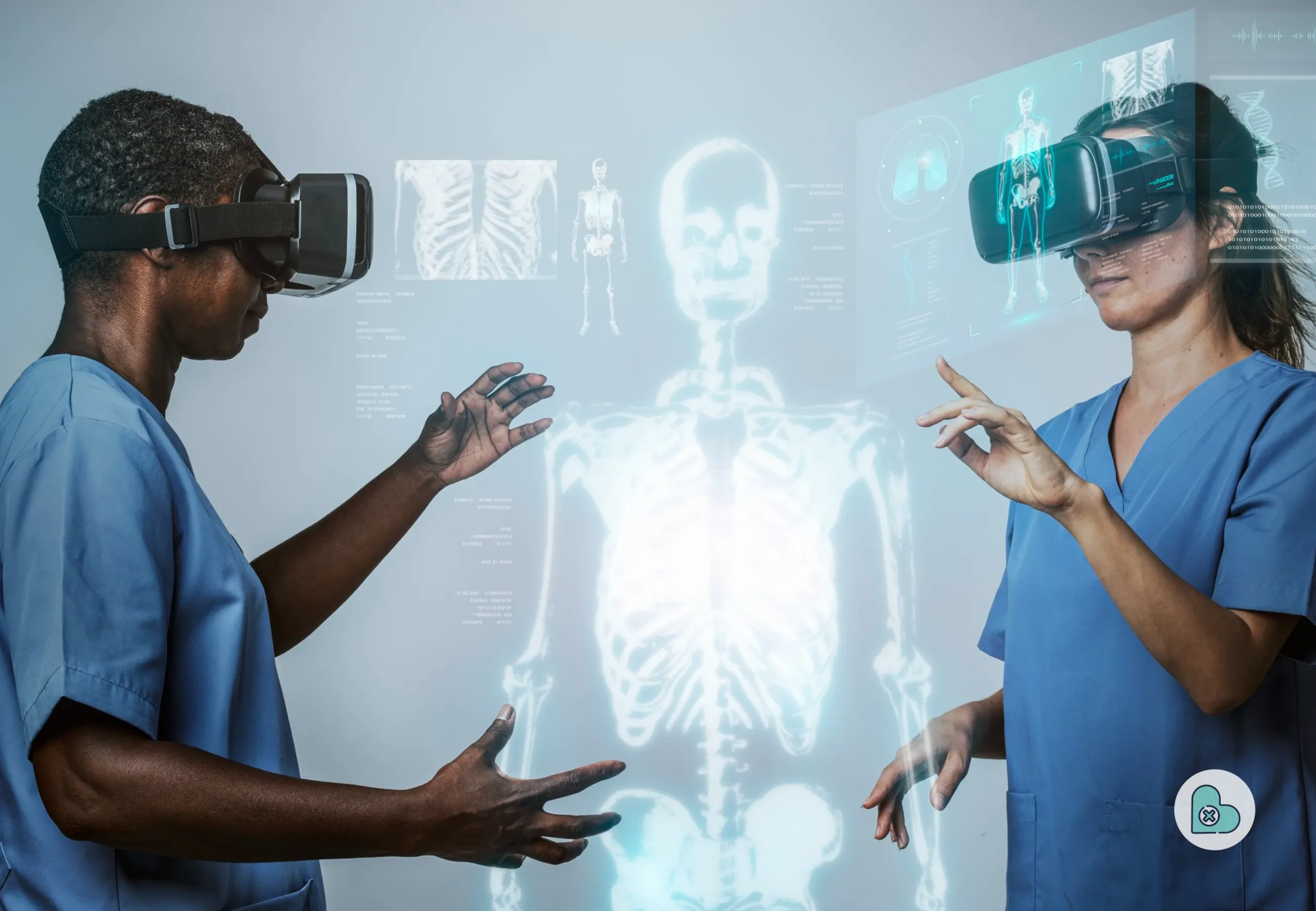
Artificial Intelligence (AI) isn’t just a buzzword anymore. In 2026, it is a survival tool for doctors and hospitals. Today, AI trends in healthcare 2026 show us that “smart medicine” is the new standard. Systems now work more quickly and deliver better accuracy than before. This shift is helping healthcare providers save more lives while cutting costs.
Simply put, AI in healthcare has moved from the lab to the clinic. We see it in early disease detection and automated hospital workflows. Recent reports show that healthcare AI trends are growing at double-digit rates. Hospitals now rely on these systems for both clinical tasks and paperwork. It makes the entire system more innovative and more data-driven.
What Exactly Is Artificial Intelligence in Healthcare?
_ DC Studio _ freepik
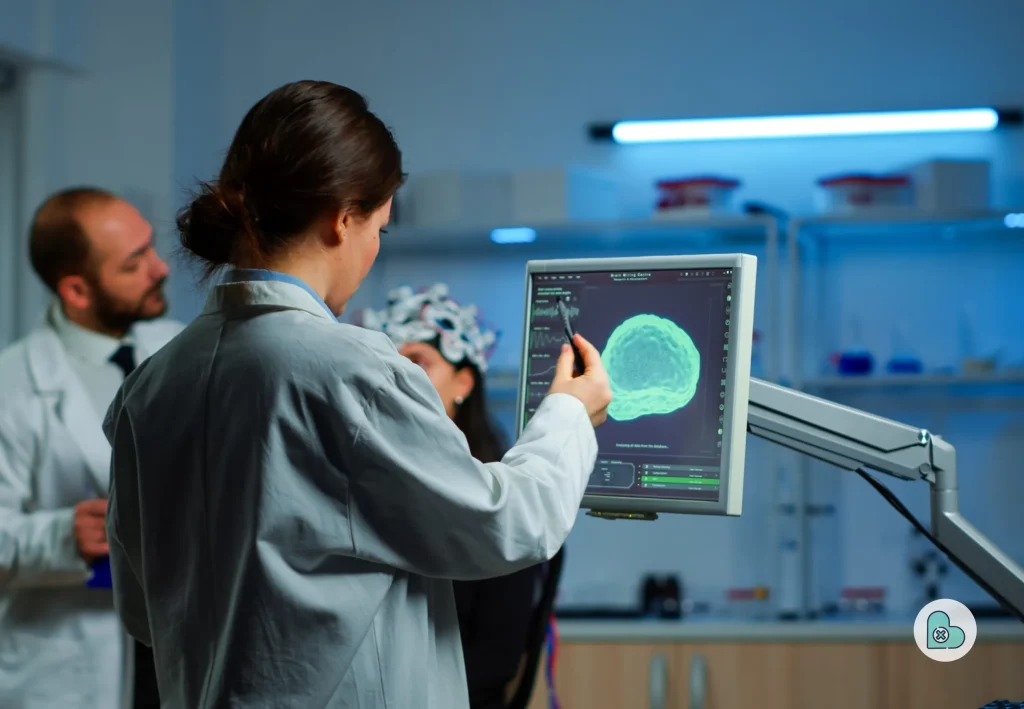
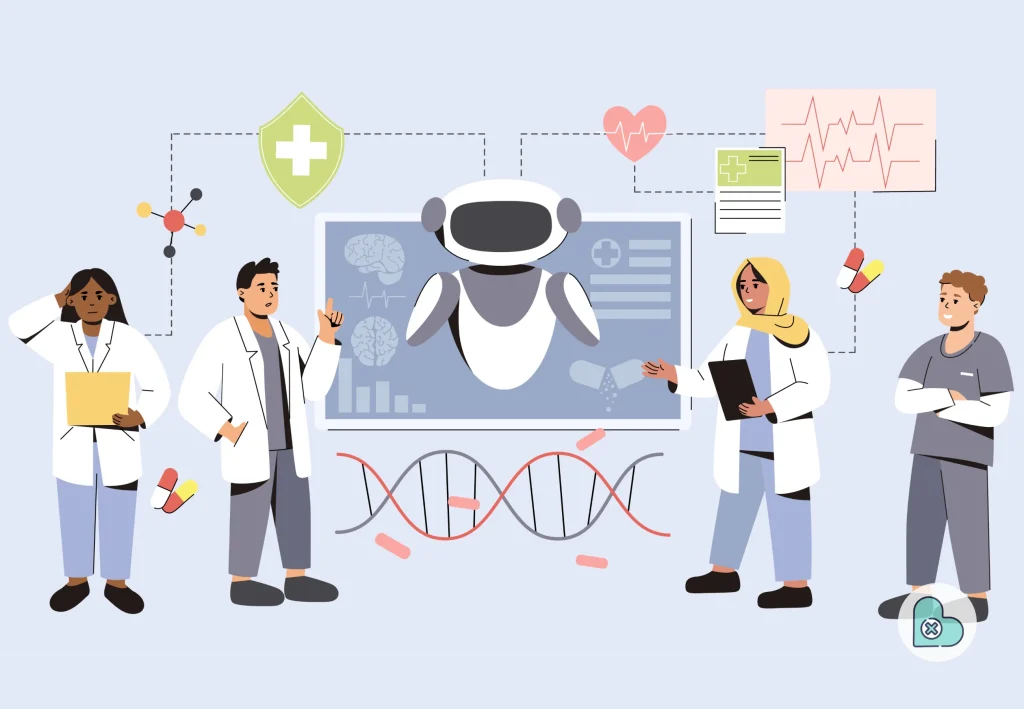
When we talk about artificial intelligence in healthcare, we mean software that “thinks.” These tools analyze medical data to help doctors make better choices. They use machine learning in healthcare to spot patterns that humans might miss. This technology is the backbone of 2026 healthcare AI.
The tech side is actually quite simple to understand. It uses NLP in healthcare systems to read patient notes. It also uses computer vision in medical imaging to look at X-rays. Predictive healthcare analytics help spot future health risks early. Together, these AI healthcare solutions create a personalized experience for every patient.
Top AI Trends in Healthcare 2026
_ DC Studio _ freepik
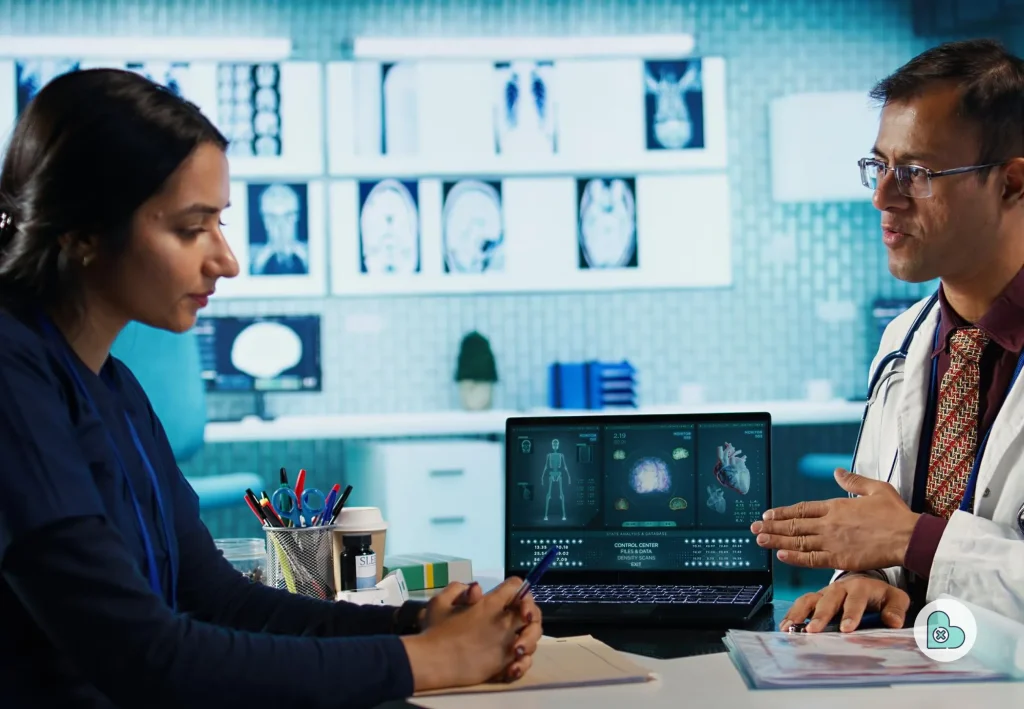
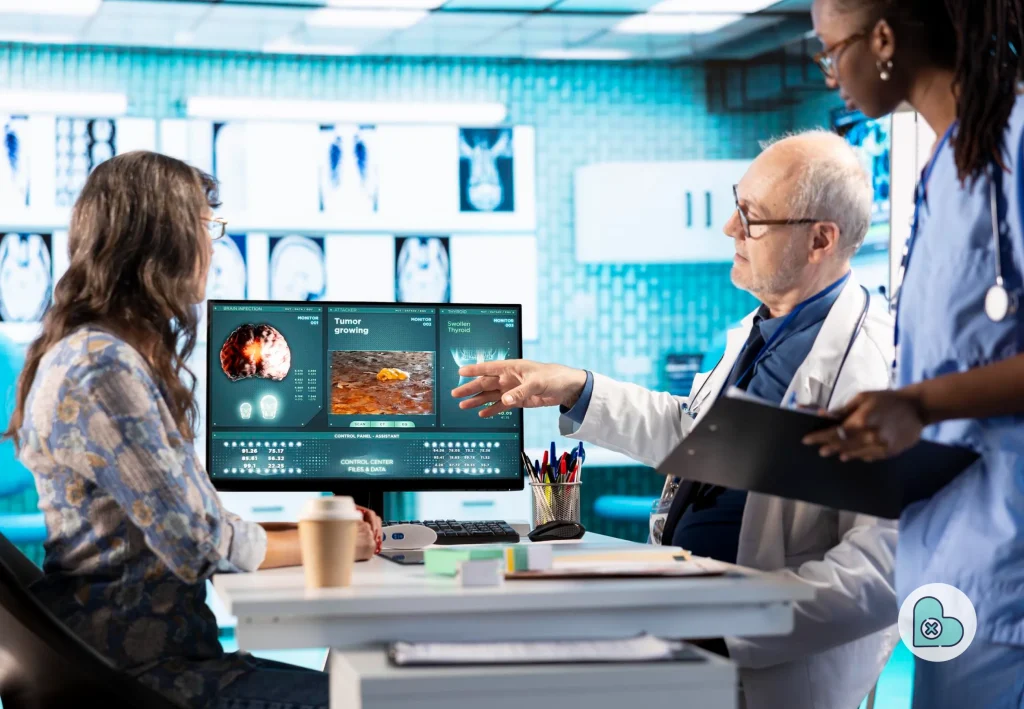
The most significant shift is in AI-powered diagnostics. These tools identify diseases like cancer at the earliest stages. By using AI in medical imaging, machines can scan MRIs and CT scans in seconds. It reduces human error and helps start treatment faster. It is one of the most vital medical AI innovations we have seen this decade.
Another major trend is personalized treatment powered by AI. In 2026, doctors don’t use a “one size fits all” approach. Instead, they use AI healthcare technology to tailor therapy to your DNA. By combining genomics with intelligent algorithms, success rates are climbing. Patients receive a care plan tailored to their unique medical history.
We are also seeing a rise in AI-driven patient monitoring. Predictive models now monitor your vitals in real time. If a heart issue is coming, the system sends an alert before it happens. This completely changes how chronic diseases are managed. These AI applications in healthcare are literally saving people in their own homes.
Boosting Efficiency with Smart Automation

_ DC Studio _ freepik
Hospitals are finally getting rid of messy paperwork. Smart hospitals using AI automate billing and scheduling. This healthcare automation using AI lowers costs and reduces staff burnout. It allows nurses to focus on patients rather than spreadsheets. It is a win for both the staff and the people they serve.
AI chatbots in healthcare are also changing the game. These virtual assistants offer 24/7 support for basic health questions. They can book appointments or remind you to take your meds. Meanwhile, robotic surgery using AI allows surgeons to be more precise. These robots help with tiny incisions, which means you heal much faster.
Finally, we cannot ignore AI in drug discovery. Creating new medicine used to take ten years. Now, AI shortens that cycle by analyzing chemical compounds at lightning speed. The future of AI in healthcare means we can find cures for rare diseases in record time. It is a massive leap forward for the pharmaceutical industry.
Real-World Success and Ethical Hurdles
_ DC Studio _ freepik
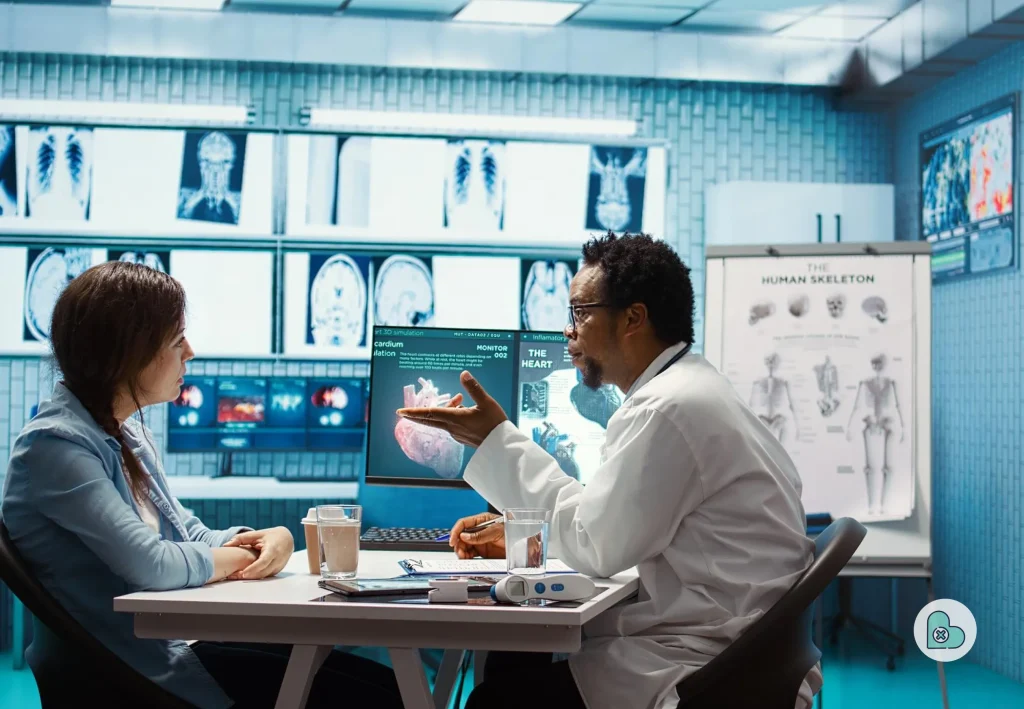
We see AI trends in healthcare 2026 in action every day in the real world. For example:
- Automated Diagnostics: Large hospitals use AI to catch heart disease early.
- Predictive Alerts: Identify patients at high risk of readmission.
- Virtual Support: Local clinics use chatbots to manage daily queries.
However, we must face the ethical challenges of AI in healthcare. Issues like data privacy in healthcare AI are very real. We also need to address data bias so everyone receives fair treatment. Solving these problems is the only way to build genuine trust in the system.
The Road Ahead
The future of AI in healthcare looks bright but requires work. Doctors will need better AI literacy to stay ahead. We also expect more AI trends in healthcare in 2026 to focus on wearable devices. As these tools become more transparent, they will become a natural part of our lives.
The benefits are clear: better outcomes, lower costs, and faster healing. AI trends in healthcare 2026 are setting the stage for a healthier world. If you embrace these AI healthcare solutions now, you are building a better tomorrow.



Leave a Reply