


If your voice sounds hoarse and your throat feels sore, you may think it’s just a cold. But if these symptoms stay for days or weeks, the real cause could be acid reflux.
Here’s what’s actually happening.
Inside your body, a small muscle called the lower oesophageal sphincter acts like a valve. It controls the flow of food from your oesophagus into your stomach. When it works well, everything stays where it should. But when it weakens or doesn’t close fully, acid flows back up.
This is a common reason for acid reflux.
This backward flow is known as gastroesophageal reflux disease (GERD) when it becomes frequent. And it doesn’t just cause heartburn. It can also lead to sore throat, acid reflux, voice issues, and even confusing hoarseness causes that many people overlook.
Over time, this can turn into chronic acid reflux, which needs proper attention and the right acid reflux remedies to control symptoms.
Symptoms of Acid Reflux and GERD

_ frepik
Acid reflux shows up in different ways. Some symptoms are mild, while others can affect your daily life if ignored.
The most common symptom is heartburn. It feels like a burning sensation in the chest, especially after meals or when lying down. This is often the first sign people feel.
You may also experience:
- Regurgitation – food or sour liquid coming back into your mouth
- Sore throat – especially in the morning due to acid irritation
- Chest discomfort – often confused with heart-related pain
- Hard to swallow – feels like food is stuck in your throat
- Nausea – an uneasy feeling after eating
In many cases, these symptoms don’t appear all at once. They develop slowly over time.
Another important thing to understand is that symptoms can worsen at night. When you lie down, acid moves more easily into the oesophagus. This is why many people search for acid reflux remedies that work before bedtime.
Some people also experience:
- Chronic cough
- Hoarseness or voice changes
- Bad breath due to acid buildup
If these symptoms occur frequently, it may indicate a more serious condition, such as GERD. That’s when using the right acid reflux remedies becomes very important to prevent long-term damage.
Causes of Acid Reflux (Why It Happens)

Acid reflux doesn’t happen randomly. A combination of lifestyle habits, food choices, and body conditions usually triggers it.
The main cause is a weak valve (lower oesophageal sphincter) that doesn’t close properly. This muscle works like a gate between your stomach and oesophagus. When it weakens or relaxes at the wrong time, stomach acid flows backwards.
Here are the most common causes:
- Overeating – Eating too much fills your stomach and can push acid back up.
- Trigger foods – Spicy, oily, chocolate, caffeine, and acidic foods
- Obesity – Extra body weight puts more pressure on your stomach, making acid more likely to move upward.
- Smoking – Weakens the sphincter muscle
- Stress – Increases acid production and slows digestion
In addition to these, daily habits also play a big role. Eating late at night, lying down right after meals, or skipping physical activity can all worsen symptoms.
Certain medications can also trigger reflux. These include painkillers, muscle relaxants, and some blood pressure drugs.
Another key factor is poor digestion. When your stomach empties more slowly, acid stays in the stomach longer, increasing the risk of reflux. This is where natural acid reflux remedies can help improve digestion and reduce discomfort.
Understanding these causes helps you take control. When you avoid triggers and follow simple lifestyle changes, you can reduce dependency on medicines and manage symptoms with effective acid reflux remedies.
What Is GERD? Understanding the Condition Clearly
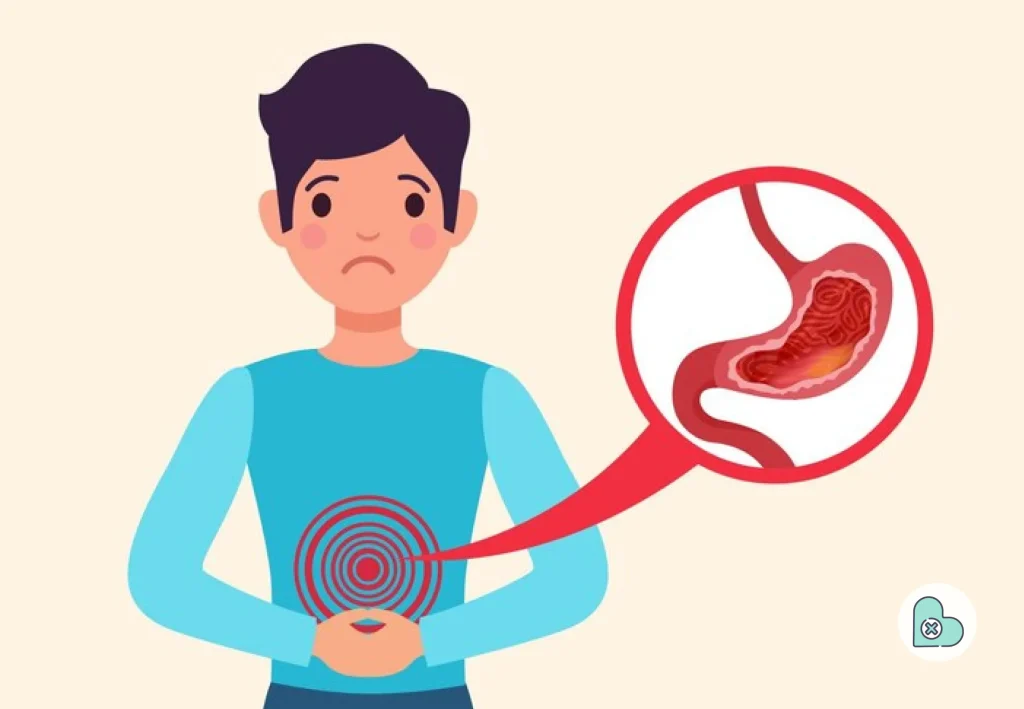
GERD (gastroesophageal reflux disease) is not just occasional acidity. It is a long-term condition where acid reflux symptoms happen again and again.
Let’s break down the most common GERD symptoms in a simple way:
• Heartburn (burning feeling in chest or upper stomach)
• Food or acid coming back up (regurgitation)
• Chest pain due to acid reflux
• Feeling sick or uneasy (nausea and GERD)
• Trouble swallowing (swallowing problems, GERD)
• Constant cough or voice changes
These signs clearly show how serious acid reflux can become if left untreated.
Now, what triggers it?
There are three major internal reasons:
- Weak clearing of food or acid from the oesophagus
- Excess acid production in the stomach
- Slow digestion or delayed stomach emptying
If ignored, this can lead to serious GERD complications. That’s why early acid reflux treatment and the right acid reflux remedies are very important.
How to Get Rid of Acid Reflux (Proven and Practical Tips)

freepik
If you are wondering how to cure acid reflux, the answer starts with your daily routine.
These lifestyle changes for GERD are powerful and act as effective acid reflux remedies when followed consistently.
1. Eat Less but More Often
Avoid large meals. A full stomach increases pressure and triggers reflux. Small meals help control acid reflux symptoms and improve digestion.
2. Identify Trigger Foods
Some foods are known to trigger acid reflux, but triggers can differ from person to person. Common ones include:
• Spicy food
• Fatty meals
• Coffee and tea
• Chocolate
• Alcohol
• Garlic and onions
Avoiding these helps you build the best diet for acid reflux and understand what triggers acid reflux in your case.
3. Avoid Carbonated Drinks
Fizzy drinks increase gas and push acid upward. Choose water instead. This is a simple way to support reducing stomach acid.
4. Stay Upright After Eating
Do not lie down after meals. Stay upright for at least 2–3 hours. This is one of the easiest acid reflux prevention tips.
5. Be Careful with Exercise Timing
Avoid intense workouts right after eating. Light walking is fine, but heavy exercise can worsen acid reflux symptoms.
6. Improve Your Sleeping Position
Your sleeping position for acid reflux matters more than you think. Raise your head by 6–8 inches. This works as one of the best nighttime acid reflux remedies.
7. Focus on Weight Management
There is a strong link between weight loss and acid reflux. Extra weight puts pressure on your stomach and increases reflux.
8. Quit Smoking
There is a direct connection between smoking and acid reflux. Nicotine weakens the valve and increases symptoms.
9. Review Your Medications
Some drugs are known as medications that cause acid reflux. These can relax the valve or irritate the oesophagus. Always consult a doctor if symptoms worsen.
Stress and Acid Reflux: The Hidden Trigger
Most people ignore this. But acid reflux and stress are deeply connected.
When stress increases, your body produces more acid. This directly worsens GERD symptoms and makes recovery harder.
Managing stress is one of the most overlooked acid reflux remedies, yet it is highly effective.
Here are some simple stress management for acidity techniques:
• Deep breathing for acid reflux calms your nervous system
• Meditation for acidity relief improves gut-brain balance
• Yoga for GERD relaxes your body and improves digestion
• Progressive muscle relaxation reduces physical tension
These are powerful natural remedies for GERD that support long-term healing.
When Should You See a Doctor?
Sometimes, lifestyle changes and home remedies for acid reflux are not enough. If you experience acid reflux symptoms more than twice a week, it’s time for an acid reflux doctor consultation.
Watch for warning signs like:
• Severe or repeated chest pain due to acid reflux
• Difficulty swallowing
• Continuous nausea
• No improvement from acid reflux remedies or lifestyle changes
These may indicate serious GERD complications.
Doctors may suggest medications or advanced acid reflux treatment. In some cases, surgery may be required to strengthen the valve.
Best Home Remedies for Acid Reflux
Looking for the best home remedy for acidity? The answer lies in simple daily habits. These acidity home remedies are safe, natural, and effective:
• Drink enough water to flush excess acid
• Eat slowly and chew food properly
• Chew sugar-free gum to increase saliva
• Drink coconut water for acidity to balance pH
• Include alkaline foods for acid reflux, like cucumbers and greens
These are practical, proven tips for relieving acidity that support digestion and reduce symptoms.
Does Tea Help Acidity?
A common question is: Does tea help with acidity? The answer depends on the type of tea.
Some teas can soothe your stomach, while others can worsen acid reflux symptoms.
Helpful options include:
• Herbal tea for acid reflux
• Ginger tea for acidity (reduces inflammation)
• Chamomile tea benefits acidity by calming the stomach
Avoid caffeinated teas, as they can trigger acid reflux symptoms.
How to Flush Excess Acid from the Stomach
If you are searching for natural ways to reduce acidity, start with hydration and smart food choices.
Water helps dilute acid and improves digestion. Drinking a glass of water after meals helps reduce stomach acid.
Add alkaline foods like:
• Cucumbers
• Leafy greens
• Melons
These foods help balance stomach pH and support digestion naturally.
They are essential digestion and gut health tips for long-term relief.
Final Thoughts: Simple Steps for Long-Term Relief
Acid reflux and GERD are common, but they should never be ignored. The good news is that you can manage them with the right habits and consistent effort.
Focus on:
• Smart eating habits
• Avoiding trigger foods
• Managing stress
• Maintaining a healthy weight
These simple steps work as powerful acid reflux remedies that improve your daily life.
By following these strategies, you can control acid reflux symptoms, avoid discomfort, and prevent serious GERD complications.
Stay consistent. Stay mindful. That’s the real path to lasting relief.






Leave a Reply