

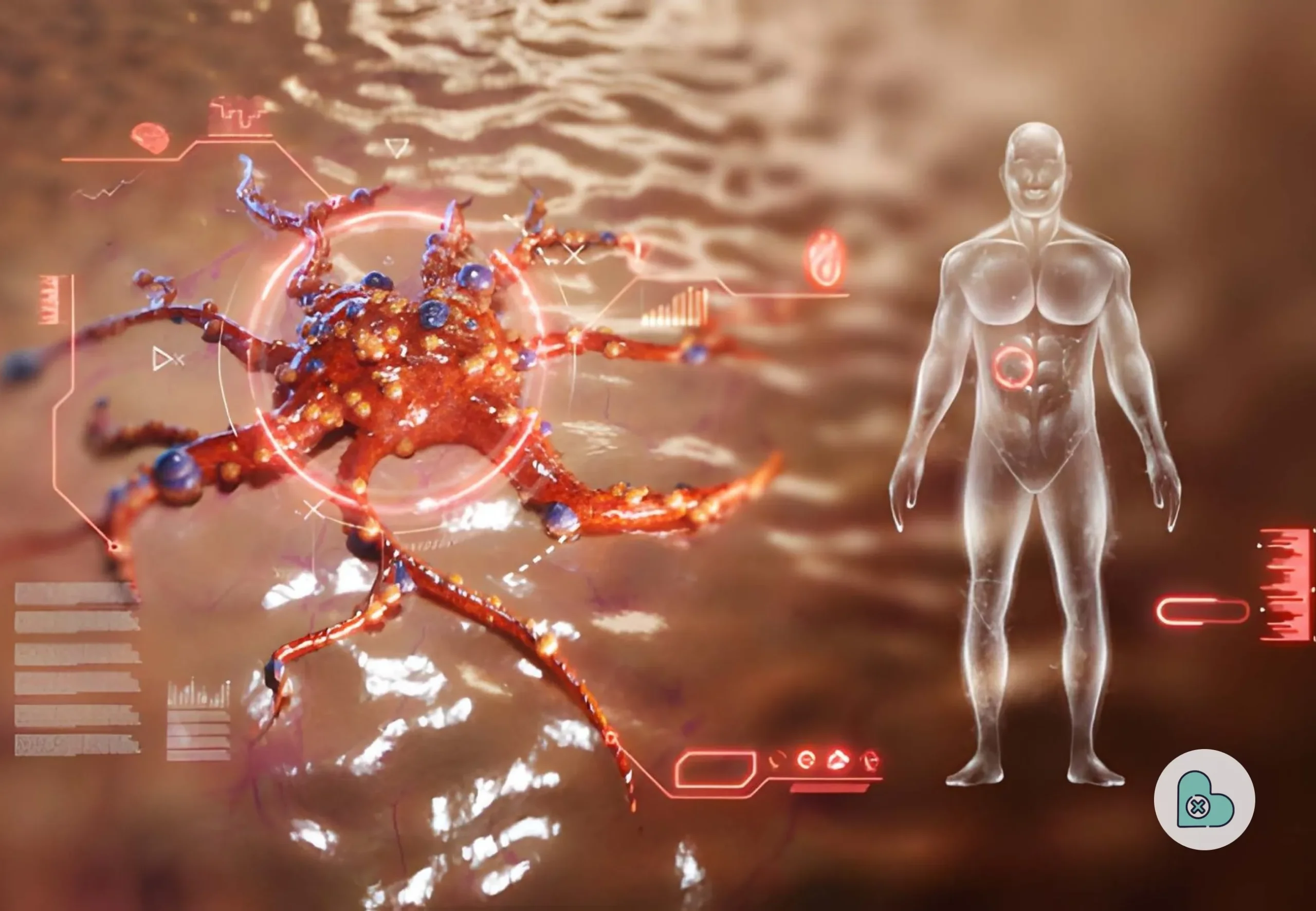
In the past, treating cancer was a bit like trying to find the right key for a lock in the dark. Doctors used a “one-size-fits-all” approach. If two people had the same type of cancer, they usually got the same chemotherapy. Sometimes it worked, sometimes it didn’t. This “trial and error” method was hard on patients because it caused a lot of side effects without a guarantee of success.
Today, things are changing fast. We are entering a new era called precision oncology. This means doctors now look at the unique details of each person’s body to choose the best treatment. It is no longer a dream for the future; it is happening right now. At the very center of this change are AI-driven diagnostic devices. These smart tools help doctors understand the complicated biology of a patient in ways that were impossible just a few years ago.
What is Precision Oncology?
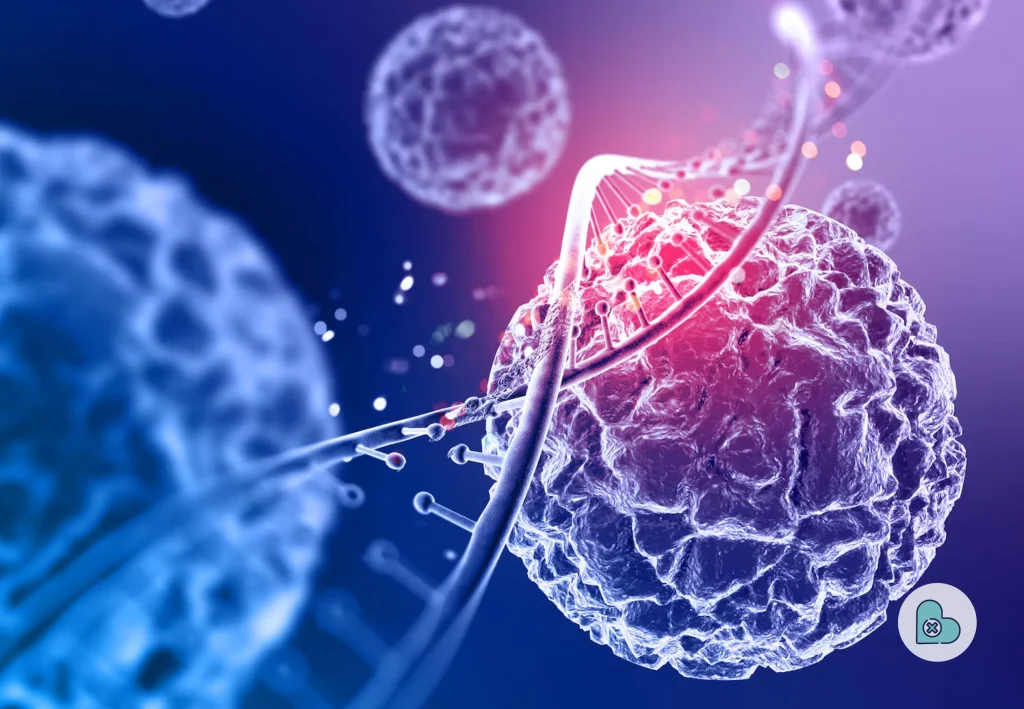
Precision oncology is a smart strategy that uses a person’s molecular profile to guide medical choices. Think of it like a custom roadmap made just for you. Instead of just saying “this is lung cancer,” doctors look at specific genetic changes, like an EGFR mutation. This helps them pick a drug that targets only that specific problem.
To do this, they look at different types of data:
- Genomics: Studying your DNA and genes.
- Proteomics: Looking at the proteins in your cells.
- Metabolomics: Checking the chemical processes in your body.
The challenge is that this creates a huge amount of data. A single test can produce thousands of details. A human brain cannot sort through all that alone. This is exactly why artificial intelligence in oncology is so important. It acts like a super-fast assistant that finds the right answers in seconds.
How AI Helps in Early Cancer Detection
unsplash
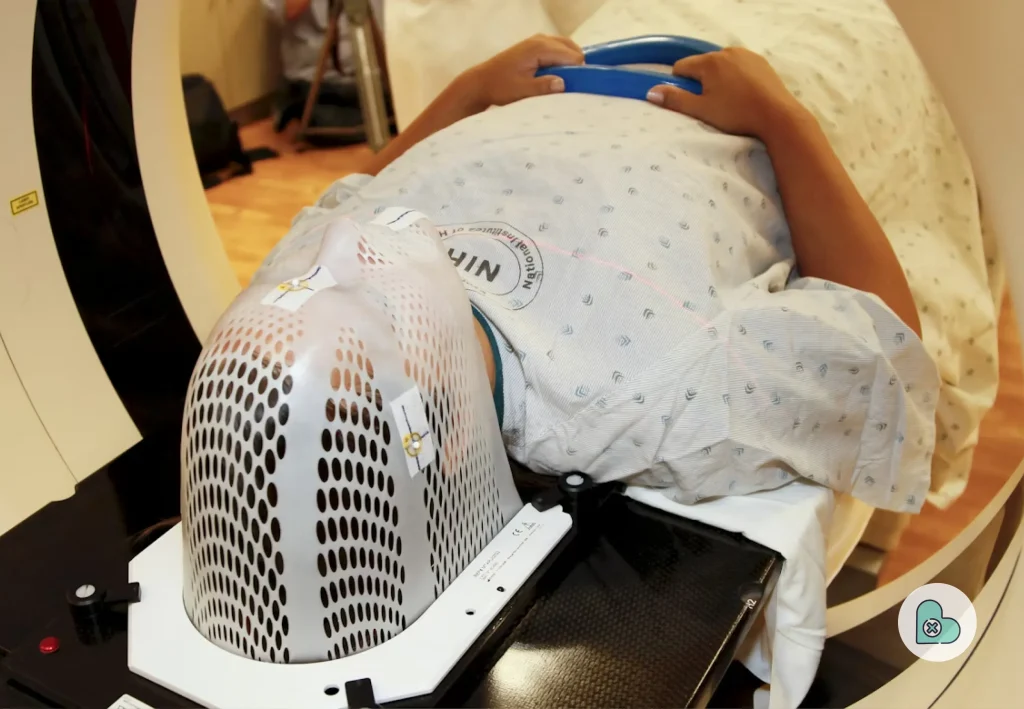
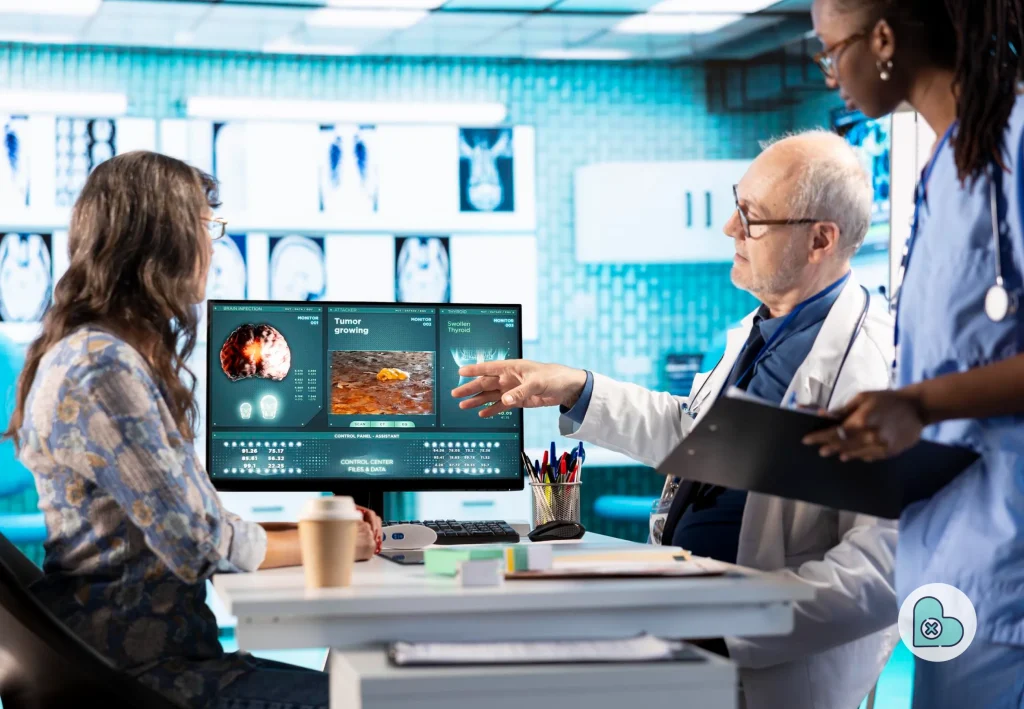
The most effective way to fight cancer is to detect it early. When we catch it before it spreads, the chances of survival go up. AI in early cancer detection is a game-changer because it finds tiny patterns that humans might miss.
AI-driven diagnostics are already being used to flag people who need extra help. For example, some hospitals use machine learning in cancer care to check patient records. If a person is late for a screening, the AI lets the doctor know. This simple step has helped many people get the tests they need just in time. Using cancer screening AI tools means we can stop the disease before it even starts to cause trouble.
The Power of AI Pathology Diagnosis
pexels
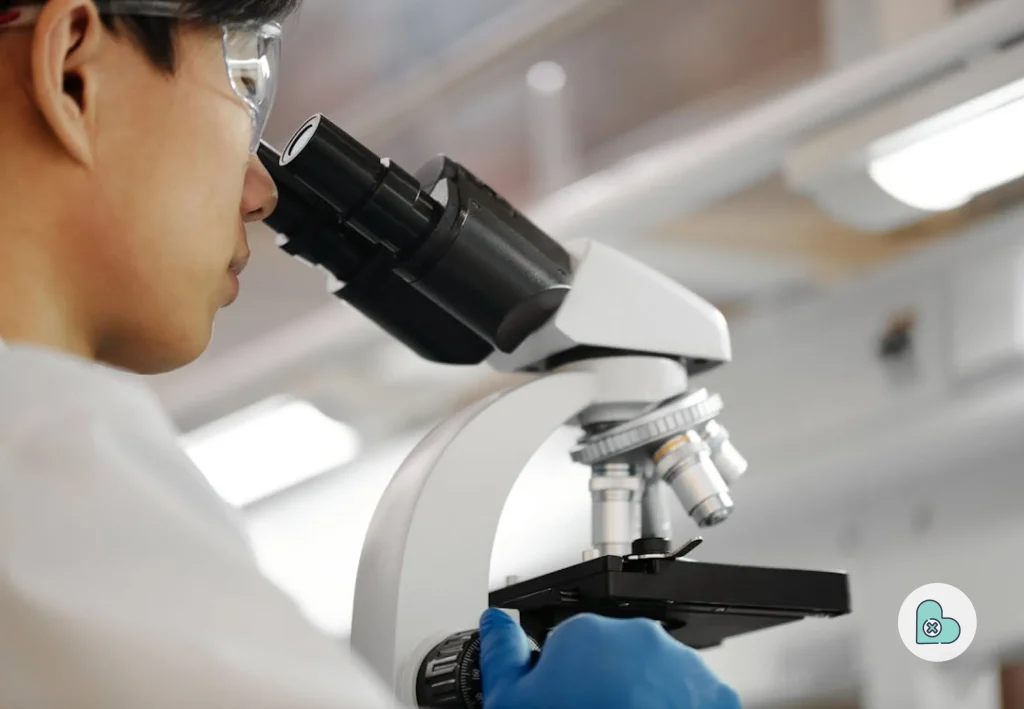
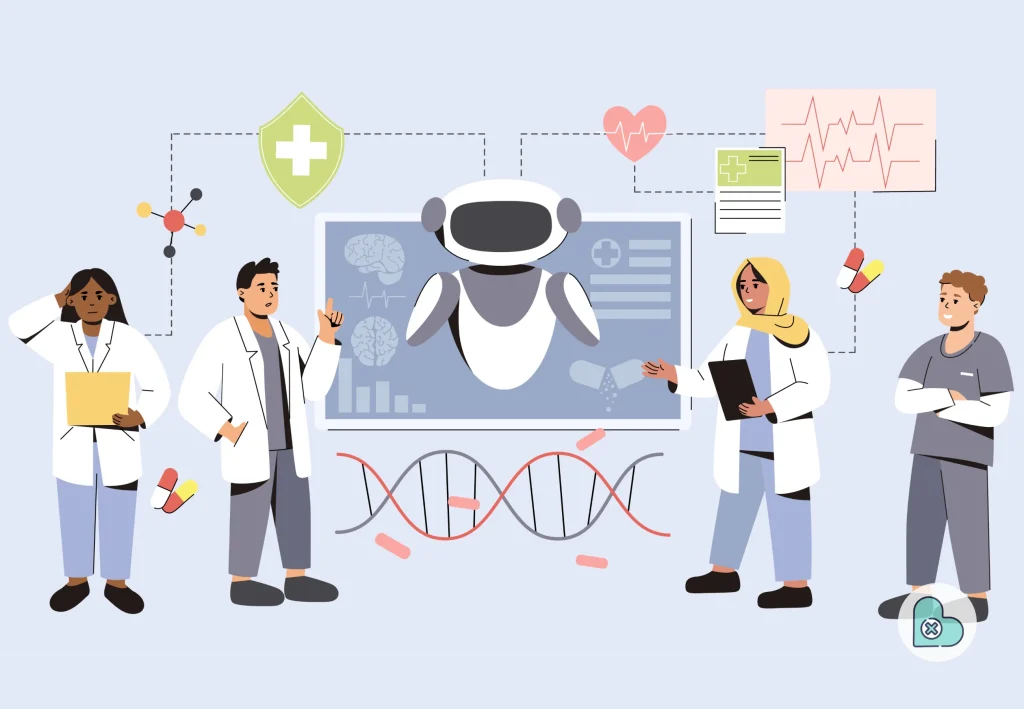
Pathologists are the doctors who look at tissue under a microscope to find cancer. There’s a global shortage of these experts right now. AI pathology diagnosis helps fill this gap.
By using digital pathology AI, computers can look at thousands of digital slides in a heartbeat. The AI doesn’t replace the doctor. Instead, it acts as a “second pair of eyes.” It highlights the areas that look suspicious so the pathologist can focus on them. This makes the whole process much faster and more accurate. When we combine human wisdom with AI healthcare innovation, we get better results for everyone.
Benefits of Digital Pathology
- It provides clear measurements that are hard for humans to see.
- It speeds up the time it takes to get a diagnosis.
- It allows doctors to share images easily for a second opinion.
Multi-Omics Data Integration: Connecting the Dots
Cancer is not just one thing. It’s a combination of multiple factors. To understand it, we need multi-omics data integration. This sounds fancy, but it just means putting all the different pieces of the puzzle together.
AI models like graph neural networks in oncology are great at this. They can look at your DNA, your medical images, and your past health history all at once. This gives the doctor a full picture of the disease. By using machine learning in cancer care, we can see how different parts of your biology affect each other. This is the true heart of personalized cancer treatment.
AI-Driven Diagnostic Devices in the Real World
When we talk about an “AI device,” it isn’t always a physical box. Often, it is a special software. This is called Software as a Medical Device (SaMD). These tools are now being used right at the patient’s bedside.
Virtual Tumor Boards
In large hospitals, a Tumor Board is a team of specialists who come together to discuss a patient’s case. It used to take hours to get all the data ready for these meetings. Now, an AI-powered tumor board tool can do this in seconds. These clinical decision support systems AI gather all the records and images into a simple summary. This lets doctors spend more time talking about the patient and less time looking for paperwork.
Predictive Analytics Cancer Treatment
One of the hardest questions for a doctor is: “Will this drug work?” Predictive analytics in cancer treatment helps answer that. By looking at millions of other cases, the AI can predict how a specific tumor will react to a drug. For example, immunotherapy prediction AI helps doctors know if a patient will benefit from certain therapies. This saves patients from taking strong medicines that won’t actually help them.
Understanding Different Types of Cancer

pexels
Every cancer is different, and AI is learning the language of each one. For example, non-small cell lung cancer AI research has come a long way. AI can now look at a lung cancer mutation, EGFR ALK, and tell doctors exactly which drug to use.
Using NSCLC treatment AI tools allows for a very specific plan. Instead of a general treatment, the patient gets exactly what their body needs. This is why next-generation sequencing cancer tests are so vital. They give the AI the raw data it needs to build a winning plan.
The Role of Transformers and LLMs
You might have heard of ChatGPT. That is a Large Language Model (LLM) built on something called a “Transformer.” Believe it or not, the same technology is used in LLM in oncology.
These models are trained on medical books and patient data. They help summarize electronic health records AI so doctors can see the most important facts quickly. A GPT in healthcare model can even help write accurate reports based on NGS cancer analysis. This doesn’t mean a robot is making the choices, but it does mean the doctor has the best information possible.
Barriers to AI in Healthcare
Even though AI in cancer treatment is amazing, there are still some challenges we need to fix.
- Data Silos: Often, one hospital’s data can’t talk to another’s. We need better cancer data analytics systems that work together.
- The Black Box: Doctors need to know why an AI made a suggestion. This is called explainable AI healthcare, or XAI, in oncology.
- Rules and Regulations: The government needs to make sure these healthcare AI devices are safe before they are used on everyone.
The Future of AI in Healthcare India and Beyond
The future of cancer treatment AI is very bright. One of the best things about these tools is that they can be used anywhere. You don’t have to be in a giant city to get great care.
AI in medical imaging and AI in preventive healthcare can be used in small clinics, too. This means a person in a rural area can get the same expert advice as someone in a major medical center. By using AI in healthcare in India, we can bring world-class personalized medicine AI to millions of people.
What to Expect Next
- Better cancer risk prediction AI to stop cancer before it starts.
- More AI clinical workflow automation to give doctors more time with patients.
- New oncology technology trends that focus on patient comfort.
Conclusion: A New Hope for Patients
Precision oncology is changing the world, and AI-driven diagnostics are the reason why. We are moving away from guessing and moving toward knowing. By using artificial intelligence in oncology, we can turn “big data” into real help for real people.
As we improve proteomics data analysis and metabolomics cancer research, we will find even more ways to save lives. The goal is to make cancer a treatable condition rather than a scary mystery. With AI in cancer treatment, that goal is getting closer every single day. We are finally learning how to treat the person, not just the disease.



Leave a Reply