

Let me be honest with you.
Most people are either eating too little protein or stressing too much about eating too much. And both camps are getting it wrong.
Protein is one of those nutrients that everyone talks about, but very few people truly understand. You’ve heard it a thousand times — “eat more protein,” “protein is king,” “you need protein to build muscle.” But what does that actually mean for your life, your plate, and your body?
Let’s break it all down in plain, simple language. No fluff. No confusing science jargon. Just real, useful information you can actually use starting today.
Are You Getting Enough Protein?
Not getting enough protein is more common than you might think—especially if you’re eating less or following a strict weight-loss plan. People who skip meals, follow restrictive diets, or use weight-loss medications often end up consuming less protein than their bodies need.
This can lead to unwanted muscle loss, which is not the kind of weight you want to lose. If your goal is healthy weight loss, skipping meals is not the answer. Instead, focus on including a good source of protein in all three main meals to support your body and maintain muscle mass.
Does Eating More Protein Build Bigger Muscles?

A common myth is that eating more protein automatically leads to bigger muscles. In reality, muscle growth comes from strength training, not just increasing protein intake.
Protein does play an important role, but once your body gets what it needs, the extra protein doesn’t help build more muscle. Instead, it may be used for energy or stored as fat—just like excess calories from any other food.
Consuming too much protein, especially from high-fat sources, can also increase the risk of high cholesterol and heart issues. It may also put extra strain on the kidneys, particularly for those already at risk of kidney problems.
Why Protein Even Matters in the First Place

The word “protein” comes from the Greek word protos, meaning “first.” And that’s not a coincidence. Your body treats protein like a top priority. Every single day, your body uses protein to build and repair muscles, make hormones and enzymes, support your immune system, keep your hair and nails growing, and carry oxygen through your blood. That’s a big job list.
When you don’t eat enough protein, your body starts to break down its own muscle tissue to get what it needs. That’s the last thing anyone wants — whether you’re an athlete, a busy parent, or someone just trying to stay healthy as they get older.
Here’s the simple truth: protein benefits go far beyond just building muscle. It supports your energy, your metabolism, your recovery after exercise, and even your mood. The importance of protein in the diet is something every person — not just gym-goers — needs to take seriously.
How Much Protein Per Day Do You Really Need?
This is the big question. The answer really depends on your body and lifestyle.
For the Average Adult
If you live a mostly sedentary life — desk job, light activity, no heavy workouts — the basic recommendation is 0.8 grams of protein per kilogram of body weight. So if you weigh 75 kilograms (about 165 pounds), your daily protein intake should be around 60 grams per day.
That might sound like a lot, but it’s really not. A couple of eggs, a cup of yogurt, and a small piece of chicken at dinner can easily get you there.
For People Over 40 or 50
Here’s something a lot of people don’t know. Once you hit your 40s, your body starts losing muscle naturally. This condition is called sarcopenia, and it’s one of the sneaky reasons older adults start feeling weaker, more tired, and less steady on their feet.
Protein intake for seniors becomes especially important here. To fight sarcopenia and protect your strength and independence, protein requirements by age increase significantly after 40. Experts recommend bumping up to 1 to 1.2 grams per kilogram — that’s about 75 to 90 grams per day for someone weighing 165 pounds.
Protein for aging adults isn’t just about staying fit. It’s about staying functional, active, and independent for as long as possible. That’s a goal worth eating a little more chicken for.
For People Who Exercise Regularly
If you work out — whether it’s lifting weights, running, cycling, or group classes — your protein intake for athletes and active individuals needs to be higher. The recommended range is 1.1 to 1.7 grams per kilogram, depending on how intense your training is.
Protein for muscle growth and protein for recovery both depend on giving your body enough raw material to repair muscle fibers after a tough session. If you’re serious about fitness, hitting 1.5 to 1.7 grams per kilogram is a smart target.
Going above 2 grams per kilogram is considered excessive and doesn’t give you any added advantage. Your body can only use so much at a time — the rest just gets processed out.
Top Protein-Rich Foods You Should Add to Your Diet
You don’t need expensive supplements to hit your protein goals. Real, whole foods do a fantastic job.
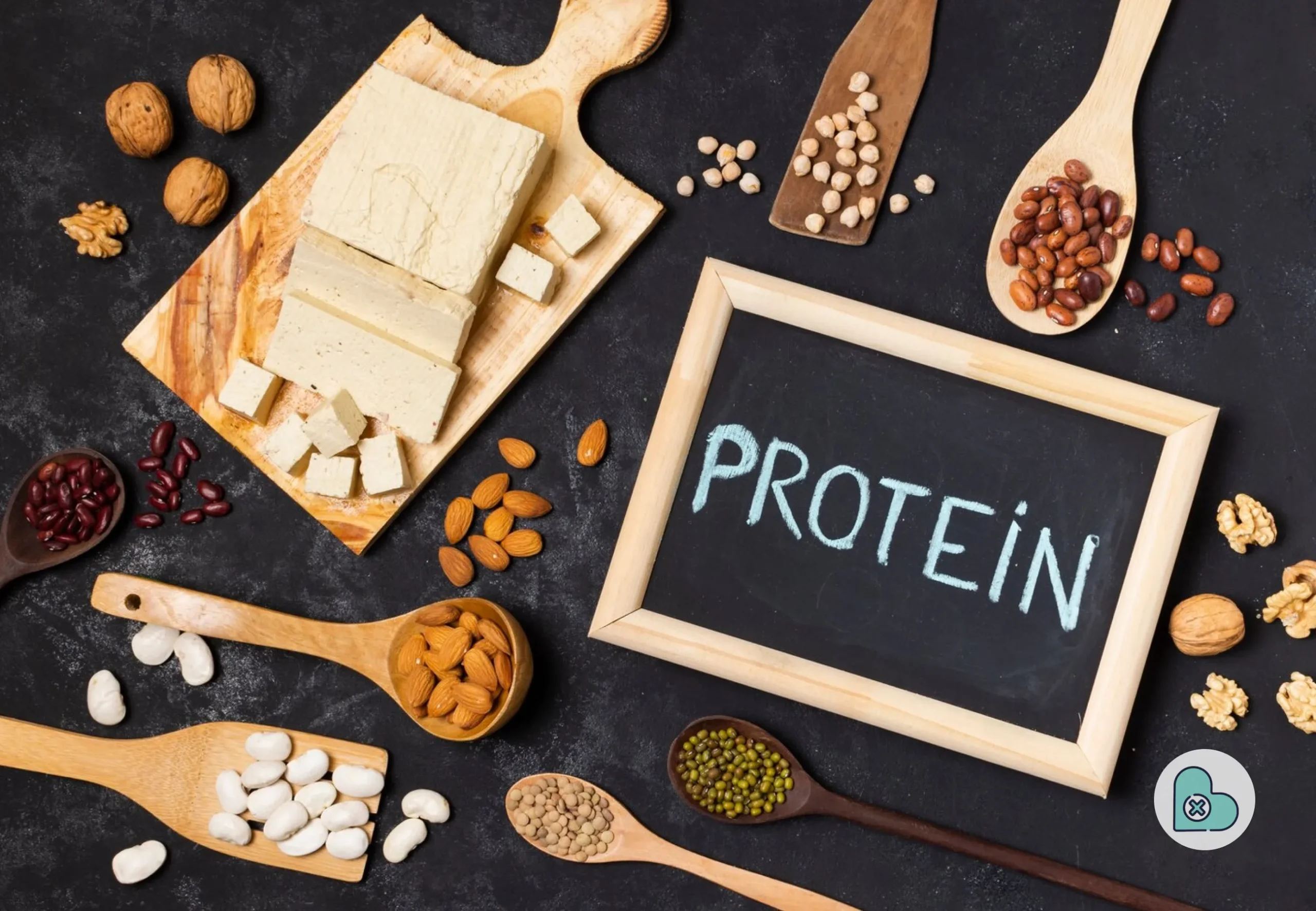
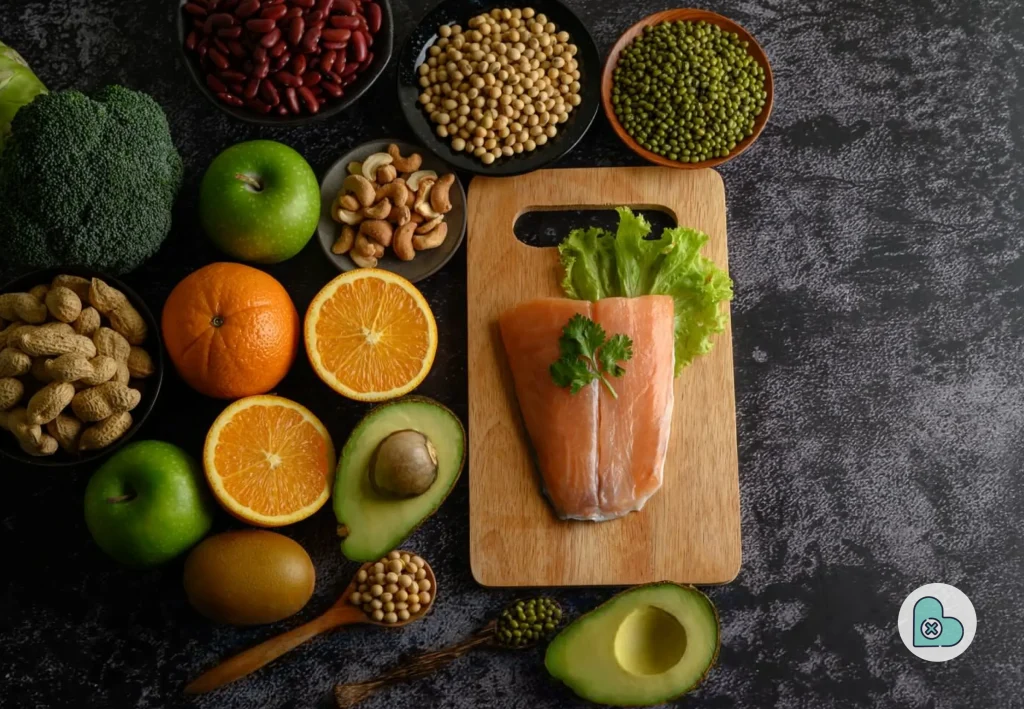
Healthy protein sources to focus on include eggs, Greek yogurt, chicken breast, fish, lean turkey, low-fat dairy, beans, lentils, tofu, and nuts. These aren’t just high in protein — they come packed with vitamins, minerals, and fiber that supplements simply can’t replicate.
Plant-based protein sources like lentils, chickpeas, edamame, and quinoa are excellent choices too — especially if you’re looking to reduce your meat intake. Animal protein sources like fish and eggs are considered “complete” proteins, meaning they contain all the essential amino acids your body can’t make on its own.
The golden rule? Try to get your protein from whole foods first. Real food gives you more than just protein — it gives you everything your body needs to actually use that protein effectively.
When Should You Eat Protein for the Best Results?
Timing matters more than most people think.
Protein distribution throughout the day is key. Most people pile most of their protein into dinner and eat almost none at breakfast. That’s not ideal. Your body can only use about 20 to 40 grams of protein efficiently in one sitting — anything more doesn’t get stored as muscle, it just gets processed differently.
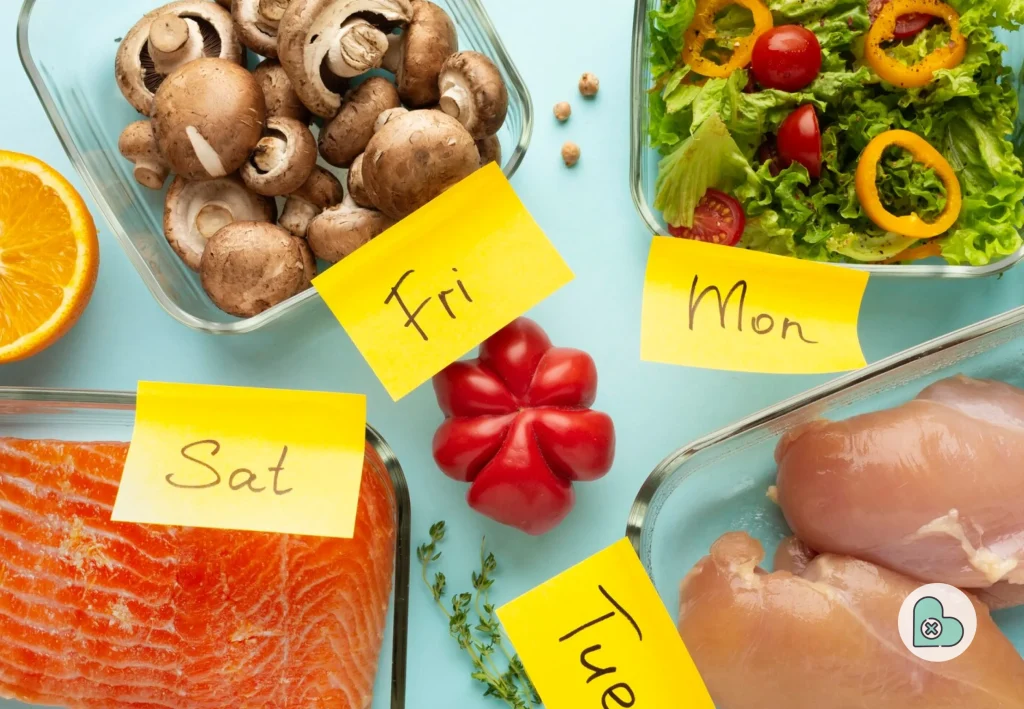
A smarter approach is spreading your protein across all three meals. Aim for 15 to 30 grams of protein per meal. That keeps your muscles fed all day long and helps manage hunger too.
Post-workout protein intake matters as well. After exercise, try to eat at least 15 to 25 grams of protein within two hours. This supports muscle repair and recovery. Protein timing for muscle growth isn’t about chugging a shake the second you leave the gym — it’s just about not waiting four hours to eat anything at all.
Protein-rich breakfast ideas can be as simple as two eggs with Greek yogurt and a glass of milk. That alone gives you nearly 30 grams before 9 AM.
Can You Eat Too Much Protein?
Yes — and this is important.
Excessive protein side effects are real, though they usually only show up when someone is consistently eating way above their needs. Too much protein risks include increased strain on the kidneys, potential bone loss, and, in some cases, a higher risk of certain health conditions when the excess protein comes primarily from red or processed meats.
Protein and kidney health are genuine concerns for people who already have kidney issues. If that’s you, talk to a doctor before dramatically increasing your protein intake.
The sweet spot is eating enough protein to support your body’s needs — not chasing the highest number possible. More is not always better. This is one area where balance truly wins.
Should You Use Protein Supplements?
Supplements can be helpful in specific situations — but they’re not magic, and they’re not necessary for most people.
If you’re struggling to meet your protein goals through food alone, a quality protein supplement can fill the gap. When shopping for one, look for options with fewer than 200 calories, less than 2 grams of saturated fat, and no more than 5 grams of sugar per serving. Avoid anything with trans fats or partially hydrogenated oils.
But remember — whey protein vs whole foods is not even a close competition when it comes to overall nutrition. Whole foods win every time. Use supplements as support, not a substitute.
The Bottom Line
Protein is not complicated once you understand the basics. Eat enough to support your body. Spread it out across your meals. Go for whole, natural foods whenever possible. And adjust your intake based on your age, activity level, and health goals.
No need to stress over every gram. You just need to be consistent, eat well, and listen to what your body is telling you.
Start with breakfast. Add some protein to each meal. And let the results speak for themselves.





Leave a Reply