

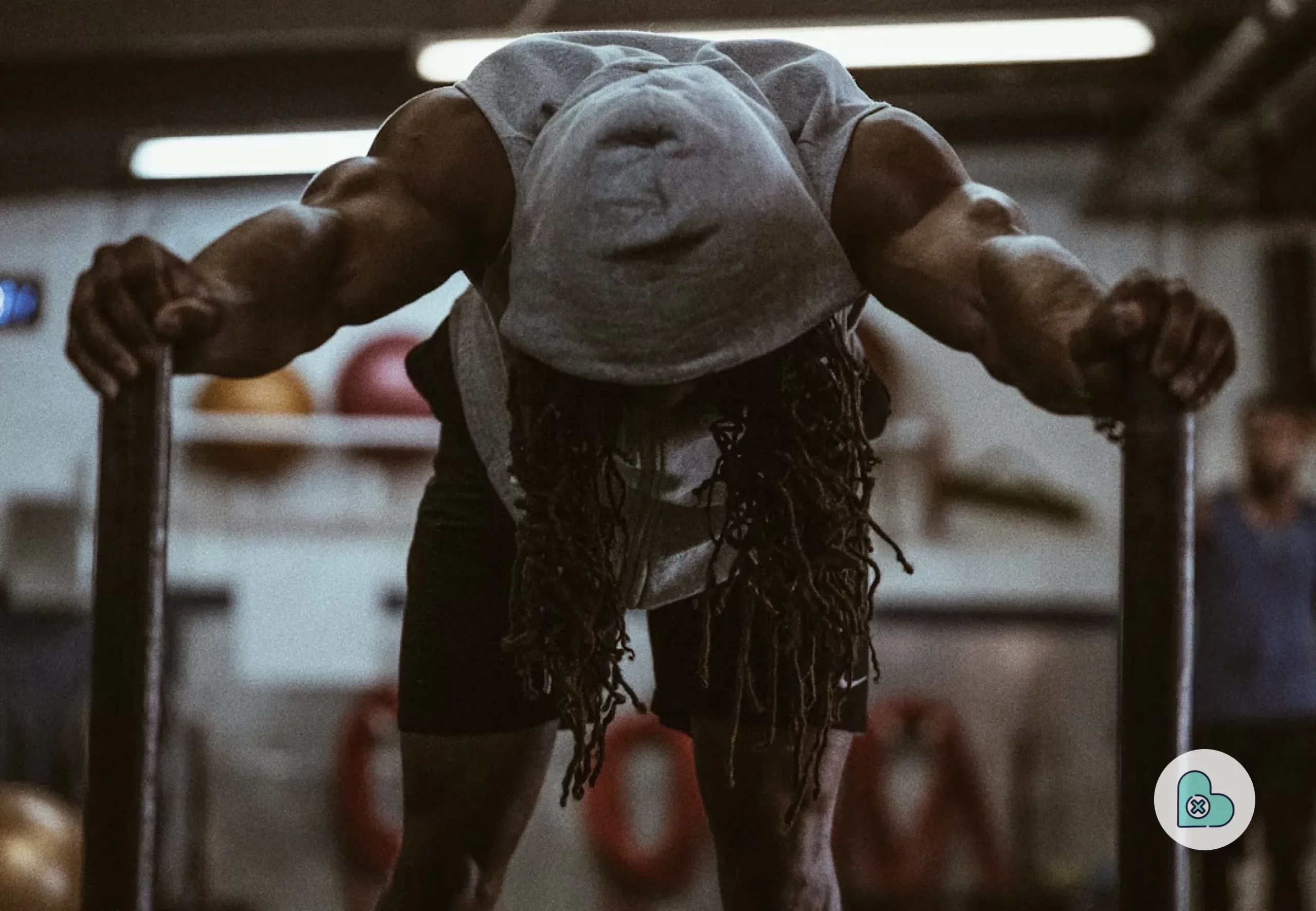
You started working out three weeks ago. You are eating better, sleeping earlier, and showing up to the gym even on the days you really do not want to. But when you look in the mirror, nothing seems different.
Sound familiar?
This is something people don’t talk about enough. The gap between starting and seeing. And it is exactly where most people give up — right before things start to change.
Here is the truth. Exercise is working inside your body from day one. The results you can see just need a little more time to catch up. Understanding the exercise results timeline can completely change how you feel about your progress — and keep you going when it gets hard.
Let us walk through exactly what happens, when it happens, and what to do when things feel slower than you hoped.
What Happens Inside Your Body When You First Start Exercising
Jonathan Borba _ unsplash
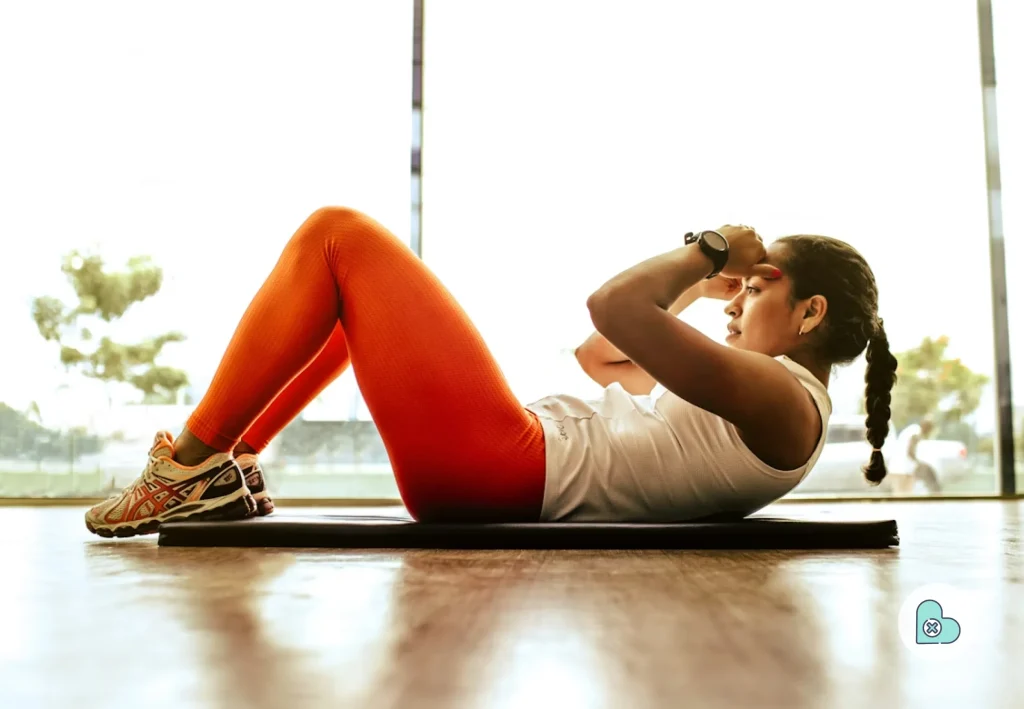
The moment you start moving, your body gets to work. Your heart rate goes up. Your breathing gets faster. Your blood vessels open wider so more blood can rush to your muscles. This brings oxygen and fuel to where they are needed and clears out waste at the same time.
These are the early exercise benefits — and they start happening in your very first workout. You cannot see them in the mirror yet, but they are real, and they matter.
Then comes the soreness. If you have ever felt stiff and achy a day or two after a new workout, that is called delayed onset muscle soreness, or DOMS. It doesn’t mean you’ve injured yourself. It is actually a sign that your muscles are growing.
Here is what is happening: when you exercise, tiny tears form in your muscle fibers. It may sound scary, but it’s totally normal. It is called microtear muscle growth, and it is how your body builds stronger, more resilient muscles. Your body repairs those small tears and comes back better than before.
The muscle soreness after a workout usually fades as your body gets used to the movement. Within a few weeks, you will notice you are not as sore after the same exercises you once could barely finish.
How Long Does Exercise Take to Show Results You Can Actually See?
Anastasia Shuraeva _ pexels
This is the big question everyone wants answered. And the honest answer? It depends. But there are some general timelines that most people follow.
Visible fitness results like muscle definition or fat loss usually start showing up somewhere between four weeks and three months. The internal benefits of exercise — better energy, improved mood, easier breathing — often appear much sooner than that.
According to clinical health educator Micky Lal, a public health professional with a master’s degree in kinesiology and over a decade of experience, visible changes depend heavily on consistency, intensity, nutrition, and your personal body.
That is why two people can follow the same program and see different results. Your genetics and fitness results are connected. Your metabolism and weight loss speed are linked. Your body is different, so your results will be too.
What matters most is not comparing your progress to someone else. What matters is staying consistent long enough for your own body to catch up.
The Fitness Progress Timeline for Strength, Cardio, and Flexibility
Daniel Francoeur _ pexels
Different types of exercise show results at different speeds. Here is what the benefits of exercise timeline looks like, depending on what you are doing.
Strength Training Results Time
With strength training, you may feel stronger within just two to three weeks. But visible muscle definition timeline results — the kind you can actually see — usually begin around four to eight weeks of consistent training.
Here is something interesting, though. Those early strength gains are not really about muscle size at all. They come from neuromuscular adaptation — your brain and your muscles learning to work together better. Your nervous system gets more efficient at sending signals, and suddenly you can lift more, even before your muscles have grown much.
This is why strength training results time can feel faster in terms of how you feel, even when the mirror has not changed yet.
Cardio Benefits Timeline
Good news for cardio lovers — the cardio benefits timeline moves pretty fast. Within just a few weeks of regular cardio, everyday tasks start to feel easier. Climbing stairs, walking fast, playing with your kids — all of it becomes less exhausting.
That is because your heart and lungs are becoming more efficient. Endurance improvement happens relatively quickly, and resting heart rate improvement is one of the clearest signs your cardiovascular fitness is growing. As your fitness level improves, your heart rate recovery fitness also gets better — meaning your heart returns to normal faster after exercise.
Flexibility Improvement Timeline
Of the three, flexibility often shows the fastest visible change. With regular stretching or yoga, many people notice improved range of motion within just a couple of weeks. The flexibility improvement timeline is shorter because flexibility is more about training your nervous system to relax muscles than building new tissue.
A balanced workout routine that combines all three — strength, cardio, and flexibility — gives you the best overall results and the most complete body transformation signs over time.
What Affects How Quickly Exercise Works for You
Ketut Subiyanto _ pexels
Understanding the workout results time frame means understanding the factors that either speed things up or slow things down. Here are the big ones.
- Consistency: Workout consistency results are real. Showing up regularly — at least 150 minutes of cardio and two strength sessions per week — matters far more than occasional intense workouts. The importance of exercise consistency cannot be overstated.
- Diet and Nutrition: Exercise and nutrition balance is everything. You can work out every day and still not lose weight if your eating habits do not support your goals. A calorie-deficient weight loss approach — burning more than you take in — is essential for fat loss. Diet and exercise results are always linked.
- Sleep: Sleep and fitness recovery go hand in hand. Poor sleep slows muscle repair, raises stress hormones, and makes workouts feel harder. Lifestyle impact on fitness is real, and sleep is a big part of it.
- Stress: Stress and weight gain have a direct connection. High stress raises cortisol levels, which can make fat loss harder even when you are exercising consistently.
- Genetics: Some people build muscle faster. Some lose fat more easily. Genetics and fitness results play a role you cannot fully control — but consistency and smart training can work around almost anything.
How to Know Your Workout Is Actually Working
Sometimes the scale does not move. Sometimes the mirror looks the same. But that does not mean nothing is happening. Here are the real fitness improvement signs to watch for.
Your clothes start fitting differently. Fat loss vs muscle gain often shows up in how your clothes feel before it shows up on a scale. Abdominal fat reduction exercise tends to reduce waist circumference noticeably over time, which is one of the best body transformation signs you can track.
You feel more rested. Better sleep with exercise is a real and well-documented benefit. If you are falling asleep faster and waking up more refreshed, your body is responding positively.
Your mood improves. Exercise and mental health are deeply connected. Workout improves mood almost immediately after a session due to the feel-good chemicals your brain releases. Over time, exercise for anxiety and depression is genuinely effective. The cognitive benefits of exercise — better focus, sharper memory — also show up as your fitness grows.
You feel stronger. This one is simple. If last month’s workout feels easier today, you are improving. That is how to know the workout is working even when the visible changes are still catching up.
What to Do When Fitness Progress Feels Slow
Slow fitness progress is frustrating. But before you overhaul everything, take a breath and look at the basics first.
Are you being consistent? Are you sleeping enough? Is your nutrition supporting your goals? Most of the time, why results are slow in the gym comes down to one of these three things — not a need to completely change your program.
Fitness tips for beginners often focus too much on the exercise itself and not enough on recovery, sleep, and eating. Small changes to those areas can make a huge difference.
How to speed up fitness results is not about working out twice as hard. It is about being smarter — adding progressive challenge, improving your diet slightly, sleeping better, and managing stress. Think of it as steady refinement, not a complete overhaul.
Realistic fitness goals and realistic expectations are your best friends here. You are not just changing your body. You are changing habits that may have been in place for years. That takes time — and that is completely okay.
Final Thoughts: Give Your Body the Time It Deserves
The how long to see workout results question does not have one clean answer. But here is what is always true — your body is responding even when you cannot see it yet.
Some results from working out show up within days. Others take weeks or months. The weight loss timeline is longer than most people expect. The muscle gain timeline requires patience and consistency. But every single workout is building something real inside you — stronger muscles, a healthier heart, a sharper mind, and a calmer mood.
Stay consistent. Eat well. Sleep enough. Track the signs that matter beyond the mirror.
Long-term fitness results do not come from the people who trained the hardest for two weeks. They come from the people who showed up, week after week, even when they could not see the change yet.
That person can be you. It just takes a little time.




Leave a Reply