

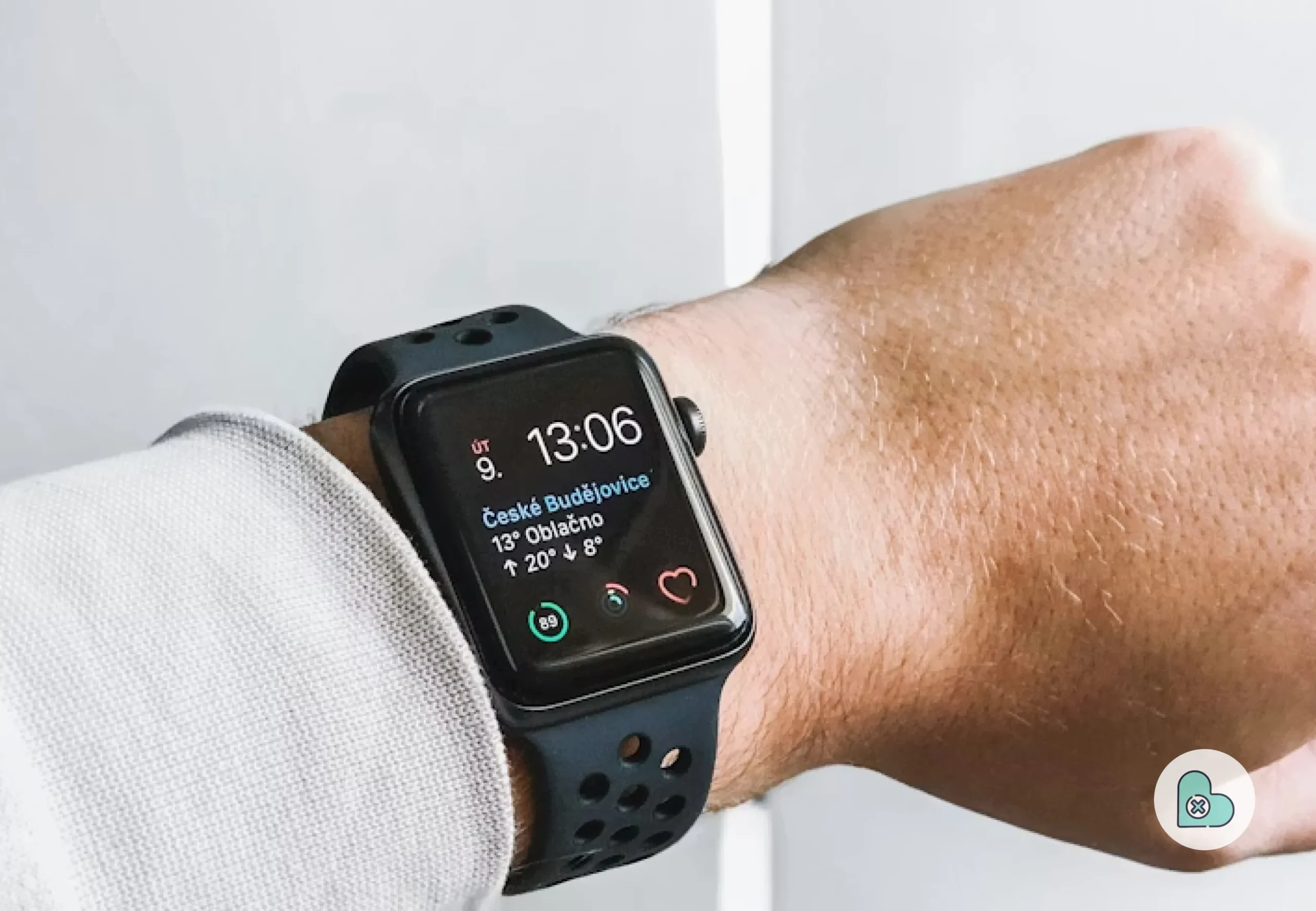
What Is Wearable Technology in Healthcare?
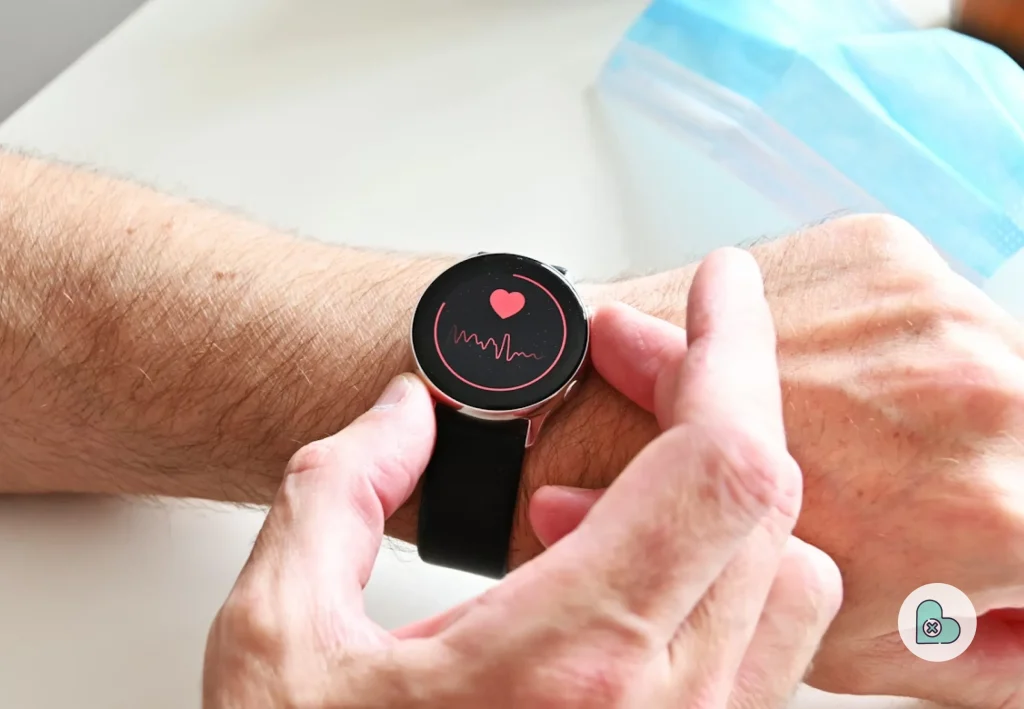
_ unsplash
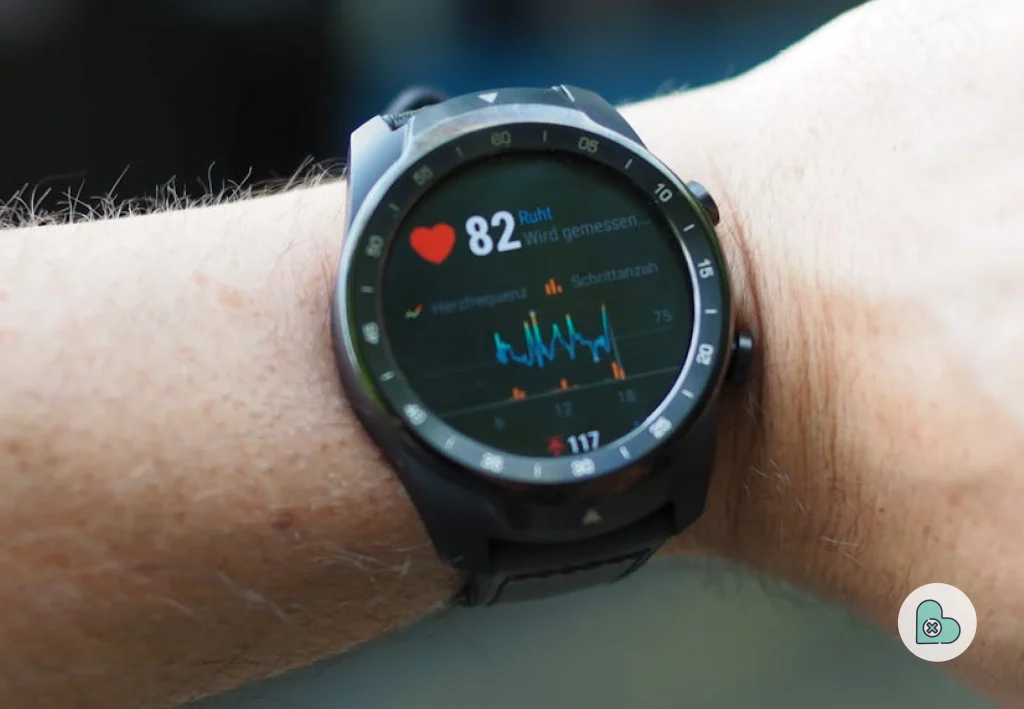
Wearable technology in healthcare refers to devices people wear to track their health and fitness data. Doctors, insurers, and health providers use this data to make better decisions. Common wearable devices healthcare examples include fitness trackers, blood pressure monitors, and biosensors.
With the rise of artificial intelligence, the game has completely changed. AI in wearable technology has pushed smart health devices from simple step counters to intelligent tools that analyze health metrics and deliver personalized insights in real time. That’s why the global wearable industry is expected to grow to $152.82 billion by 2029.
Despite their obvious potential, wearable health monitoring systems remain underused by many healthcare organizations. The honest challenge isn’t patient adoption — it’s integration. So, in practical healthcare settings, how can wearable data actually be used? Here are five approaches any digital health organization can implement without rebuilding its entire infrastructure.
1. Start with Remote Patient Monitoring (RPM)
The most immediate and scalable entry point for wearable data healthcare use cases is remote patient monitoring (RPM). Patient monitoring devices can continuously track heart rate, activity levels, and sleep patterns — giving care teams a real-time window into how a patient is actually doing between visits.
RPM programs work especially well for patients managing long-term conditions like diabetes, cardiovascular disease, or post-operative recovery. The key is to start small — pick one patient group, such as cardiac rehab patients, and build your workflow around them first.
Focus on three things to make RPM work:
• Alerts for abnormal patterns rather than every single data point
• Trend analysis to spot what’s changing week over week
• Clear escalation protocols so care teams know exactly what to do when an alert fires
2. Integrate Wearable Data into Existing IT Systems (EHR/EMR)
A common pain point is that healthcare wearable devices generate data that lives completely outside your clinical systems. Bridging that gap — connecting consumer-generated data to EHRs and EMRs — is what makes integrating wearable data with EHR systems so valuable, and so complex.
Key Considerations
Healthcare data interoperability is the first challenge. Different devices produce different data formats, and not all of them meet clinical standards. APIs and middleware are essential for normalizing data before it touches your EHR. Instead of dumping raw streams into your system, start by feeding summarized insights — like weekly heart rate trends or post-discharge activity drops — into your EMR. That’s the data clinicians can actually use.
Define which metrics are clinically relevant to your specific use case first. EMR wearable integration works best when it’s focused, not exhaustive.
3. Use Wearable Data to Improve Patient Engagement
Digital health wearables aren’t just tools for clinicians — they’re among the most powerful patient engagement tools in healthcare today. When patients can see their own data, something shifts. They become more invested in their care. They stick to treatment plans. They show up differently.
Practically, you can use wearable data to create simple dashboards that patients actually understand, send personalized reminders based on their activity trends, and let them track their progress during recovery. This approach is especially effective in telemedicine settings with limited in-person contact, where patient self-management matters most.
4. Address Security and Compliance Early
Any strategy around wearable technology in healthcare must treat security and compliance as foundational — not an afterthought. HIPAA compliance for wearable devices in the US and GDPR healthcare data compliance in Europe set strict rules around data collection, storage, and patient consent. Getting this wrong is costly — not just in fines, but in patient trust.
When working with vendors or building your own pipeline, make sure to verify:
• Secure, end-to-end encryption for all data in transit and at rest
• Transparent patient consent mechanisms — patients must know what’s collected and why
• Audit trails and role-based access controls that satisfy compliance frameworks out of the box
Build healthcare data privacy wearables protocols into your architecture from day one. Retrofitting security later is always harder and more expensive.
5. Focus on Use Cases, Not Data Volume
The biggest mistake organizations make with wearable health tech trends is trying to collect as much data as possible. More data doesn’t always lead to better results. In fact, it usually means more noise — and overwhelmed clinicians.
Before deploying any wearable health monitoring system, define your clinical goal clearly. For a cardiovascular monitoring device program, you may only need resting heart rate and activity trends. For diabetes monitoring wearables, glucose patterns and meal-time activity correlation matter most. Personalized healthcare insights from AI only work well when you feed the right data in — not everything at once.
What Are the Key Challenges to Consider
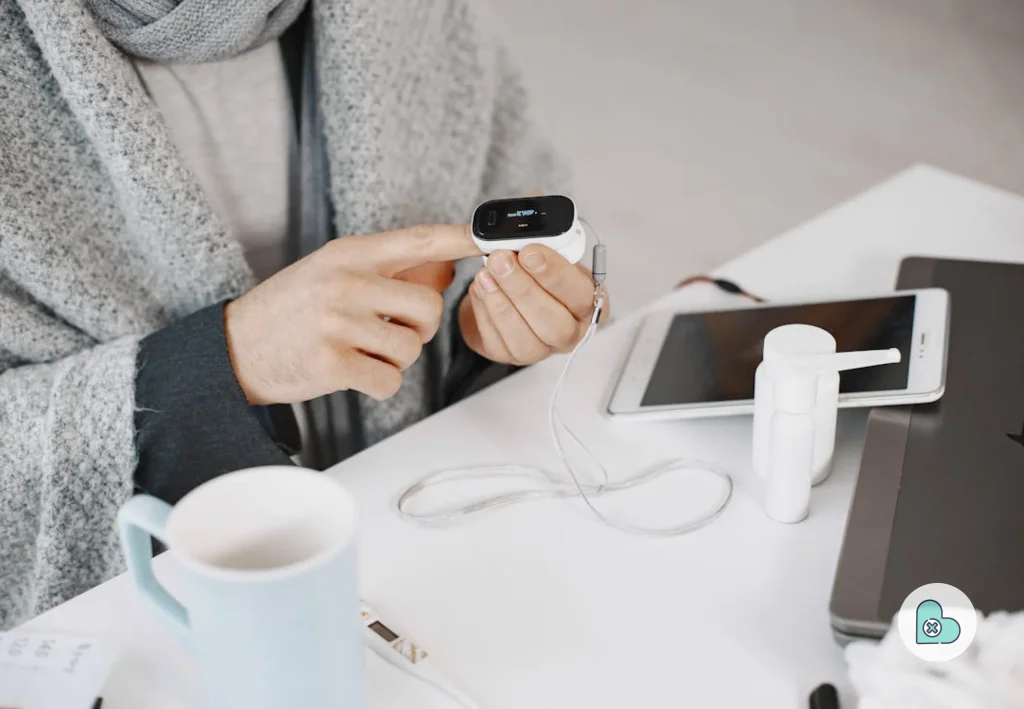
_ pexels
Despite the clear benefits, wearable tech challenges in healthcare are real. Here’s what to keep in mind:
• Healthcare data fragmentation: Wearable data comes from multiple platforms and devices, each with its own format. Standardization is still a work in progress.
• Data quality in wearable devices: Many consumer-grade devices are not built for clinical use. Accuracy and consistency vary widely.
• Healthcare IT integration of wearable devices: Connecting wearable data to existing EHR/EMR systems is technically complex and can disrupt existing workflows if done carelessly.
• Data overload: Continuous streams must be filtered and summarized before they reach clinicians, or they become noise.
• HIPAA and GDPR compliance: Strict regulations require safe data handling, clear consent management, and controlled access at every step.
The future of wearable technology in healthcare belongs to organizations that treat data as a tool, not a trophy. Start focused, stay compliant, and build from what works.
Powering Healthcare with Wearables
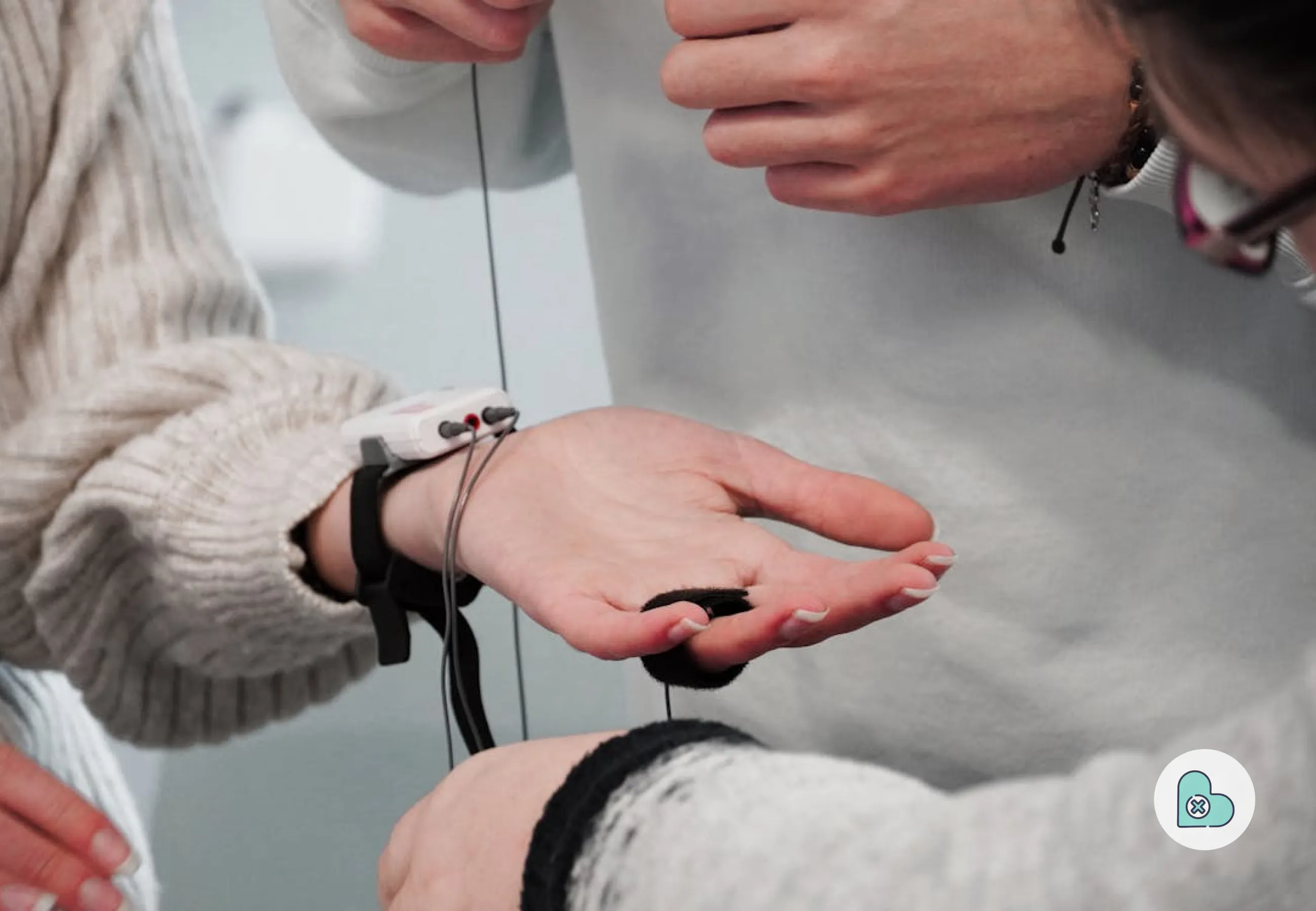
_ pexels
Wearable healthcare technology has the potential to change how we deliver care completely. But that potential only gets unlocked when the data is used in a smart, structured way. The organisations that win here won’t be the ones collecting the most data. They’ll be the ones who know exactly what to do with it.
Successful teams will start with focused use cases, integrate data into existing clinical workflows, and prioritise usability for both clinicians and patients. When done right, wearable health devices enable a move from slow, reactive care to a far more proactive, personal approach. Here’s how that looks in practice.
Some Popular Use Cases
_ pexels
Use Case 1: Health Facilities
“Know your patients beyond the exam room.”
Cardiology teams, chronic disease programs, sports medicine practices, and rehabilitation facilities all share the same blind spot: the clinical picture only updates when the patient walks through the door. What happens during the other 23.5 hours of the day stays completely invisible. That’s the gap remote patient monitoring in healthcare was built to close.
The Core Problem
A 30-minute appointment captures a snapshot. RPM wearable devices capture the full story. These teams need a structured, device-agnostic way to receive health data from whatever devices their patients already own — without issuing expensive hardware or forcing staff to go through yet another training program. Telling a cardiac patient to buy a specific device creates a $200–$400 barrier that kills program enrollment before it even starts.
How Open Wearables Solves It
Wearable data integration in healthcare platforms like Open Wearables lets clinics pull in HRV, heart rate trends, sleep, and activity data across any device the patient already wears. The clinic gets a unified data view. The patient keeps their Garmin, Apple Watch, or Whoop. Nobody has to change their habits.
Physicians can review the last 30 days of a patient’s sleep, activity, and recovery data before the appointment even opens. That kind of pre-consultation context makes clinical conversations sharper — and it makes patients feel genuinely seen, not just scanned. Self-hosted deployment also means a HIPAA-compliant architecture for wearable devices with full control over where data lives.
Use Case 2: Longevity & Wellness Studios
“One dashboard. Every member. Any device.”
Longevity clinics, biohacking studios, and functional fitness facilities have built their brand on personalised, data-informed programming. The problem? Their members show up wearing a variety of devices. Some wear Garmin. Some wear Whoop. Some wear an Apple Watch. Coaches end up asking “how do you feel?” instead of reviewing actual HRV monitoring data from wearables — not because they don’t care about the data, but because there’s no single place to see it.
The Core Problem
Running a coaching practice at the premium end of the wellness market while relying on gut feel is a gap. It’s also a business risk. Members paying for a high-touch, data-backed experience will notice when the coaching conversation is built on vibes instead of wearable health analytics. Studios need a way to aggregate member data across every device brand into one coherent view — without drowning their coaching staff in manual data collection.
How Open Wearables Solves It
A unified coach dashboard pulls readiness, recovery, sleep, and activity data from every member into a single view, regardless of what device they wear. AI-powered health monitoring layers on top to generate personalised weekly insight reports for each member automatically. That means a coach running 40 online clients can spot that three of them show declining HRV across 10 days, poor sleep scores, and increasing training volume — and proactively adjust their programs before burnout or injury happens. No screenshot requests. No manual tracking. Just real personalized healthcare wearable technology at scale.
Use Case 3: Research Institutions & Academic Labs
“Stop building pipelines. Start generating insights.”
Exercise scientists, sleep researchers, and epidemiologists share a frustrating reality: too much of their time is spent on data plumbing rather than on actual research. Without a standardized way to collect from multiple device types, teams build custom pipelines for every study. Each one is slightly different. None of them is reusable. And most researchers are not engineers — they shouldn’t have to write SQL or Python just to ask basic questions about their own cohort data.
The Core Problem
Requiring all study participants to use the same device hurts recruitment, reduces real-world validity, and increases dropout risk. A participant who already owns an Apple Watch is unlikely to switch to a Whoop for a six-month longitudinal wearable study. And the open-source model matters here specifically — academic procurement timelines make paid SaaS tools a real barrier for labs that want to get started.
How Open Wearables Solves It
Multi-device wearable integration lets research teams collect and normalize data from participants using different devices without enforcing a single-device protocol. This improves study inclusivity, reduces hardware-driven dropout, and makes findings more ecologically valid. On top of that, AI in healthcare wearables lets researchers explore their datasets conversationally — a sleep scientist can ask about cohort trends without ever writing a line of code. That kind of wearable tech for academic research doesn’t just save time; it also enhances research quality. It changes what questions are even possible to ask.
Future Trends in Wearable Health Technology
The future of wearable health technology looks nothing like today’s smartwatches. New form factors are already in development — and some are already here. We’re moving into a world where health monitoring disappears entirely from daily life.
Some of the most significant advances coming include:
• Wearable patches in healthcare that image internal organs like the heart without an ultrasound operator
• Wearable drug delivery patches that deliver medications painlessly through dissolvable microneedles
• Neuromodulation wearable devices — headsets and garments that manage chronic conditions without drugs
• Smart rings for health tracking that monitor vital signs and are worn more consistently than wrist devices
• E-tattoos for health monitoring — ultra-thin electronics that stick to skin and capture physiological data comfortably
• Smart contact lenses in healthcare that monitor biomarkers for disease in real time
• Battery-free wearable devices that solve the single most frustrating user experience problem in wearables today
Machine learning in wearable technology will power it all — turning passive tracking devices into proactive health coaches that understand your patterns, flag risks early, and offer guidance that actually fits your life. Predictive healthcare analytics from wearables will shift the entire care model from reactive treatment to genuine prevention.
Conclusion
Wearable healthcare technology is not a trend on the horizon. It’s a transformation already underway in clinics, coaching studios, and research labs around the world. Smart wearable devices in healthcare now act as personal health guardians — tracking heart rate variability, blood oxygen, sleep quality, and dozens of other signals that were previously invisible between appointments.
The real power doesn’t come from the devices themselves. It comes from what happens when AI in healthcare wearables processes that data, spots patterns humans would miss, and surfaces insights that drive real clinical decisions. That’s the shift that matters.
Challenges still exist. Wearable data challenges in healthcare — from healthcare data standardization issues to clinical reliability of wearable devices — are real and require thoughtful strategy. Users sometimes abandon devices because the data overwhelms them or the readings aren’t precise enough for clinical decisions. These aren’t reasons to slow down. There are problems to design around.
The organisations that lead in wearable technology trends 2026 won’t be the ones with the most devices deployed. They’ll be the ones who built proactive healthcare technology into their workflows — starting with focused use cases, carefully integrating data, and keeping both clinicians and patients at the center of every decision. That’s not just a good technology strategy. That’s the future of healthcare.





Leave a Reply