

How to Build a Better Booty
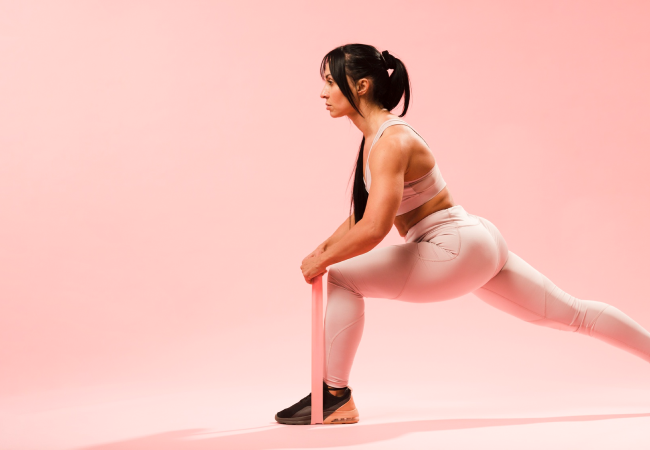
Building a better booty takes effort. Every fitness expert agrees on this. You need hard work, dedication, heavy weights, and a good diet. There are no shortcuts.
This plan gives you a clear path. Follow it for the next 30 days. You will see the change. You will feel the change.
Your 30-Day Booty Workout Plan

This program mixes heavy lifting and lighter training. Both are important for results.
Heavy Training Days (3 Days a Week)
On three days each week, focus on strength.
You will do:
- Heavy squats
- Heavy lunges
Before you start, always warm up. Lift close to failure, but keep good form. Use a spotter for safety.
As the weeks go on, reps go down. Weights should go up. Only increase weight if your form stays correct. These heavy days drive muscle growth. They build strong and round glutes.
Light Training Days (Other Days)
On the remaining days, slow things down.
Use:
- Bodyweight exercises
- Resistance band workouts
These add training volume. They target the whole posterior chain. This helps shape and balance your muscles.
For many people, weight loss and health go hand in hand. This connection matters. Health is more than body weight. But research shows a clear pattern.
Rising obesity links to:
- Metabolic disease
- Heart problems
- Long-term health risks
You should not focus only on weight loss. Health always comes first. Still, if weight loss is your goal, this program helps.
Why This 4-Week Program Works
This 4-week workout plan boosts your metabolism. It helps your body burn more energy.
It supports:
- Fat loss
- Muscle growth
- Better fitness
Stay consistent. Train smart. Fuel your body well. This plan kick-starts your fitness journey and supports long-term results.
4-Week Weight Loss Program
If you want to lose weight effectively, a structured approach works best. This 4-week weight loss program combines three key types of training:
- Upper and lower body strength training
- Interval training/conditioning
- Low-intensity cardio
Each component serves a purpose. Strength training helps you build muscle. More muscle means a faster metabolism. This allows your body to burn more calories even at rest, helping you maintain a calorie deficit for weight loss.
Interval training gives your metabolism a substantial boost right after workouts. This method uses short bursts of high-intensity exercise followed by brief rest periods. It keeps your heart rate elevated, provides excellent aerobic benefits, and boosts your metabolism.
Low-intensity cardio, such as walking, light jogging, swimming, or cycling, slightly increases your daily calorie burn. It’s gentle on your muscles, helping you recover from heavier workouts. You can do 20 minutes or even an hour, depending on your schedule.
Each session in this program takes roughly 20–22 minutes. This makes it perfect for busy lifestyles while still targeting fat loss on multiple fronts: daily calorie burn and improved metabolism over time. Start light and increase weight gradually until the final repetition feels challenging.
Week 1
Day 1: Lower Body Strength
Equipment: dumbbells, kettlebells, barbell, leg curl, and leg extension machines.
- 3×12 dumbbell/kettlebell goblet squat
- 3×12 barbell or kettlebell deadlift
- 3×20 walking lunge with dumbbells (10 per side)
- Optional: 3×12 leg curl and extension
This is your foundational Lower Body Training. Focus on form first. Use moderate weight and complete each set with control.
Day 2: Low Intensity Cardio
Spend at least 20 minutes walking, jogging, or cycling. Outdoor sessions boost energy and mood. The goal is recovery while maintaining a light calorie burn.
Day 3: Upper Body Strength
Equipment: pullup bar, lat pulldown machine, dumbbells.
- 3×12 pullup or lat pulldown
- 3×12 dumbbell overhead press
- 3×12 dumbbell row
- 3×12 dumbbell bench press
- Optional: 3×12 biceps curl and triceps extension
Start with a warmup set. This activates muscles and prevents injury.
Day 4: Low Intensity Cardio

Repeat Day 2. Keep the pace light but steady. Twenty minutes is enough to enhance aerobic benefits.
Day 5: Interval Conditioning
Equipment: plyometric box, slam ball.
Perform each exercise for 15 seconds at a hard pace, then rest for 15 seconds. Repeat for three rounds:
- Squat or jump squat
- Box step-up or power step-up
- Alternating lunge or jumping lunge
- Lateral box step-up or ice skater
- Burpee
This session targets large muscle groups, keeping your heart rate high and boosting metabolism.
Week 2
Week 2 follows the same exercises as Week 1 but increases intensity. Perform a warmup set first, then move to the weights you used last week. Try to increase weight slightly for each set.
Cardio intensity or duration should increase 5–10%, keeping it manageable for at least 20 minutes.
For conditioning, complete four rounds instead of 3.
Day 1: Lower Body Strength
- 3×12 goblet squat
- 3×12 barbell/kettlebell deadlift
- 3×20 walking lunge
- Optional: 3×12 leg curl and extension
Perform a light warmup set before your working sets. Focus on strength growth.
Day 2: Low Intensity Cardio
Increase aerobic intensity slightly. Walking, light jogging, or cycling works well.
Day 3: Upper Body Strength
- 3×12 pullup or lat pulldown
- 3×12 dumbbell overhead press
- 3×12 dumbbell row
- 3×12 dumbbell bench press
- Optional: 3×12 biceps curl and triceps extension
Remember your warmup set for better performance and injury prevention.
Day 4: Low Intensity Cardio
Maintain 20+ minutes, keeping your metabolic boost active without overtaxing muscles.
Day 5: Interval Conditioning
Perform each exercise for 15 seconds, then rest for 15 seconds. Repeat for four rounds:
- Jump squat
- Power step-up
- Jumping lunge
- Ice skater
- Burpee
Focus on muscular endurance and heart rate elevation for calorie burn.
Week 3
Week 3 shifts to 3×8 sets for resistance exercises. Reducing repetitions allows you to increase weight, promoting strength growth and muscle building.
Cardio intensity rises another 5–10%. Interval training extends to 5 rounds.
Day 1: Lower Body Strength
- 3×8 barbell back squat or goblet squat
- 3×8 barbell/kettlebell deadlift
- 3×16 walking lunge (8 per side)
- Optional: 3×10 leg curl and extension
Start with a warmup set. Focus on proper form, especially with heavier weights.
Day 2: Low Intensity Cardio
Increase time or intensity slightly. 20–30 minutes is enough to maintain daily calorie burn.
Day 3: Upper Body Strength
- 3×8 pullup or lat pulldown
- 3×8 barbell/dumbbell overhead press
- 3×8 barbell/dumbbell row
- 3×8 barbell/dumbbell bench press
- Optional: 3×10 biceps curl and triceps extension
Day 4: Low Intensity Cardio
Keep the pace light. Your muscles need recovery from heavier strength days.
Day 5: Interval Training/Conditioning

Perform exercises for 15 seconds at a hard effort, then rest for 15 seconds. Complete five rounds:
- Jump squat
- Power step-up
- Jumping lunge
- Ice skater
- Burpee
This week intensifies your weekly plan body workout, building strength and endurance.
Week 4
Week 4 continues the progression. Strength exercises get heavier, cardio intensity increases, and conditioning expands to 6 rounds. If it feels too intense, adjust as needed.
Day 1: Lower Body Strength
- 3×8 barbell back squat or goblet squat
- 3×8 barbell/kettlebell deadlift
- 3×16 walking lunge (8 per side)
- Optional: 3×10 leg curl and extension
Day 2: Low Intensity Cardio
Add 5–10% more time or intensity than Week 3.
Day 3: Upper Body Strength
- 3×8 pullup or lat pulldown
- 3×8 barbell/dumbbell overhead press
- 3×8 barbell/dumbbell row
- 3×8 barbell/dumbbell bench press
- Optional: 3×10 biceps curl and triceps extension
Day 4: Low Intensity Cardio
Maintain 20+ minutes to aid recovery while boosting metabolism.
Day 5: Interval Training/Conditioning
15 seconds per exercise, 15-second rest. Complete six rounds:
- Jump squat
- Power step-up
- Jumping lunge
- Ice skater
- Burpee
This final week solidifies gains. You’ll notice increased strength, muscle growth, and a stronger metabolism.
What Is a Healthy 4-Week Weight Loss Goal?
A healthy 4-week weight loss goal is realistic and sustainable. Experts recommend losing 1 pound of body fat per week. This typically requires a 500-calorie deficit each day. You can aim for a slightly higher deficit using a structured program, but this can be challenging for most people.
Remember, losing a pound of fat per week often results in more than a pound of scale weight lost. This is because water retention decreases as you shed fat. Even small changes matter. If you are overweight, losing just a few pounds can lead to significant health improvements, including better energy, lower blood pressure, and improved metabolism.
Using the 4-Week Program to Kick-Start Weight Loss
Think of my 4-week program as a tool to kick-start weight loss, not a one-time solution. Weight loss and weight maintenance are long-term processes. The program sets the foundation for long-term weight loss by combining strength training, Lower Body Training, and a weekly plan body workout routine.
You can extend the program beyond four weeks if you want. For instance, perform 12-rep sets for 8–12 weeks before switching to 8-rep sets. This creates a 16-week program rather than a 4-week one. Extending the program helps you gradually build muscular endurance, increase strength, and improve lower-body training performance.
Finding Exercise You Enjoy
As you progress, you’ll discover your exercise preferences and favourite specific movements. Focus on what you enjoy most.
- If you love strength training, consider a comprehensive strength program or hire a personal trainer.
- If conditioning workouts excite you, increase them to 2–3 sessions per week. Joining a group fitness class can boost motivation.
- If long, slow cardio appeals to you, gradually increase endurance through running, swimming, or other aerobic training.
The key is to stick to a consistent exercise routine. Long-term adherence matters more than perfect program optimisation.
Benefits of a Weekly Plan Body Workout
A consistent weekly plan body workout provides several advantages:
- Improves lower-body training strength and tone.
- Increases daily calorie burn, aiding a 500-calorie deficit.
- Supports sustainable long-term exercise habits.
- Helps with overall muscle building and metabolic boost.
- Enhances recovery and reduces injury risk through structured routines.
Following this type of plan ensures that body fat loss happens safely while maintaining muscular endurance and overall fitness.
Wrapping Up
While a 4-week program is effective, the goal is sustainable weight loss. Think of it as a foundation for ongoing health. By exploring exercises you enjoy, you’ll naturally maintain motivation. Over time, your lower-body training and full-body workouts will improve.
Consistency is key. A weekly bodybuilding workout plan, combined with proper diet and recovery, sets the stage for long-term success. Small, realistic changes compound over time, creating lasting health improvements. Focus on exercise types you love rather than chasing short-term results.In summary, aim for 1 pound per week, track your progress, and adjust your Lower Body Training and workouts based on preferences. This approach ensures you achieve a healthy 4-week weight-loss goal safely while building habits for long-term weight loss and fitness.




Leave a Reply