

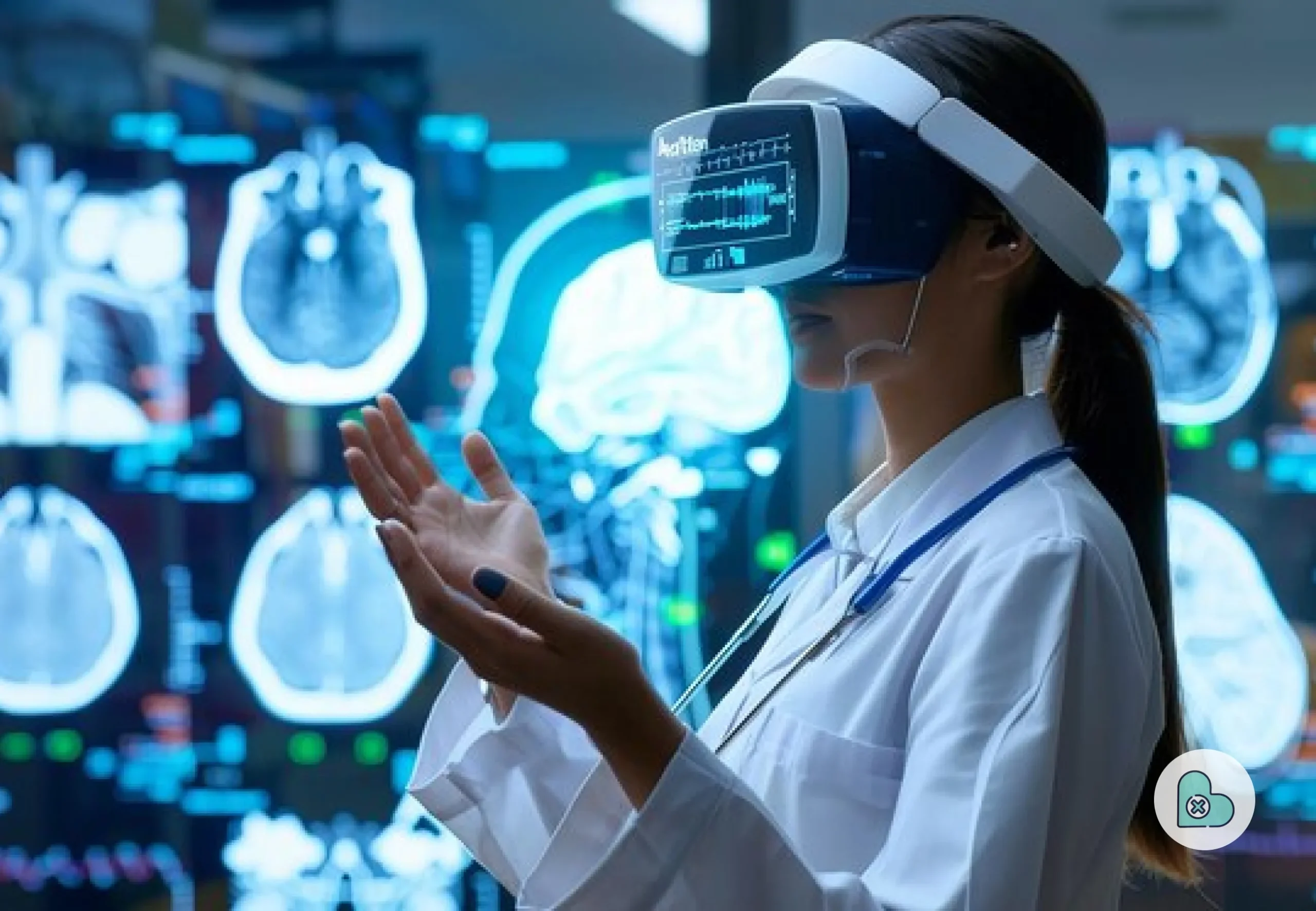
What Is Augmented Reality and Virtual Reality?
_ nattysiri _ freepik
Augmented Reality in healthcare blends digital images with the real world. You see it through a phone, tablet, or headset. The screen adds useful visuals to real surroundings. This is how AR in medical devices works. It enhances what doctors already see. Many experts call it part of AR/VR healthcare technology, or even extended Reality.
Virtual Reality in healthcare is different. It creates a fully digital world. A headset blocks your real view. You step into a 3D space that feels real. This type of immersive healthcare technology allows deep focus and interaction. Both systems are now key parts of digital health innovation and modern care.
Real Examples of AR and VR in Medicine
_ DC Studio _ freepik
Today, AR and VR in medical devices already help patients.
For example:
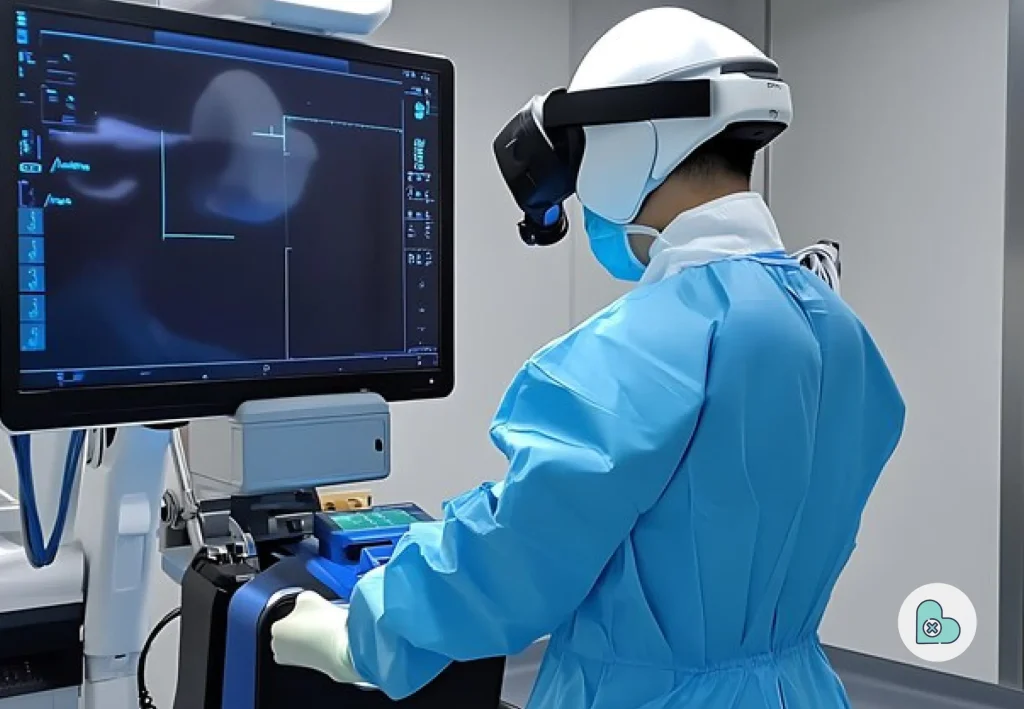
- AR-guided surgery overlays scans on a patient’s body during operations. This improves accuracy and supports the use of the AR surgical navigation system.
- VR for PTSD treatment helps veterans safely process trauma in a controlled space.
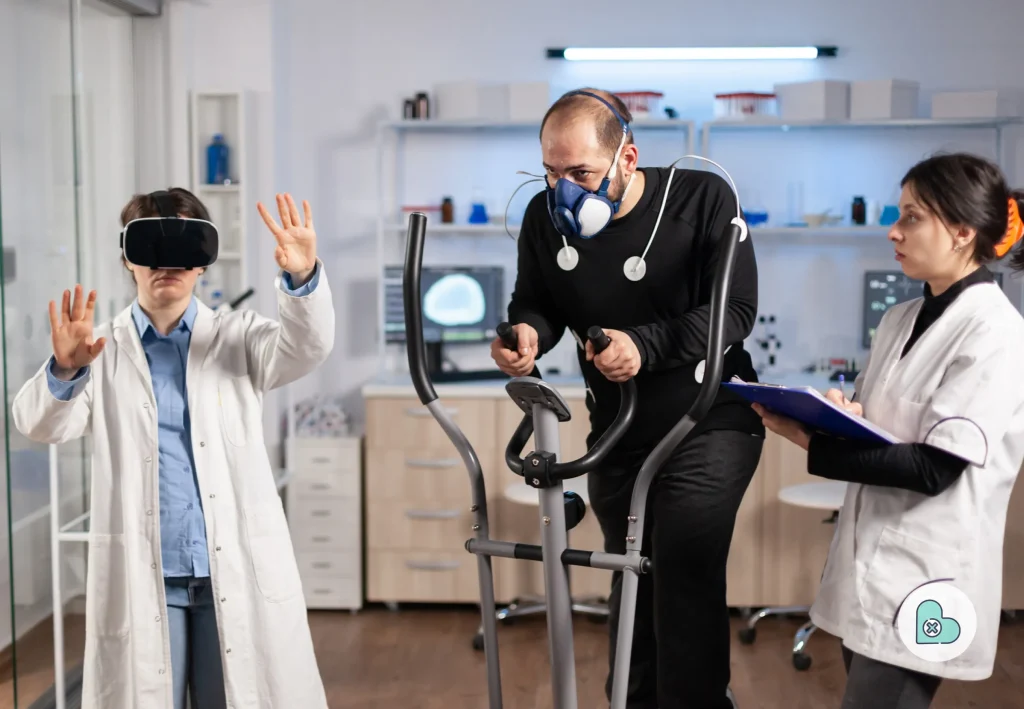
- VR rehabilitation therapy supports stroke recovery. It simulates daily tasks and improves movement.
These AR/VR healthcare technology solutions demonstrate real clinical value. Hospitals now explore more AR and VR clinical applications across departments.
How AR and VR Impact Medical Devices
Auyob-Masih-_-freepik-1-1-scaled
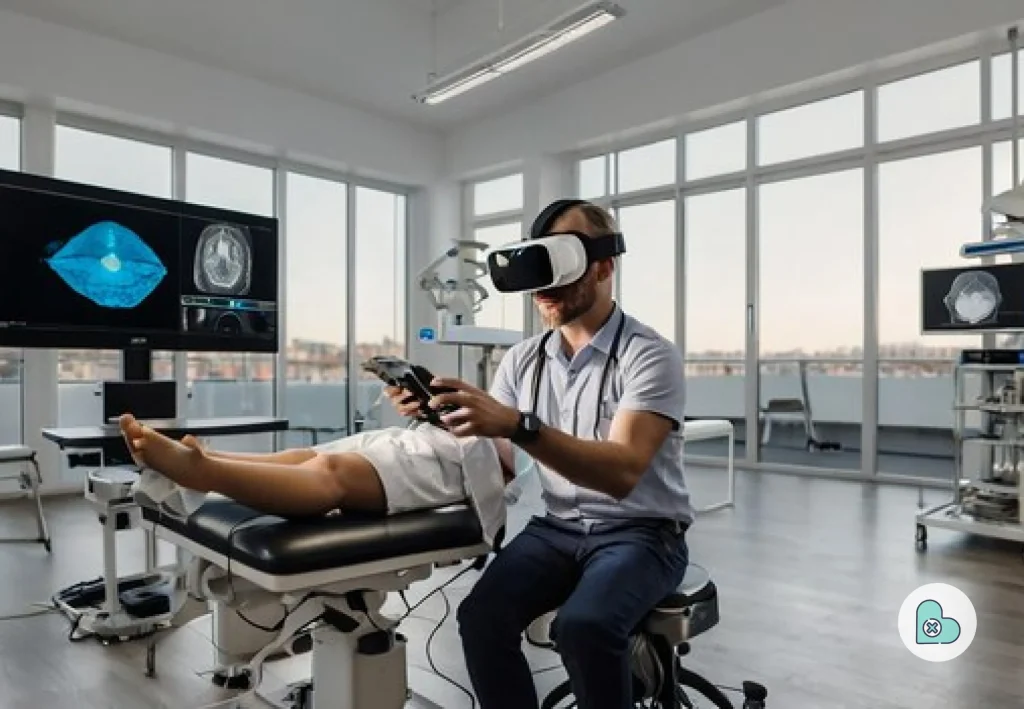
The impact of Augmented Reality and Virtual Reality in healthcare is growing rapidly. These tools improve treatment planning, patient monitoring, and training. They also increase engagement. Patients often complete therapy more consistently when using VR rehabilitation therapy or guided AR systems.
Medical fields using AR in medical devices and VR in medical devices include:
- Pediatric diagnostics
- Pain management
- Mental health
- Neurological disorders
- Surgery planning and intraoperative care
- Telemedicine and virtual care
- Post-operative rehabilitation
This growth reflects strong trends in healthcare technology shaping the future of medicine.
Benefits and Risks of AR/VR in Healthcare
Like any digital health innovation, benefits and risks both exist.
Probable benefits include:
- Better access to care through virtual care tools
- Faster preparation using immersive medical training
- Reduced anxiety before surgery
- Less invasive procedures
- Faster diagnoses
- Support for self-directed care
However, the risks associated with AR/VR devices must be addressed.
Possible risks include:
- Cybersickness in VR
- Head and neck strain
- AR VR cybersecurity risks
- AR VR privacy risks
- Distraction during surgery
There may also be unknown side effects, especially in children. Experts continue to study the side effects of AR and VR in pediatrics, as well as the potential health disparities associated with these technologies.
Applications of AR/VR Technologies in the Healthcare Sector
-_-drobotdean-_-freepik–scaled
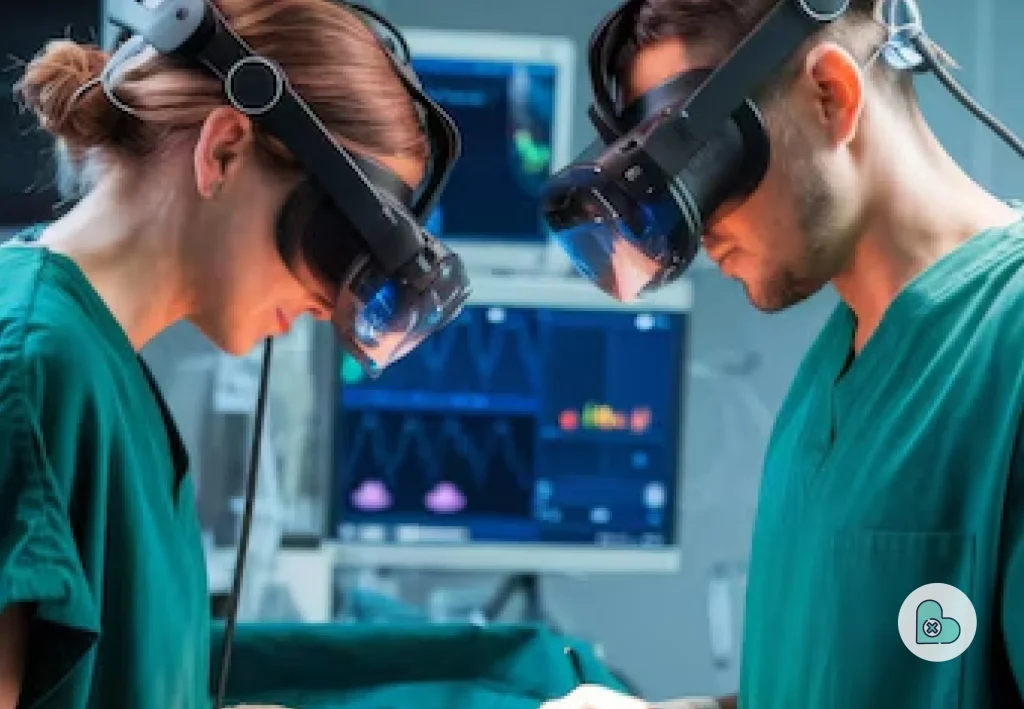
Augmented and Virtual Reality in healthcare are changing how doctors treat patients. Today, AR and VR in healthcare are not just trends. It is real progress. Many hospitals now use AR and VR technologies, as well as AR/VR medical devices, to improve care, training, and recovery. These powerful AR/VR applications in healthcare support safer procedures and better outcomes. With smart healthcare AR/VR solutions and advanced AR/VR wearable devices, medical teams can work faster and with greater confidence. This shift shows strong growth in immersive healthcare technology and digital healthcare innovation.
Surgery and Treatment
AR VR in surgery helps doctors plan before they operate. With AR VR surgical planning, surgeons review every step in advance. Tools like 3D imaging in healthcare, surgical navigation technology, and computer-assisted surgery improve accuracy. Many experts now rely on AR/VR surgical applications for complex cases.
These tools are widely used in:
- AR VR in orthopedics and AR VR spine surgery
- AR VR neurosurgery
- AR VR laparoscopic surgery
Some systems even support remote surgery technology through live streaming. This improves precision and reduces risk. These are clear AR VR healthcare benefits.
Medical Training and Education
AR VR in medical training gives students hands-on practice without real danger. Through AR/VR medical education, learners explore anatomy and device handling in a safe environment. Medical Augmented Reality and Medical Virtual Reality create realistic simulations.
With immersive medical simulation, doctors can repeat complex procedures many times. This builds skill and confidence. It also reduces ethical concerns. That is why many hospitals invest in extended Reality in healthcare and XR in medical devices.
Diagnosis and Telehealth
Doctors now use AR and VR diagnostic tools to make faster decisions. With AR/VR real-time patient monitoring, they can track reports, scans, and vital signs remotely. AR/VR telehealth and AR/VR remote consultation reduce hospital visits. These smart virtual healthcare solutions improve access to care.
However, experts also review AR/VR healthcare risks, such as cybersecurity, patient privacy, and cybersickness in VR. Strong data systems protect patients and support safe AR VR patient care.
Rehabilitation and Pain Management
AR VR rehabilitation supports stroke and injury recovery. Through AR VR rehabilitation therapy and gamified physical therapy, patients practice daily tasks in a virtual space. This improves balance and reflexes. These AR VR therapy solutions keep patients motivated.
For pain relief, AR VR pain management offers powerful results. VR pain relief therapy reduces discomfort without heavy drugs. Some hospitals even use VR for pain management during childbirth.
In mental care, AR VR mental health treatment, AR VR psychotherapy, VR anxiety treatment, and AR VR stress management therapy help patients face fears in controlled settings.
Latest Activities in AR/VR Healthcare
Innovation continues. The Fresenius AR training program enhances staff AR/VR training in the ICU. The Ocutrx DigiLoupe AR headset enhances visualization during spinal surgery. AppliedVR RelieVRx supports chronic pain care. Osso VR surgical training works with Apple Vision Pro healthcare tools. The FDA home healthcare hub promotes home-based care through AR- and VR-enabled medical wearables.
These updates reflect strong healthcare technology trends and rising AR VR healthcare innovation in 2026.
Augmented and Virtual Reality in healthcare now shape modern medicine. With smart AR VR technologies, the future of patient care looks safer, faster, and more connected.
Driving Factors of AR/VR in Healthcare
Augmented and Virtual Reality in healthcare are growing rapidly. Today, AR VR in healthcare is changing how hospitals train staff and treat patients. Many clinics now use advanced AR/VR technologies and smart AR/VR medical devices. This steady rise is driving strong growth in the AR/VR market worldwide.
Why AR/VR Is Growing Fast
1. More Use in Hospitals
There is strong AR VR adoption in hospitals today. Doctors use AR and VR medical training tools to practice before real procedures. Programs like AR/VR laparoscopic surgery training and AR/VR knee replacement surgery help improve skills. This type of medical simulation technology makes procedures safer and more precise.
2. Better Patient Safety
Patient safety is a top priority. Strong AR VR patient safety systems help reduce mistakes. An AHRQ medical simulation study showed major AR VR error reduction when doctors were trained in virtual settings. By improving practice with AR/VR medical devices and wearables, teams perform with greater confidence.
3. Rise in Chronic Diseases
Chronic illnesses like heart disease and cancer cause many deaths worldwide. Because of this, hospitals use AR/VR for chronic disease management and for training in AR/VR disease diagnosis. These powerful AR VR applications in healthcare help doctors detect problems early and treat them faster.
4. Need for Advanced Medical Education
Healthcare is becoming more complex. That is why strong AR VR medical education and immersive medical learning are important. Through hands-on training with AR/VR devices, students learn in a safe, controlled space.
5. Growth of Connected Healthcare
Modern systems depend on connected healthcare services. Tools like IoT in healthcare, AI in healthcare devices, and machine learning in medical devices support better care. This shift increases investment in AR/VR healthcare and accelerates the digital healthcare transformation.
Challenges of AR/VR in Healthcare
Despite strong growth, challenges in AR/VR healthcare persist.
Cybersecurity is a big concern. AR VR cybersecurity risks and AR VR data privacy concerns require strict AR VR patient data protection.
There are also AR VR standardization issues. Different medical simulation regulations create challenges for AR/VR integration across countries.
Cost is another barrier. AR/VR high-cost devices and complex production processes limit access. This leads to accessibility issues in AR and VR and affects the affordability of AR and VR healthcare.
Finally, more testing tools are needed. Proper AR VR clinical validation, AR VR usability assessment, and AR VR safety evaluation are essential for a smooth AR VR regulatory approval process.
Even with these AR VR healthcare barriers, ongoing AR VR innovation in healthcare continues to drive growth and improve patient care.
Popular Use-Cases
Use Case 1: AR for 3D Body Mapping
Surgery is not easy. Doctors need to see clearly before they operate.
AR (Augmented Reality) helps them do that.
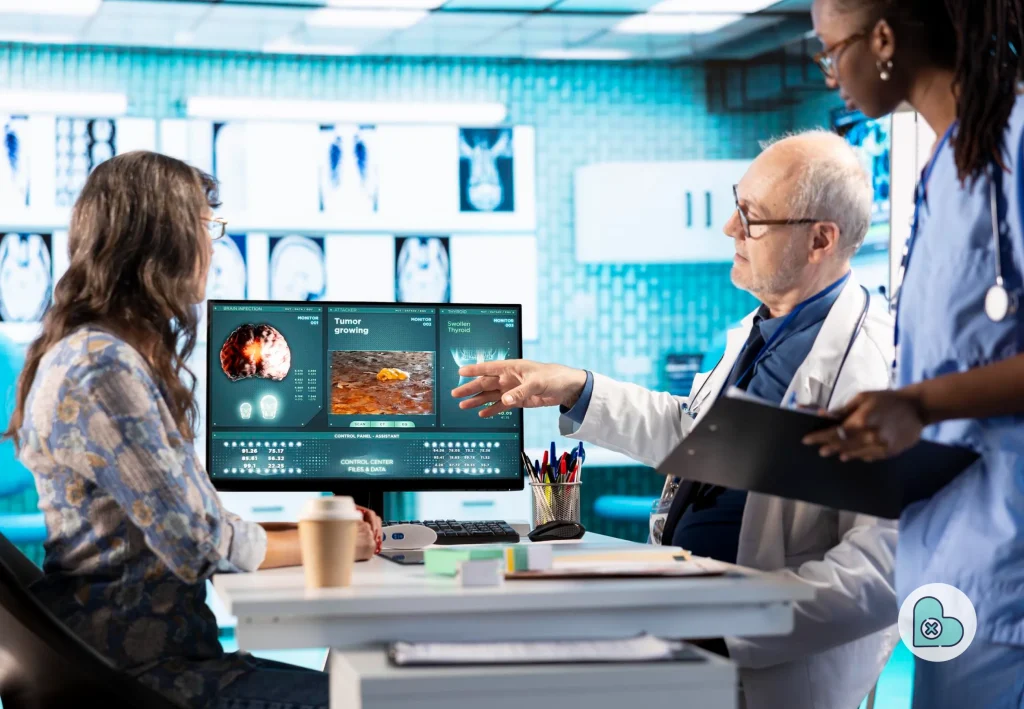
With AR, doctors can turn MRI and X-ray scans into a 3D view of the body.
They can see organs, bones, veins, and tissues in real time.
This helps doctors:
- Find tumors faster
- Detect inflamed areas
- Plan surgeries better
- Perform more accurate biopsies
During surgery, AR also guides doctors step by step.
This makes procedures safer and more precise.
Real-Life Example
Iowa Spencer Hospital started using AR in daily procedures.
The results were impressive:
- Biopsy success improved by 50%
- Aneurysm surgery accuracy increased by 30%
This shows how AR can improve real medical outcomes.
Key Benefits
- Clear 3D view inside the body
- More accurate surgeries
- Better decision-making
- Improved patient safety
Use Case 2: VR for Mental Health Treatment
Mental health problems are increasing.
Many people feel nervous about therapy or medication.
VR (Virtual Reality) offers a new solution.
With VR therapy, patients wear a headset and enter a safe virtual world.
They can do therapy sessions from home.
VR helps with:
- Anxiety
- Depression
- Phobias (like fear of crowds or spiders)
- Stress
Doctors use VR for:
- Guided meditation
- Breathing exercises
- Exposure therapy
- Cognitive behavioral therapy
Patients slowly face their fears in a safe environment.
This builds confidence and reduces anxiety.
Real-Life Example
XRHealth provides VR therapy through a virtual clinic.
Studies show that many patients successfully reduce anxiety and fear using VR treatment.
Key Benefits
- Drug-free treatment option
- Safe and controlled therapy sessions
- Convenient at-home access
- High success rate
AR and VR are changing healthcare.
They make treatment safer, smarter, and more effective.
Conclusion
AR and VR are changing healthcare in a big way.
Doctors now use these tools for:
- Better diagnosis
- Clear medical images
- Safer surgeries
- Managing long-term diseases
Fields like eye care and mental health are improving fast with VR.
VR tools also help in telemedicine. Patients can get care from home.
Many AR and VR devices are still being tested in clinical trials.
Experts are working hard to:
- Make devices easy to use
- Get government approvals
- Train doctors and staff
- Improve patient safety
The future is bright.
AR and VR can help doctors better treat patients.
They can improve medical training.
They can make treatments faster and more accurate.
Soon, AR and VR will play a bigger role in surgeries and hospitals.
These tools will help create safer care and better patient outcomes.





Leave a Reply