

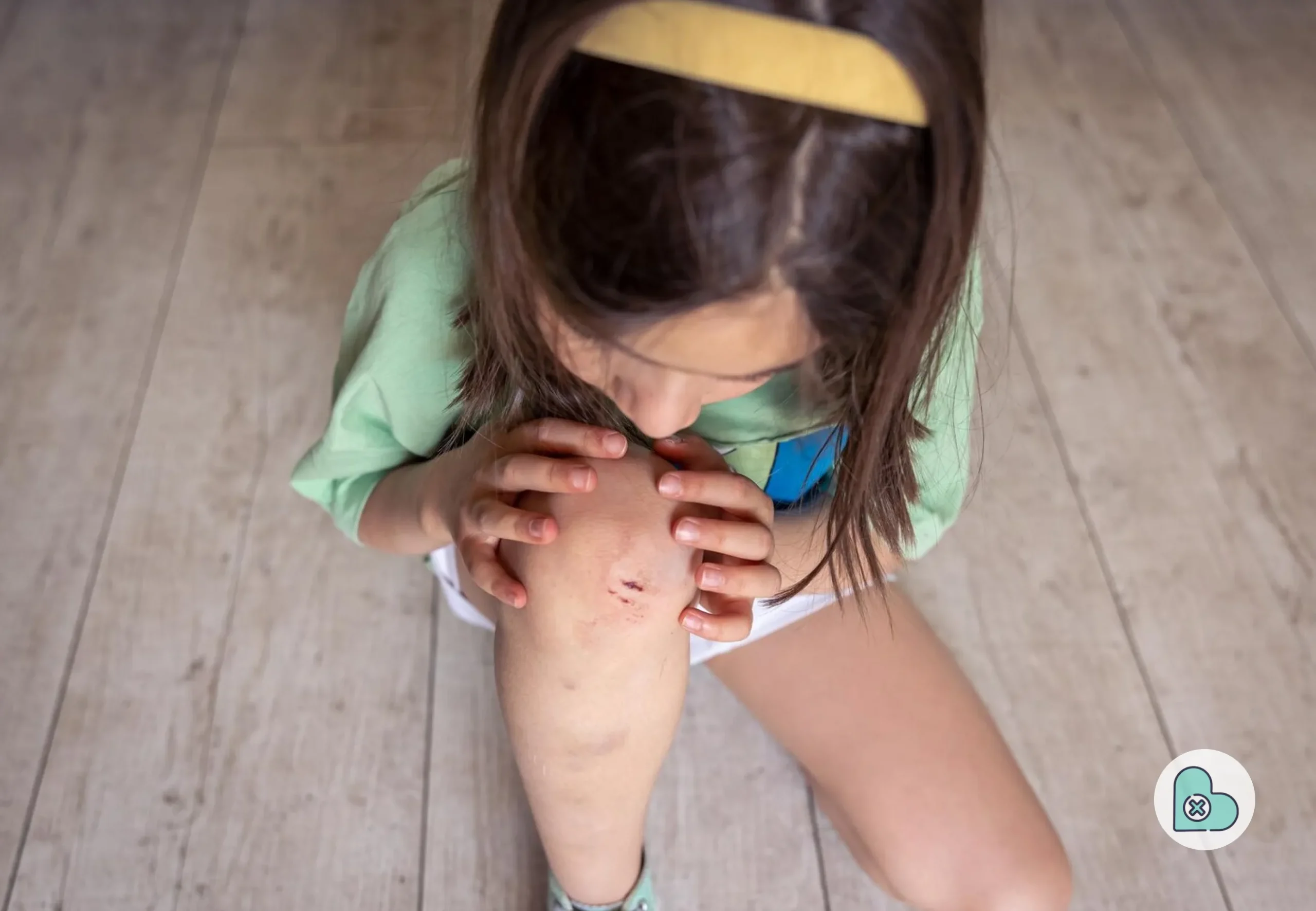
Getting bitten by bugs can feel scary at first. A small red bump suddenly appears. It may itch, burn, or swell. Most people immediately wonder what caused it. The good news is simple.
Most insect bites and insect stings are harmless. They normally go away after a few days. These common bug bites usually cause mild irritation, small swelling, and temporary itching.
But not every bite is harmless.
Some dangerous insect bites, such as those from venomous insects, can cause severe reactions. For example, fire ant bites, bee stings, hornet stings, and wasp stings may lead to intense pain or swelling. In rare cases, people develop an allergy to insect bites or even anaphylaxis, a life-threatening emergency.
Certain spiders also pose risks. A bite from a black widow or brown recluse spider may need immediate medical care. That is why bug bite identification matters. When you know the types of bug bites, you can quickly recognize bug bite symptoms, choose the right bug bite treatment, and avoid serious complications.
Let’s break down the most common bug bites, how to identify them, and what you should do next.
Mosquito Bites
_freepik
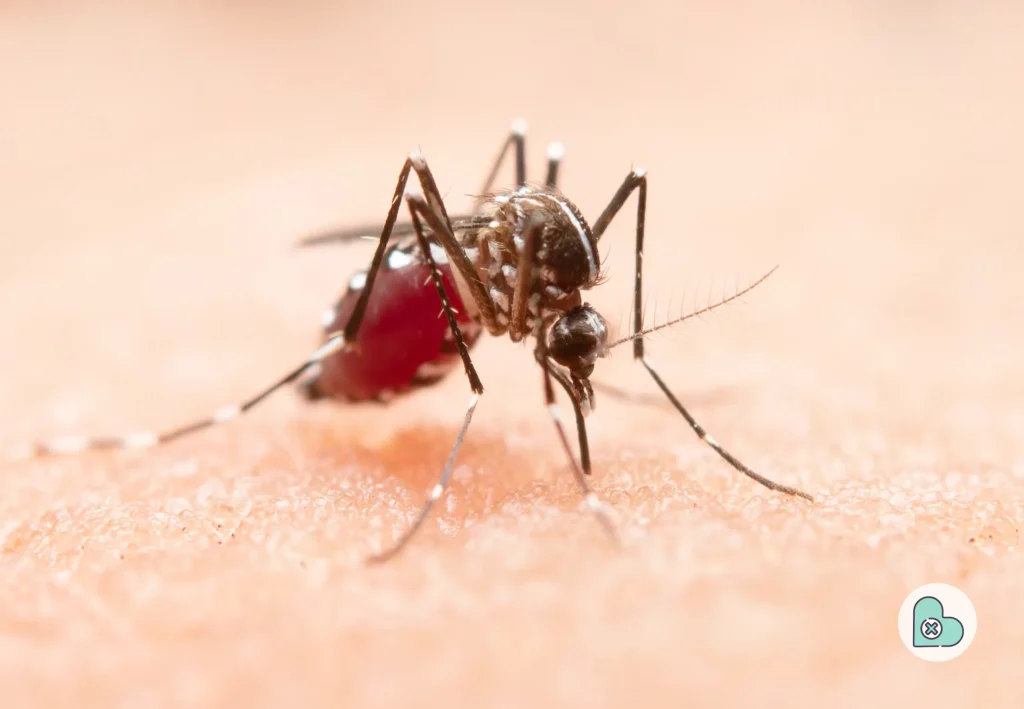
Among all types of bug bites, mosquito bites are the most common worldwide. A typical mosquito bite appears as a small, round, raised bump. The skin usually turns pink or red. These red bug bite marks can appear within minutes after the bite.
Most people experience:
- Mosquito bite itching
- Mild swelling
- Slight redness
These bug bite symptoms usually disappear within a few days.
Although most mosquito bites are harmless, mosquitoes can carry mosquito-borne diseases. In some regions, they spread viruses such as the Zika virus through mosquito bites.
Health experts often call many mosquitoes “nuisance mosquitoes.” They appear after heavy rain or floods but rarely spread disease. So in most cases, that itchy bump is simply annoying. But serious illness is still possible in some areas.
For mosquito bite treatment, people often use:
- Hydrocortisone cream for bug bites
- Aloe vera for bug bites
- Antihistamine for bug bites
These treatments reduce swelling and provide fast relief from insect bite itching.
Bedbug Bites
_ freepik
Bedbug bites are another very common type of insect bite. Unlike mosquito bites, bedbugs usually bite at night while you sleep. You might not notice the bite immediately. Instead, the signs appear later.
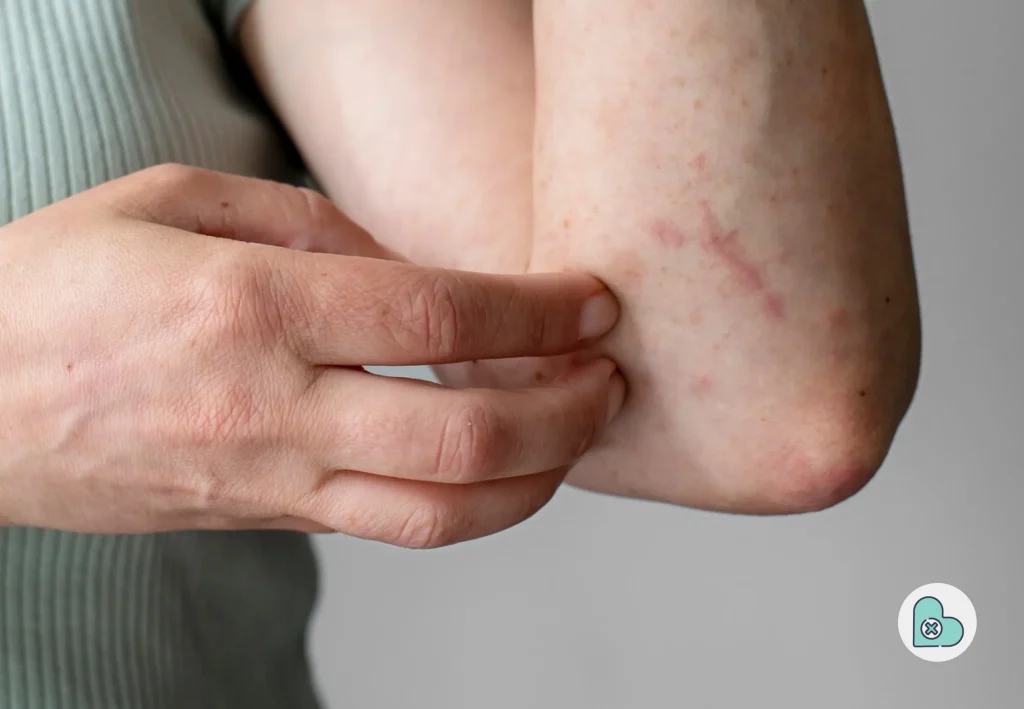
Typical bedbug bite symptoms include small clusters of red bug bite marks. These marks often appear in a line or zigzag pattern.
Common places include:
- Neck
- Face
- Arms
- Hands
Because bedbugs inject saliva during the bite, the bed bug bite marks may appear several days later. In some cases, a bedbug bite rash may appear up to 2 weeks after exposure.
Most bedbug bites only cause itching. However, some people develop an allergy to bug bites. This may create swelling, blisters, or raised welts called hives. If you see severe swelling or signs of an infected bug bite, contact a doctor.
Understanding how to identify bedbug bites helps prevent ongoing exposure and enables you to take quick action.
Black Widow Spider Bite
Most spider bites are harmless. But a venomous spider bite can cause serious problems. One of the most dangerous examples is the black widow spider bite.
At first, the bite may feel like a small pinprick. Mild redness and swelling often appear around the area. Sometimes a target-shaped mark develops.
Within an hour, black widow bite symptoms may begin spreading throughout the body.
Common spider bite symptoms include:
- Severe muscle pain
- Chest tightness
- Abdominal pain
- Headache
- Anxiety
- Increased sweating
- High blood pressure
- Nausea and vomiting
- Muscle spasms
- Tingling or numbness
These symptoms happen because the venom attacks the nervous system.
In rare cases, severe reactions occur. Children may experience seizures. Pregnant women may even experience early labor.
Because this is a poisonous spider bite, immediate spider bite treatment is essential. Doctors may use medications to control pain and muscle spasms. If you suspect a black widow spider bite, seek emergency care.
Brown Recluse Spider Bite
Another dangerous venomous spider bite is the brown recluse spider bite.This spider prefers dark, quiet spaces. You may find it in closets, basements, or unused storage areas. Unlike many spider bites, this bite is usually painless at first. However, symptoms develop several hours later.
Within two to eight hours, the bite may become painful. A bruise or blister may form around the bite area. Soon, a blue-purple ring appears. This creates the classic bullseye appearance seen in many poisonous insect bites.
Later, the wound may crust over and form scar tissue. Common brown recluse bite symptoms include:
- Fever
- Chills
- Nausea
- Itching
- Sweating
Doctors treat these dangerous bug bites with proper spider bite treatment, which may include wound care and medication.
Tick Bites
Tick bites can be tricky. Many people never notice them. Ticks attach to the skin and feed slowly. Once removed, the bite may look like a small red spot.
Typical tick bite symptoms include:
- Red itchy bumps
- Mild swelling
- Small rash
However, ticks can carry diseases. The most well-known is Lyme disease, a tick-bite infection. A major warning sign is the bull’s-eye rash pattern of Lyme disease. This rash forms circular rings around the bite site.
The rash may appear weeks after the tick bite rash first develops. Other symptoms after a bug bite may include fever, fatigue, or joint pain. Because of these risks, early identification of bug bites is important.
Flea Bites
Flea bites usually occur in clusters. They often appear in groups of three. Doctors sometimes call this the “breakfast, lunch, and dinner” pattern. Common flea bite symptoms include tiny red bug bite marks that itch intensely.
Most flea bites appear on:
- Legs
- Ankles
- Waist
- Thighs
- Lower abdomen
A flea bite rash may develop if the skin becomes irritated. People with allergies may also develop blisters. Simple flea bite treatment includes anti-itch creams and antihistamines.
Bee Stings
Bee stings are among the most painful insect stings. The sting creates immediate sharp pain. Soon after, swelling and redness appear around the site.
Typical bee sting symptoms include:
- Pain lasting several minutes
- Red skin bump
- Warm swelling
- Tender skin
In some cases, the swelling spreads across a larger area. For people with allergies, a bee-sting reaction may occur. This can cause severe swelling, breathing problems, and anaphylaxis from an insect sting.
This life-threatening condition requires emergency treatment. Common bee sting treatment options include removing the stinger, applying cold compresses, and using antihistamines.
Lice Bites
Lice bites come from tiny parasitic insects that live in hair or clothing.
There are three types:
- Head lice
- Body lice
- Pubic lice
Typical head lice bites create tiny red bumps on the scalp, neck, or shoulders. Common lice bite symptoms include persistent itching.
Many people develop a lice bite rash when they repeatedly scratch the skin. Infections may occur if bacteria enter the broken skin.
Ant Bites and Fire Ant Bites
Ant bites can range from mild to extremely painful. Some species, especially fire ant bites, inject venom when they sting.
Common ant bite symptoms include:
- Burning pain
- Red skin bumps
- Ant bite swelling
A few hours later, small white blisters may appear. These blisters can last several days. Some people also experience itching, hives, or digestive symptoms. In rare cases, fire ant bites can trigger a severe reaction.
Mite and Chigger Bites

_ freepik
Some mite bites are caused by tiny larvae known as chiggers. Chigger bites create extremely itchy welts.
Typical chigger bite symptoms include red bumps that appear hours after exposure. These itchy chigger bites often appear where clothing presses tightly against the skin.
Common areas include:
- Ankles
- Behind the knees
- Waist
- Groin
These bites may last several days and cause intense itching.
Hornet and Wasp Stings
_ freepik
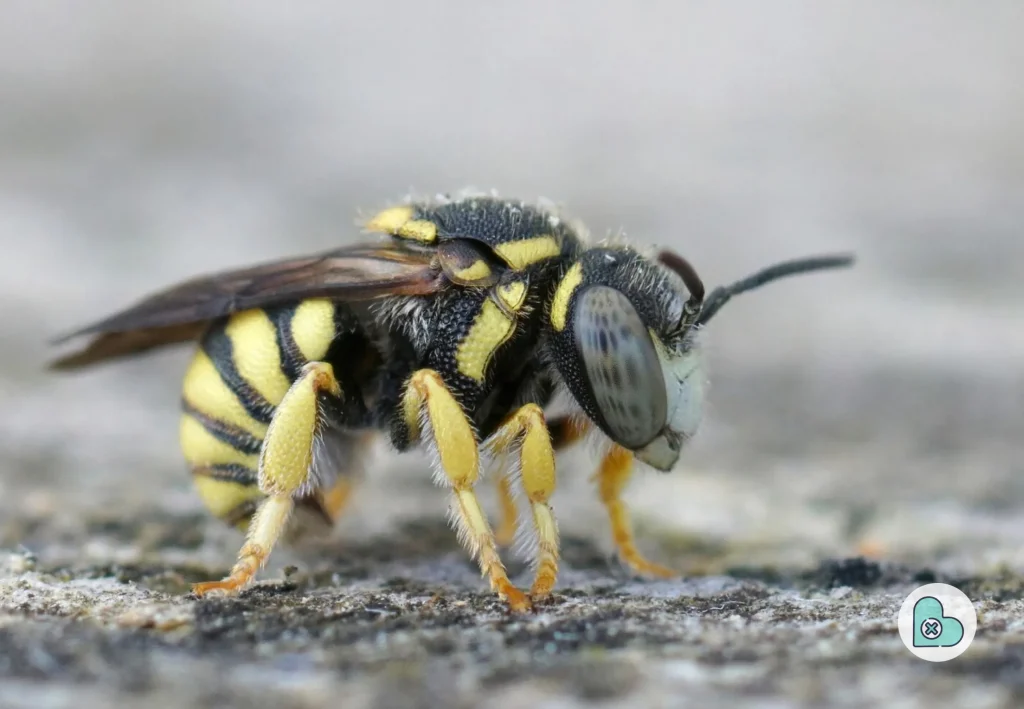
A hornet sting or wasp sting often causes immediate pain. Typical symptoms of hornet and wasp stings include swelling, redness, and itching. Some people also notice swelling around the sting site. Most reactions are mild.
However, people allergic to insect venom may develop serious symptoms such as:
- Rapid heartbeat
- Nausea
- Dizziness
- Hives
- Shortness of breath
These reactions signal anaphylaxis from an insect sting and require urgent care.
Why Do Bug Bite Reactions Happen?
Most bug bite symptoms occur because of the body’s immune response to insect bites. When an insect bites or stings, it releases saliva or venom into the skin. The immune system reacts to these substances.
This reaction causes:
- Bug bite rash
- Redness
- Swelling
- Itching
Sometimes the reaction becomes severe. This leads to severe insect bite symptoms, such as swelling of the throat or breathing difficulty. These symptoms may indicate anaphylactic shock, which requires emergency treatment.
How to Treat Bug Bites
Most common bug bites improve without medical treatment. Still, simple steps can reduce itching and swelling.
Here are some effective home remedies for bug bites:
- Apply hydrocortisone cream for bug bites to reduce inflammation.
- Use aloe vera to soothe irritated skin from bug bites.
- Take an antihistamine for bug bites to control allergic reactions.
- Clean the bite area to prevent infection.
These methods provide quick relief from insect bite itching. However, see a doctor if you notice:
- Severe swelling
- Fever
- Spreading redness
- Signs of bug bite infection signs
Doctors can provide stronger bug bite treatment when necessary.
How to Prevent Bug Bites
Preventing bug bites is always better than treating them later. Health experts recommend several simple strategies to prevent insect bites.
These tips reduce exposure to insect-borne diseases and protect against dangerous insect bites.
Important prevention steps include:
- Use an EPA-approved insect repellent.
- Apply permethrin insect repellent to clothing and outdoor gear.
- Use mosquito net protection while sleeping in high-risk areas.
- Wear long sleeves for outdoor insect protection.
- Follow safety steps to prevent insect bites while camping or hiking.
- Shower after outdoor activities to reduce the risk of tick bites.
When traveling, research the insects common in that region. Take precautions to avoid exposure.
Final Thoughts
Most bug bites and insect bites are minor problems. They usually cause temporary itching, swelling, or redness. But some dangerous bug bites, poisonous insect bites, or severe insect bite symptoms require quick medical attention.
Learning bug bite identification helps you recognize the types of bug bites, understand bug bite symptoms, and choose the right bug bite treatment.
If you ever notice severe swelling, breathing trouble, or signs of an infected bug bite, seek medical care immediately. With proper awareness and smart insect bite prevention, you can stay safe and avoid serious complications.






Leave a Reply