

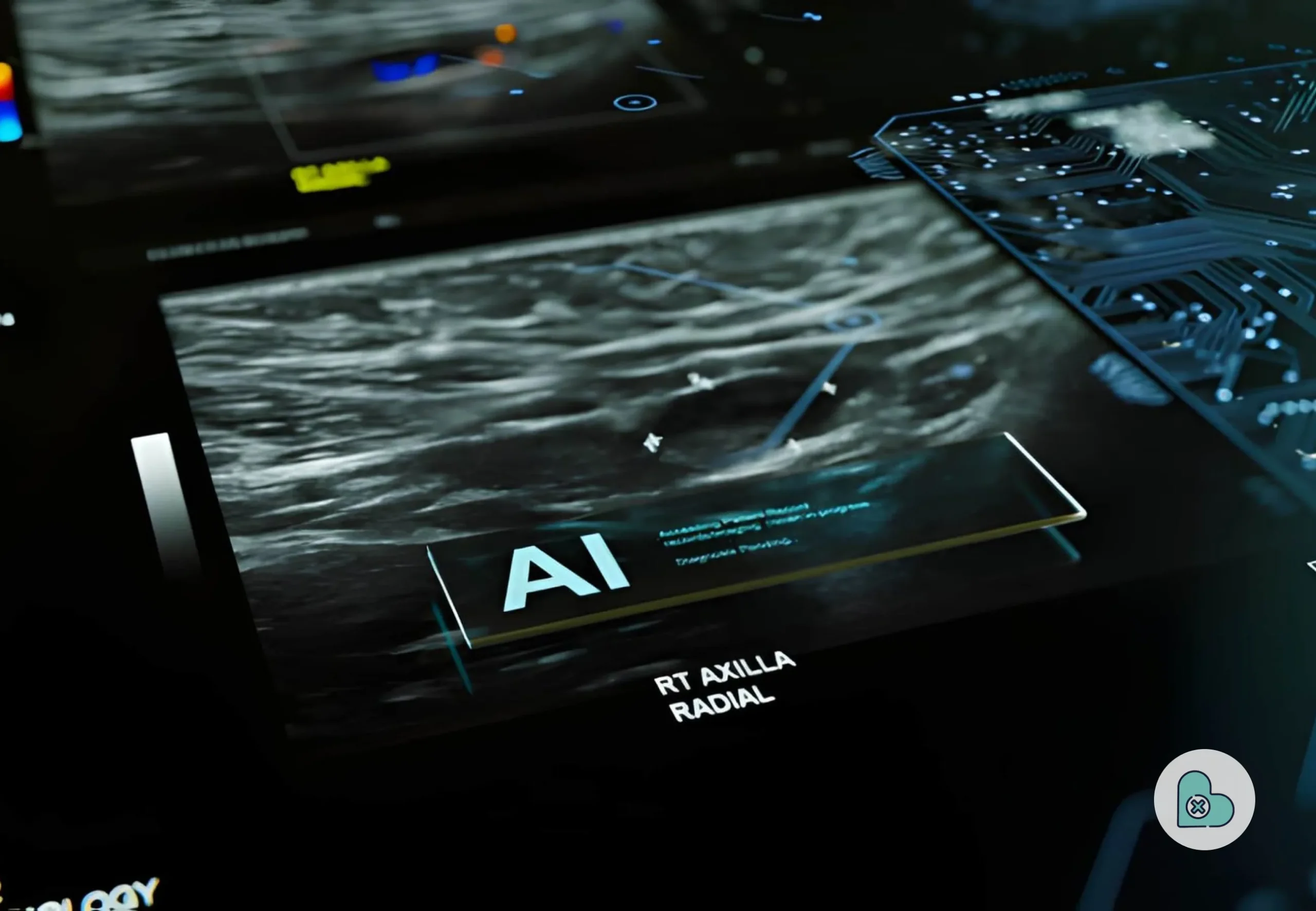
Cancer is one of the most personal battles a person can face. No two patients are the same. Every tumor acts differently. And yet, for decades, many cancer treatments followed a one-size-fits-all approach — the same drugs, the same protocols, the same decisions for very different people.
That is changing now. Artificial intelligence is stepping into cancer care — not to replace doctors, but to give them something they have never had before: the ability to process enormous amounts of patient data quickly, spot patterns no human eye could find alone, and turn that information into better, faster, more personalized decisions.
This guide breaks down how AI-driven clinical decision support systems are transforming precision oncology — in plain language, with real depth, and without unnecessary jargon.
Understanding Precision Oncology and Its Importance
_ unsplash
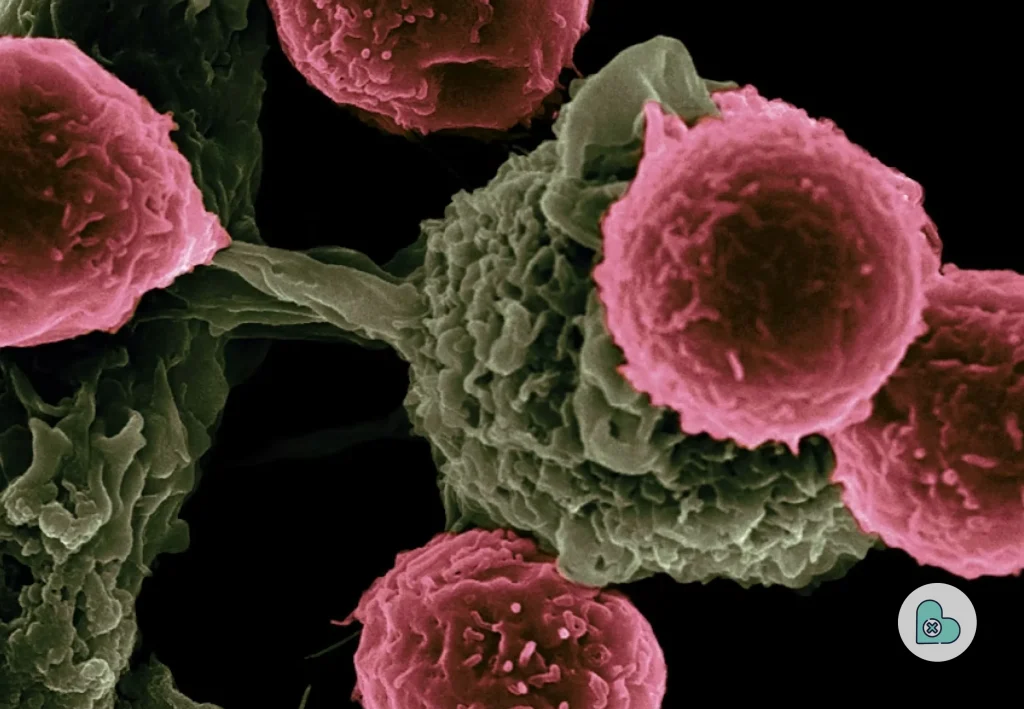
Precision oncology is the idea that cancer treatment should be tailored to the individual patient, not just the disease. It takes into account a person’s genetic makeup, tumor-specific characteristics, medical history, and lifestyle. The goal is to match each patient with the treatment most likely to work for them.
This sounds straightforward. In practice, it is incredibly complex. A single cancer patient can generate thousands of data points — imaging reports, lab results, genomic sequences, electronic health records, and pathology slides. A doctor has minutes to review all of this and make a decision that could affect the rest of that person’s life. This is where AI in precision oncology becomes not just useful, but necessary.
What Are AI-Driven Clinical Decision Support Systems?

_ pexels
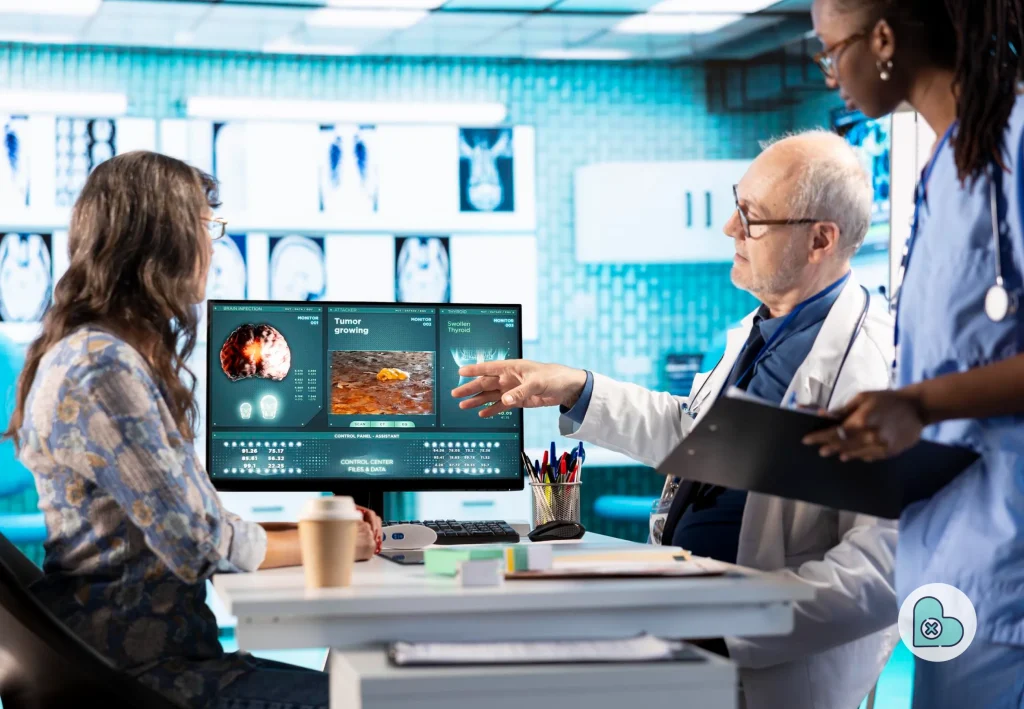
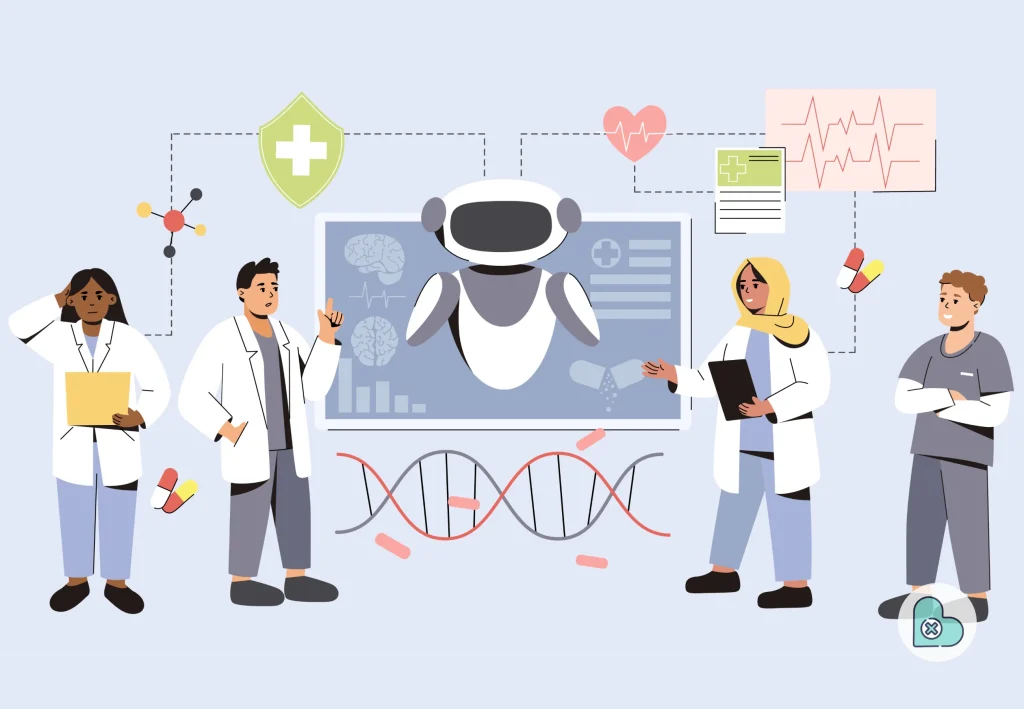
AI-driven clinical decision support systems — commonly called AI CDSS — are smart software tools that help doctors make better medical decisions. They pull in large volumes of patient data, run it through advanced algorithms, and surface recommendations that support clinical judgment.
Modern AI CDSS use machine learning, deep learning, and natural language processing to work with complex, layered data. Clinical decision support systems in oncology can read an imaging scan, cross-reference it with genomic data, and check it against published clinical studies to suggest which treatment pathway has the highest chance of success — all in a fraction of the time it would take manually.
Research shows that AI-based cancer diagnosis using multimodal data from radiology, genomics, and electronic health records can achieve predictive accuracy scores of 0.82-0.96 — a significant improvement over traditional approaches.
The doctor reviews the recommendation, draws on their clinical experience, and makes the final call. The AI informs the decision. The human makes it. That distinction is central to how responsible AI healthcare solutions are designed.
Key Applications of AI in Cancer Care
The range of AI medical applications in oncology covers the entire patient journey — from first screening to post-treatment follow-up.
AI for early cancer detection is one of the most impactful areas. AI radiology cancer-detection tools analyze CT scans, MRIs, and X-rays and detect abnormalities that might be missed in routine review. Deep learning cancer detection models have shown strong results in identifying early-stage tumors in lung, breast, skin, and colorectal cancers — often before symptoms appear.
At the diagnostic stage, AI pathology cancer diagnosis platforms analyze tissue slides digitally. Instead of a pathologist spending hours under a microscope, an AI system processes the same slide in minutes, highlights areas of concern, and provides a classification for review. AI biomarker detection further supports treatment selection by identifying genetic mutations and immune markers that tell oncologists which therapies are most likely to work for a specific patient.
AI treatment planning in oncology is where personalization truly comes to life. AI CDSS systems integrate genomic data, treatment history, clinical trial outcomes, and current guidelines to suggest the most targeted therapy for each individual. Genomics in oncology has become one of the richest data sources for these systems, and AI in genomic medicine is enabling oncologists to act on that data in ways that were not practical five years ago.
Predictive analytics in cancer adds another critical layer — estimating survival probability, predicting how a tumor is likely to progress over time, and flagging patients at high risk of recurrence. Cancer risk-prediction AI and AI-based survival-prediction tools are now used in major oncology centers to support staging decisions and shape long-term care plans. When a doctor knows early that a patient is at elevated risk of relapse, they can act proactively rather than reactively — and that timing difference can be life-changing.
In radiation oncology specifically, AI treatment planning software are being used to map tumor boundaries with greater precision. Protecting healthy tissue while maximizing radiation dose to cancer cells is technically demanding and highly time-intensive work. AI-assisted planning significantly reduces that time while improving the accuracy of the final plan, directly affecting patient safety and treatment effectiveness.
Finally, AIpatient software management systems and hospital automation AI help clinical teams work more efficiently — reducing paperwork, speeding up report generation, and flagging priority cases so doctors can focus their time where it matters most. Clinical AI workflow optimization is less visible than diagnostic tools, but its impact on patient care is just as real. When clinicians spend less time on administration, they spend more time with the people who need them.
Real-World Cases: AI CDSS Already Making a Difference
Theory is one thing. What is actually happening in real clinical environments is more compelling.
IBM Watson for Oncology was one of the earliest large-scale AI-driven clinical decision support systems deployed in cancer care. Trained on clinical guidelines and oncology literature, it suggested treatment options at several major cancer centers worldwide. Its journey highlighted both the promise and the challenge — AI systems need continuous updating with local clinical data to stay relevant. But it proved that AI in precision oncology at an institutional level was possible and worth pursuing.
Arterys and Viz.ai developed FDA-cleared AI platforms that integrate into radiology workflows to flag suspicious lung nodules in CT scans. These are not research tools — they are deployed, approved systems actively used in hospitals across the United States. They represent a real, working example of AI radiology cancer detection in everyday clinical practice.
PathAI built an AI pathology cancer diagnosis platform used by pharmaceutical companies and pathology labs to improve diagnostic accuracy on tissue samples. Their technology has been applied in clinical trials to identify which patients are most likely to respond to immunotherapy — a direct, high-stakes use of AI biomarker detection that influences treatment decisions for real patients.
Niramai, based in India, developed a non-invasive, AI-powered breast cancer screening tool that uses thermal imaging rather than X-rays. Designed for early detection in younger women and lower-resource settings, it shows how AI for early cancer detection is being adapted beyond well-equipped hospitals in wealthy countries — making smarter diagnosis more accessible globally.
Tempus uses AI in genomic medicine to help oncologists interpret complex genetic data and match patients to clinical trials. Their platform integrates genomic sequencing, clinical records, and real-world outcomes — a working model of AI multimodal data healthcare in action. Thousands of oncologists in the United States use Tempus data to inform treatment decisions today.
These are active, functioning systems — not pilots. They have limitations, and all require skilled clinical oversight. But they are working, and they are getting better with every case they process.
Challenges That Are Still Being Worked Out
_ DC Studio _ freepik
Data Quality and Integration
AI in healthcare works well only when the data behind it is accurate and reliable. Incomplete, inconsistent, or outdated records produce unreliable outputs. Cancer data analysis AI needs clean, well-structured data across all input types — imaging files, genomic sequences, lab results, and clinical notes. This is a real operational challenge for hospitals still working with legacy systems or fragmented, siloed records that were never designed to be read by algorithms.
Electronic health records AI integration is improving, but it is not uniform. Different hospital systems use different data formats, different coding standards, and different levels of documentation detail. Until standardization improves across healthcare networks, the full potential of AI-powered oncology systems will remain only partially tapped.
The Explainability Problem
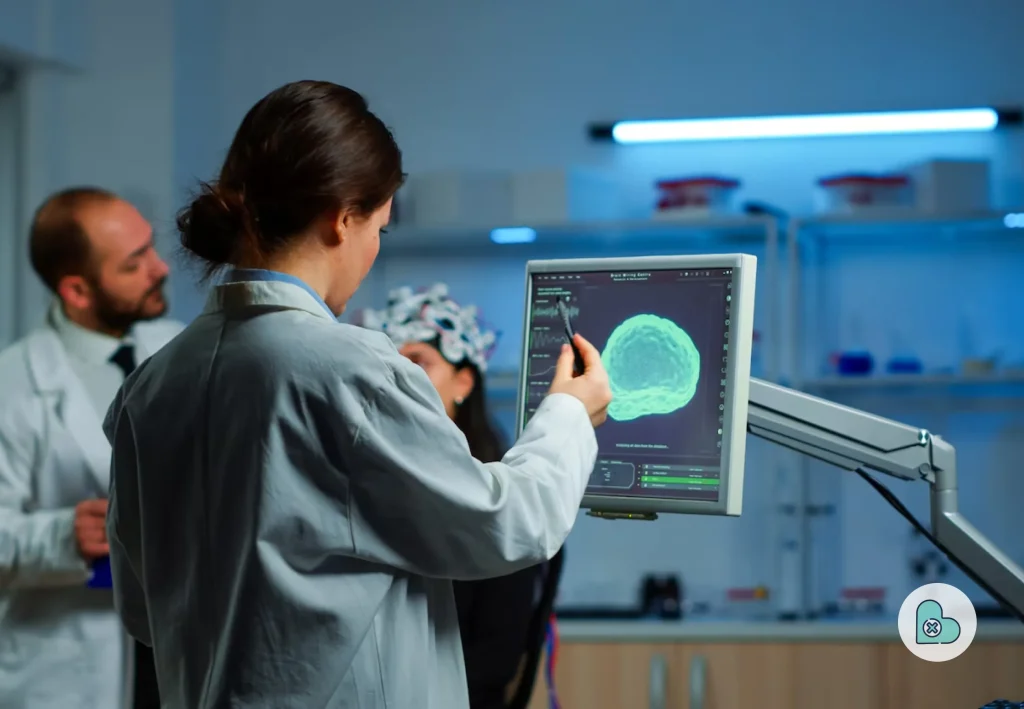
When an AI recommends a specific treatment, the doctor needs to understand why. If the reasoning is a black box — if the system says “choose this drug” without showing its logic — trust breaks down, and clinicians rightfully hesitate to follow the recommendation.
Explainable AI in healthcare — often called XAI in oncology — addresses this directly. XAI systems are designed to show their work: to explain, in human-readable terms, what data drove a particular recommendation and which factors carried the most weight. This isn’t just a technical feature. In clinical settings where lives are at stake, explainability is an ethical requirement, not an optional upgrade.
Privacy, Ethics, and Accountability
Healthcare data privacy and AI are genuine concerns as more sensitive patient data flows through connected platforms and cloud-based systems. The more data an AI system processes, the greater the need for strong security protocols, clear patient consent frameworks, and robust regulatory oversight.
AI ethics in healthcare raises harder questions, too — when an AI recommendation contributes to a poor outcome, who is responsible? The doctor who followed it? The hospital that deployed the system? The company that built it? Regulators, legal systems, and medical boards worldwide are still working through these questions. The answers matter, and the industry cannot afford to sidestep them.
What the Future Looks Like
_ freepik
The future of AI in oncology points clearly toward deeper integration, better personalization, and faster, real-time support at every stage of care.
AI cancer research is accelerating the discovery of new treatment targets by processing scientific literature and biological databases faster than any research team could manually. AI drug discovery in oncology is helping pharmaceutical companies identify promising compounds and predict how they will behave in the human body — compressing timelines that used to take years into months.
AI multimodal data healthcare approaches — combining imaging, genomics, lab results, and clinical records into a unified analytical picture — are becoming the standard rather than the exception. Real-time decision support during surgical procedures, continuous AI-assisted monitoring of treatment response, and AI-powered clinical trial matching are all in active development at leading cancer centers.
The trajectory is clear. Next-generation healthcare technology will have AI built in from the ground up—not added later as an afterthought. Healthcare providers who invest in AI-powered healthcare systems now will be better positioned to deliver better outcomes at lower cost. Patients will benefit from faster diagnosis, more accurate treatment, and closer ongoing monitoring. Researchers will move faster from discovery to clinical application. The benefits of AI in oncology are compounding as systems learn from more data, more cases, and more real-world clinical feedback
over time.
Final Thoughts
Artificial intelligence in oncology is not a distant promise. It is an active reality already improving how cancer is diagnosed, treated, and managed — in real hospitals, with real patients, right now.
AI CDSS tools are giving oncologists a clearer picture of each patient’s situation than ever before, faster than ever before. They are catching cancer earlier, matching patients to better therapies, helping clinical teams work smarter under enormous pressure, and building a foundation for cancer care that is genuinely more precise, more personal, and more effective.
The road ahead still has real obstacles. Data quality, explainability, ethics, privacy, and integration challenges are genuine and require sustained attention from technology developers, healthcare providers, and regulators alike. Progress will not be uniform, and not every AI tool will deliver on its early promise.
But the direction is not in question. AI in cancer care is making precision oncology more precise. It is giving doctors better tools and giving patients better odds. And for the millions of people who face a cancer diagnosis every year, that progress is not just interesting — it is everything.



Leave a Reply