


Testosterone gets talked about a lot. But most people don’t really understand what it does — or what happens when it starts to drop.
Here’s the thing: testosterone affects way more than just muscle size. It controls your energy, your mood, your sex drive, your mental focus, and your long-term health. When levels are off, you feel it — even if you can’t quite explain why.
This guide covers everything you need to know. What testosterone actually is. What low levels feel like. Why do levels drop? And eight simple, proven things you can do to bring them back up naturally. No supplements ads. No confusing medical jargon. Just straight, useful information.
What Is Testosterone?

_freepik
Testosterone is a hormone. In people assigned male at birth, the body makes most of it in the testicles. In people assigned female at birth, the ovaries produce it. The adrenal glands also make small amounts in everyone.
During puberty, testosterone drives the big physical changes — muscle growth, deepening of the voice, and body hair. But it doesn’t lose its importance after puberty. In adulthood, healthy testosterone levels keep your body working properly. They support your sex life, heart health, mood, and energy.
And this isn’t just a men’s issue. Female testosterone health matters too. Women produce less of it than men, but they still need it for libido, bone strength, energy, and emotional wellbeing. Low testosterone affects both sexes — just in different ways.
Symptoms

_Unsplash
Low testosterone is sneaky. The symptoms don’t always look like a hormone problem. Fatigue could be stress. Low mood could be life. Reduced sex drive could be due to age. That’s why it’s easy to miss — and why it often goes undiagnosed for years.
Doctors split low testosterone symptoms into two groups: specific and non-specific. Knowing the difference helps you figure out when it’s worth getting checked.
Specific Signs/Symptoms of Testosterone Deficiency (TD)
_Unsplash
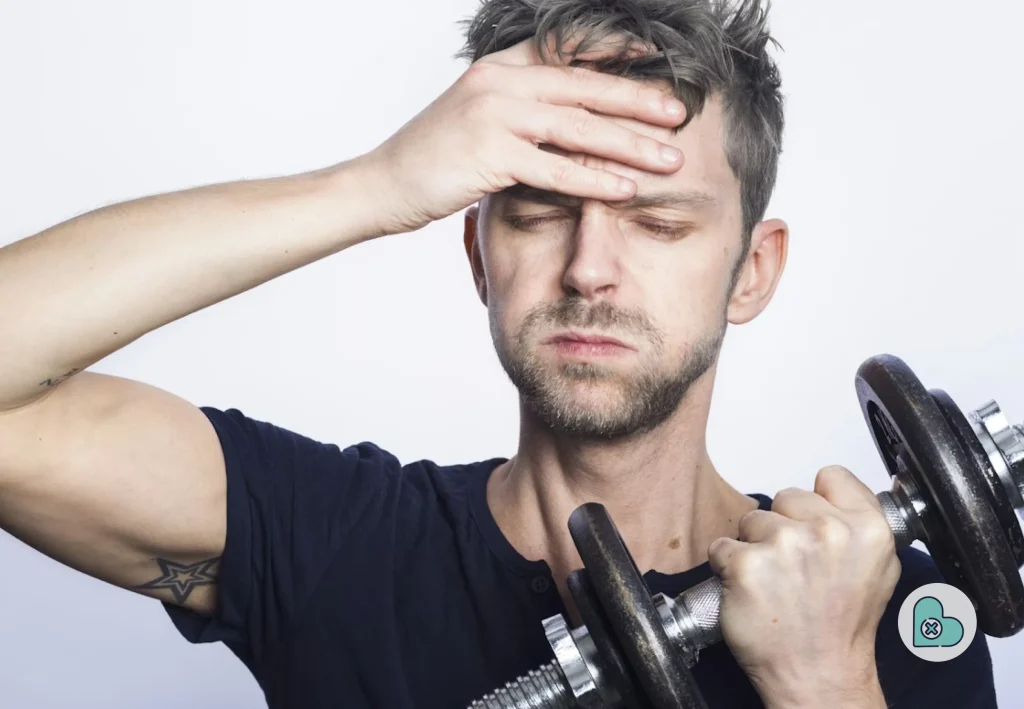
These symptoms are directly linked to testosterone deficiency. If you have several of these at once, that’s a clear sign to talk to your doctor:
• Low sex drive — one of the most common signs of low testosterone in men
• Trouble getting or keeping erections — erectile dysfunction from testosterone decline is well documented
• Loss of body hair and less beard growth
• Loss of muscle — testosterone and strength are closely connected
• Constant tiredness — not just after a long day, but all the time
• Weight gain, especially around the belly
• Feeling sad or depressed — the link between testosterone and depression is real and backed by research
Non-Specific Signs/Symptoms of Testosterone Deficiency (TD)
Many different things can cause these symptoms — not just low testosterone. But when they show up alongside the specific symptoms above, they paint a clearer picture:
• Testosterone and energy levels — lower energy and reduced endurance are common complaints
• Poor memory and trouble concentrating
• Struggling to find the right words when speaking
• Underperforming at work without a clear reason
One symptom alone doesn’t mean much. But if you’re dealing with a combination — say, fatigue, low mood, and reduced sex drive all at once — that’s worth investigating. Don’t brush it off as “just getting older.”
Causes
There are many different causes of low testosterone. Some people are born with conditions that affect hormone production from day one. Others develop low testosterone after illness, injury, or medical treatment. And for most people, it happens slowly due to everyday lifestyle and aging.
Common medical testosterone deficiency causes include Klinefelter syndrome, Noonan syndrome, damage to the testicles from injury or cancer treatment, pituitary gland problems, infections, and autoimmune conditions. Chemotherapy and radiation can also significantly reduce testosterone production.
But the most common causes are lifestyle-related. Testosterone and aging go hand in hand — levels naturally start declining around age 30. Testosterone and obesity are strongly linked because body fat — especially belly fat — actively disrupts hormone balance. Metabolic syndrome, which includes high blood pressure, high blood sugar, and unhealthy cholesterol, is another major driver. Even some medications like antidepressants and opioid painkillers can suppress testosterone over time.
8 Evidence-Based Ways to Increase Your Testosterone Levels Naturally
1. Exercise and Lift Weights
If there’s one thing that’s consistently shown to raise testosterone, it’s exercise. Exercise to increase testosterone is one of the most effective and well-researched approaches out there.
The benefits of weightlifting and testosterone are especially strong. Resistance training — things like squats, deadlifts, and bench presses — has been shown to boost testosterone both in the short and long term. HIIT and testosterone are another great combination. High-intensity interval training creates a powerful hormonal response that supports healthy hormone levels.
You don’t need to spend hours in the gym every day. Consistent, moderate-to-intense workouts a few times a week are enough to make a real difference over time.
2. Eat Protein, Fat, and Carbs
What you eat directly affects your hormone levels. A good diet for testosterone increase isn’t about cutting out entire food groups. It’s about balance.
Protein helps maintain healthy testosterone and supports fat loss. Healthy fats — like those from eggs, olive oil, avocados, and nuts — are essential for hormone production. Research actually shows that low-fat diets can reduce testosterone levels. Carbohydrates support your energy and training performance, which in turn supports your hormones.
The foods that boost testosterone most reliably are whole, unprocessed foods. Eggs, lean meats, leafy greens, fatty fish, nuts, and seeds all support hormone health. The biggest mistake people make? Chronic undereating or crash dieting. That disrupts your hormones fast — and recovering from it takes time.
3. Minimize Stress and Cortisol Levels
Stress is one of the biggest silent killers of testosterone. The relationship between cortisol and testosterone works like a seesaw. When cortisol — your main stress hormone — goes up, testosterone comes down. It’s a direct trade-off.
Chronic stress keeps cortisol elevated for long stretches. That means stress and testosterone levels are constantly at odds with each other. On top of that, high cortisol makes you eat more, gain weight, and store fat around your organs — all of which further suppress testosterone.
Managing stress isn’t a luxury. It’s a hormone health strategy. Regular exercise, quality sleep, time in nature, and genuine downtime all help lower cortisol and protect your testosterone.
4. Increase Vitamin D Intake
About 1 billion people worldwide are deficient in vitamin D, and research shows that vitamin D deficiency and testosterone are closely linked — low vitamin D levels are associated with lower testosterone levels.
A 2020 review found that vitamin D supplementation raised testosterone levels and improved erectile function in deficient men. The connection between vitamin D and testosterone is strong enough that getting your vitamin D levels tested is a smart first step if you’re concerned about your hormones.
Sunlight is the best source. But if you live somewhere with limited sun — or work indoors most of the day — a vitamin D3 supplement is a practical and affordable option. Talk to your doctor about the right dose for you.
5. Consider Taking Supplements
Most testosterone supplements on the market are overhyped. But a few specific nutrients have solid research behind them.
Zinc for testosterone is one of the most well-supported. A 2021 study found that zinc supplementation raised testosterone and improved sexual function — particularly in people with low zinc levels. If you’re not getting enough zinc from your diet, this is worth looking into.
Multiple studies back ashwagandha testosterone benefits. This adaptogenic herb has been shown to raise testosterone and reduce cortisol — a double win. Ginger’s testosterone benefits are also documented, with research showing that regular ginger intake can increase testosterone levels in men. Saw palmetto and testosterone are another area with promising evidence, though more research is still needed.
The keyword with supplements is support — they work best as part of a healthy lifestyle, not as a shortcut around one. Always check with your doctor before starting anything new, especially if you take other medications.
6. Get Plenty of Restful, High Quality Sleep
This one is non-negotiable. The connection between sleep and testosterone levels is direct. Most of your testosterone is released while you sleep — specifically during deep, restorative sleep stages. Skimp on sleep, and your body simply doesn’t get enough time to produce adequate testosterone.
A major 2019 study involving over 2,000 men confirmed that poor sleep is linked to lower testosterone. Understanding how sleep affects testosterone should change how you think about your bedtime routine. Seven to nine hours of quality sleep isn’t just good for energy. For your hormones, it’s essential.
Good sleep hygiene — consistent bedtimes, a dark, cool room, no screens before bed — isn’t a small thing. It’s one of the most impactful lifestyle changes for testosterone you can make.
7. Avoid Estrogen-Like Chemicals
Your environment can mess with your hormones in ways you’d never expect. Endocrine disruptors and testosterone are a real and growing area of concern. Chemicals like BPA and parabens mimic estrogen in the body — and that directly suppresses testosterone production.
The impact of BPA and testosterone has been studied extensively. This chemical is found in many plastic bottles, food containers, and tin can linings. Heating plastic makes it leach even more. Switching to glass or stainless steel containers is one of the simplest swaps you can make.
When it comes to chemicals affecting testosterone, the goal isn’t perfection — it’s reduction. Read labels on personal care products and avoid parabens whenever possible. Small daily choices add up over months and years.
8. Watch Your Alcohol Intake
Most people don’t realize how quickly alcohol hits their hormone levels. The relationship between alcohol and testosterone levels is both fast and damaging. Research shows testosterone can start dropping within just 30 minutes of drinking.
Heavy, regular drinking is even more serious. It leads to reduced testicular function and, over time, structural damage that’s hard to reverse. How to increase testosterone naturally always includes cutting back on alcohol — not because of some arbitrary health rule, but because the hormonal impact is clear and measurable.
You don’t have to quit completely. But if you’re drinking heavily and wondering why your energy, mood, and sex drive are suffering, this is a very likely part of the answer.
The Bottom Line on Testosterone Health
Testosterone isn’t just a “gym bro” hormone. It’s a core part of how your body and mind function every day. When levels drop — whether because of age, stress, poor sleep, or lifestyle habits — you feel it across every area of your life.
The good news? Most of what protects and restores healthy testosterone levels is straightforward. Exercise regularly. Eat balanced meals. Sleep well. Manage your stress. Cut back on alcohol. Reduce your exposure to hormone-disrupting chemicals. Add targeted supplements where the evidence supports it.
These aren’t complicated steps. They’re the basics — done consistently. And done consistently, they work.
If you think you might have testosterone deficiency symptoms, don’t guess. Get your levels tested by a doctor. A blood test gives you real answers. From there, you can build a plan — lifestyle-first, with medical support where needed — that actually fits your life and your goals. That’s natural hormone optimization done right.




Leave a Reply