

Biological Age Test: Is It Actually Worth Your Money?
Have you ever looked in the mirror and wondered if your body is older than the date on your ID? We all have. This brings us to a massive trend in the health world: the biological age test. Unlike the number of candles on your birthday cake, your biological age tells a deeper story. It shows how your cells are actually performing. You might be 40 on paper, but your heart could be 30 or 50.
Today, a biological age test at home is easier to get than ever. You can order a biological age test kit online and get results in just a few days. Wellness influencers and biohackers talk about these tests constantly. But is biological age testing a real scientific breakthrough? Or is it just another expensive health fad?
In this guide, I’ll break down the biological age test cost and how these kits work. We will look at biological age vs chronological age to see why the difference matters. You will also learn about the biological age test accuracy so that you can spend your money wisely. By the end, you will know precisely how to check your biological age and if you should even bother.
What Is Biological Age?
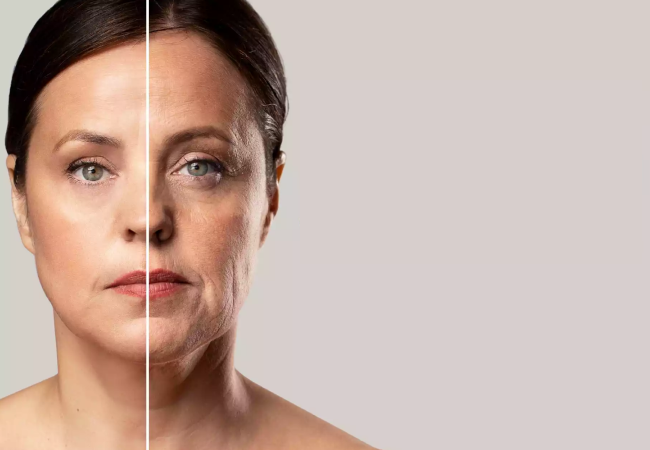
Let’s start with the basics. Your chronological age is simple. It’s simply how many years you’ve lived. It never changes pace. On the other hand, your biological age is flexible. It measures how well your body functions compared to the average person. It is essentially your “real” internal age. This is why some people look and feel great at 70, while others struggle at 50.
When you check your biological age, you are looking at your “wear and tear.” Scientists look at things like inflammation and how your organs are holding up. It’s a way to see if your lifestyle is helping or hurting you. If you want to live a long time, understanding biological age vs chronological age is a significant first step. It gives you a baseline for your health.
Many people use a biological age test to see if their “biohacking” is working. They want to know if that new diet or exercise plan is actually making them younger. In short, biological age tells you how much “life” is left in your cells. It shows a quick view of your health right now. It’s not just your years that matter, but the quality of those years.”
How Does a Biological Age Test Work?

You might wonder how a small biological age test kit can tell so much. Most of these tests look for specific markers in your body. The most popular method is the DNA methylation test. This looks at how your DNA changes over time due to your environment. Think of it like a light switch. Your genes can be turned “on” or “off” by your habits, and this test tracks those switches.
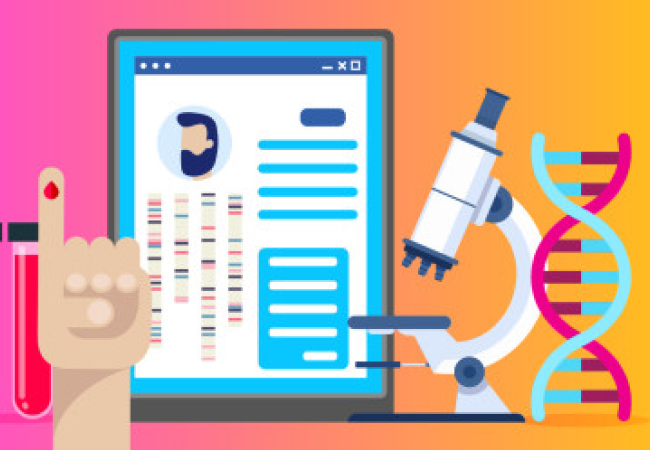
Another way to measure biological age is through a blood biomarker test. This looks at things like your cholesterol, glucose, and liver enzymes. These markers are very reliable because they show how your organs are working right now. A blood biomarker test is often done in a lab, but some companies now offer a biological age test at home using a simple finger prick.
Then there is the saliva test. These are very common because they are so easy to use. You simply spit into a tube and send it off. While a home kit vs a lab-based biological age test can vary in price, they all aim for the same goal. They want to give you a biological age report that explains your internal health. Each method has its pros and cons, but they all focus on the science of aging.
Why Is Everyone Getting a Biological Age Test?
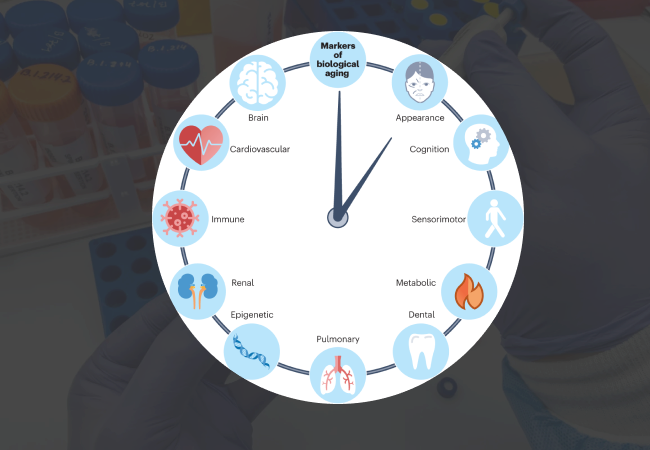
Curiosity is a significant driver. People want to know their “real age.” But it goes deeper than that. Many people use biological age testing to track their health beyond just their weight. They want to see the invisible changes happening inside their bodies. It’s a powerful tool for anyone interested in biological age testing for health.
The rise of “biohacking” has also made these tests popular. If you spend money on expensive supplements, you want to see if they work. A biological age test provides that data. It turns health into a game where you try to get a lower score. This can be very motivating for people who are trying to improve their sleep, diet, or stress levels.
Social media plays a role, too. When a famous athlete or celebrity shares their biological age report, fans want to try it. It has become a status symbol in the longevity community. But beyond the hype, biological age monitoring can be a helpful way to see if your lifestyle changes are actually moving the needle. It turns abstract health goals into concrete numbers.
What Do Your Results Actually Mean?
When you get your results, the first thing you see is your biological age score. This is the significant number. If it’s lower than your actual age, you’re doing great. If it’s higher, it might be a wake-up call. But don’t panic. This number is an estimate, not a final judgment. It is a tool for biological age monitoring, not a medical diagnosis.
Most reports also include health risk indicators. They might show that your inflammation is high or your metabolism is slowing down. This is the most helpful part of the biological age test. It points out where your energy matters most. If the report says your heart health is aging fast, you know you need more cardio. It makes your health journey much more personal.
However, you must remember that these tests have limits. They cannot tell you if you have a specific disease. They capture a moment of your health. If you were really stressed or sick when you took the test, your score might be higher. This is why experts often discuss the reliability of the biological age test. You should use the results as a guide to talk with your doctor.
Is the Biological Age Test Accuracy Real?
This is a big question. Can a biological age test at home really be accurate? The science behind a DNA methylation test is actually quite strong. Researchers have been studying “epigenetic clocks” for years. These clocks are very good at predicting health outcomes. However, the tests you buy online might not be as precise as the ones used in university labs.
The biological age test reliability depends on the company you choose. Some companies use more markers than others. A test that looks at 100 markers is usually better than one that looks at 10. Also, different labs might give you different scores. This lack of standardization is one of the main downsides of biological age testing right now.
Accuracy also doesn’t always mean the results are “actionable.” You might get a number, but not a clear plan on how to change it. This is why it’s essential to look for the best biological age test kits that offer deep insights. Don’t just settle for a number. Look for a company that explains the science and gives you real steps to improve.
The Pros of Biological Age Testing
Why should you spend money on this? The biggest pro is personalized insight. Most health advice is general. We are told to “eat better” and “exercise more.” But biological age testing for health tells you precisely what your body needs. It removes the guesswork from your health routine. You can see which habits are actually helping you.
Another benefit is motivation. It’s hard to stay on a diet when you can’t see the results. But if a biological age test shows you “got younger” by two years, you’ll want to keep going. It provides a visual reward for your hard work. This can be a game-changer for people struggling to stick to a healthy lifestyle.
Finally, these tests can offer early warning signs. They might spot high inflammation before you feel any symptoms. This allows you to make changes early. Prevention is always cheaper and easier than treatment. By using a biological age test for longevity, you are taking a proactive step toward a longer, healthier life.
The Cons and Limitations
No test is perfect. The first big con is the Cost of the biological age test. These kits are not cheap. You could spend that money on a gym membership or healthy food instead. You have to ask yourself if the data is worth the price. For some, the answer is yes. For others, traditional blood work at a doctor’s office is a better value.
Another issue is anxiety. If you get a high score, you might worry too much. It’s easy to over-interpret the numbers. Remember, your biological age can change. A single biological age test is just one data point. It doesn’t define your entire future. If you are prone to health anxiety, these tests might cause more harm than good.
Lastly, there is a lack of medical oversight. Most biological age test-at-home kits are sold directly to consumers. This means a doctor isn’t there to help you understand the results. People often try to “fix” their scores with unproven supplements. Always remember that a biological age report is not a replacement for professional medical advice.
Who Should Get a Biological Age Test?
If you love tracking numbers like steps and calories, this is for you. It’s the ultimate metric for your health dashboard. It’s also great for people who are making significant life changes. If you just quit smoking or started a new fitness path, a biological age test can show you the impact of those choices over time.
Those focused on preventive health are good candidates, too. If you want to stay ahead of the aging process, biological age testing gives you a head start. It’s for those who want to optimize their bodies, not just fix them when they break. It’s a tool for the proactive person who wants to take control of their aging journey.
However, if you are looking for a quick fix, this isn’t it. You should only take the test if you are ready to act on the results. Knowing your age is useless if you don’t change your habits. If you are willing to invest in your health for the long term, then a biological age test kit might be a brilliant purchase.
Cost Breakdown: Is It Worth the Price?
Let’s talk money. The biological age test cost usually falls between $100 and $400. Why the enormous range? It depends on the technology used. A simple blood biomarker test is often cheaper. A high-tech DNA methylation test will cost much more because the lab work is very complex. You have to decide how much detail you really need.
You also have to think about repeat testing. To see a trend, you need to test more than once. Most experts suggest testing once a year. This means the Cost of biological age testing becomes a yearly expense. When you add it up, it’s a significant investment. You have to compare this to the Cost of a standard physical or basic blood work.
In many cases, a standard blood test covered by insurance provides more “actionable” data. It tells you your cholesterol and blood sugar—things you can talk to a doctor about. A biological age test is more about “wellness” than “medicine.” If your budget is tight, focus on the basics first. If you have extra money for your health, the biological age test kit is a superb addition.
How to Find Your Biological Age and Lower It
Can you actually turn back the clock? The answer is a loud yes. One of the best biological age improvement tips is to focus on sleep. Your body repairs itself while you sleep. If you get 7 to 9 hours of quality rest, your cells stay younger. Poor sleep is one of the fastest ways to increase your biological age.
Nutrition is the next significant factor. A diet full of processed sugar and “bad” fats will age you quickly. On the other hand, colorful vegetables and lean proteins help reduce biological age naturally. Exercise is also key. Both cardio and strength training improve how your cells use energy. This keeps your metabolism “young” and healthy.
Don’t forget about stress. Chronic stress creates inflammation, which is like “rust” for your body. Using meditation or yoga can actually slow down your cellular aging. When you look at lifestyle factors affecting biological age, stress management is often at the top of the list. Small, daily habits are much more powerful than any expensive supplement.
Expert Opinions on Biological Age Testing
What do the doctors say? Most researchers agree that biological age vs real age is a valid scientific concept. They use these tests in studies all the time. However, many experts are cautious about the consumer kits. They worry that the marketing is ahead of the science. They want people to know that a biological age test is just one piece of a big puzzle.
The consensus is that these tests are great for monitoring. They are not great for diagnosing. Experts suggest using a biological age test as a way to start a conversation with your health provider. It’s a tool to help you stay mindful of your habits. As long as you don’t take the score too literally, most experts see it as a helpful wellness tool.
Excitement is building around what comes next. As the Cost of biological age testing goes down, more people will have access to this data. Scientists are working on even better “clocks” that can predict specific health risks. For now, it’s an exciting but evolving field. The best approach is to stay curious but remain a bit skeptical of the big marketing claims.
Summary: Should You Buy a Kit?
Feature Biological Age Test Traditional Blood Work
Primary Goal: Longevity & Wellness Disease Prevention
Typical Cost $100 – $400 Often covered by insurance
Main Marker DNA Methylation Cholesterol, Glucose, etc.
Action Level Lifestyle Changes Medical Treatment
Ease of Use: Biological age test at home. Requires a clinic visit
If you want a fun, motivating way to track your health, go for it. If you are on a budget and want medical advice, stick to your doctor. A biological age test is a luxury health tool, not a medical necessity. But for the right person, it can be the spark that starts a whole new healthy lifestyle.
Frequently Asked Questions
How to find your biological age easily?
The easiest way is to order a biological age test kit online. You provide a sample of blood or saliva, and the lab does the rest.
Can biological age change over time?
Yes! This is the best part. By improving your diet, sleep, and exercise, you can actually reduce biological age naturally over several months.
Are at-home biological age tests reliable?
They are generally reliable for tracking trends, but a home kit vs a lab-based biological age test might show slightly different results. Consistency with one brand is key.
How often should I check my biological age?
Most people find that testing once a year is enough to see how their lifestyle changes are working.
What is the best biological age test kit?
Look for kits that use DNA methylation test technology and provide a detailed biological age report with actionable tips.
Conclusion
At the end of the day, a biological age test is a window into your future health. It shows you what is happening at a cellular level. While the Cost of the biological age test can be high, the motivation it provides is often worth it. It shifts the focus away from just asking, “How old am I?” to “How healthy am I?”
The real power isn’t in the number itself. The power is in what you do with that number. Use it to improve your sleep. Use it to eat more greens. Use it to manage your stress. If you treat biological age testing as a guide for your habits, you will get the most value out of your money.
Remember, your chronological age is set in stone, but your biological age is in your hands. Take care of your cells, and they take care of you. Use the data, stay consistent, and focus on the long game of health and longevity.






Leave a Reply