

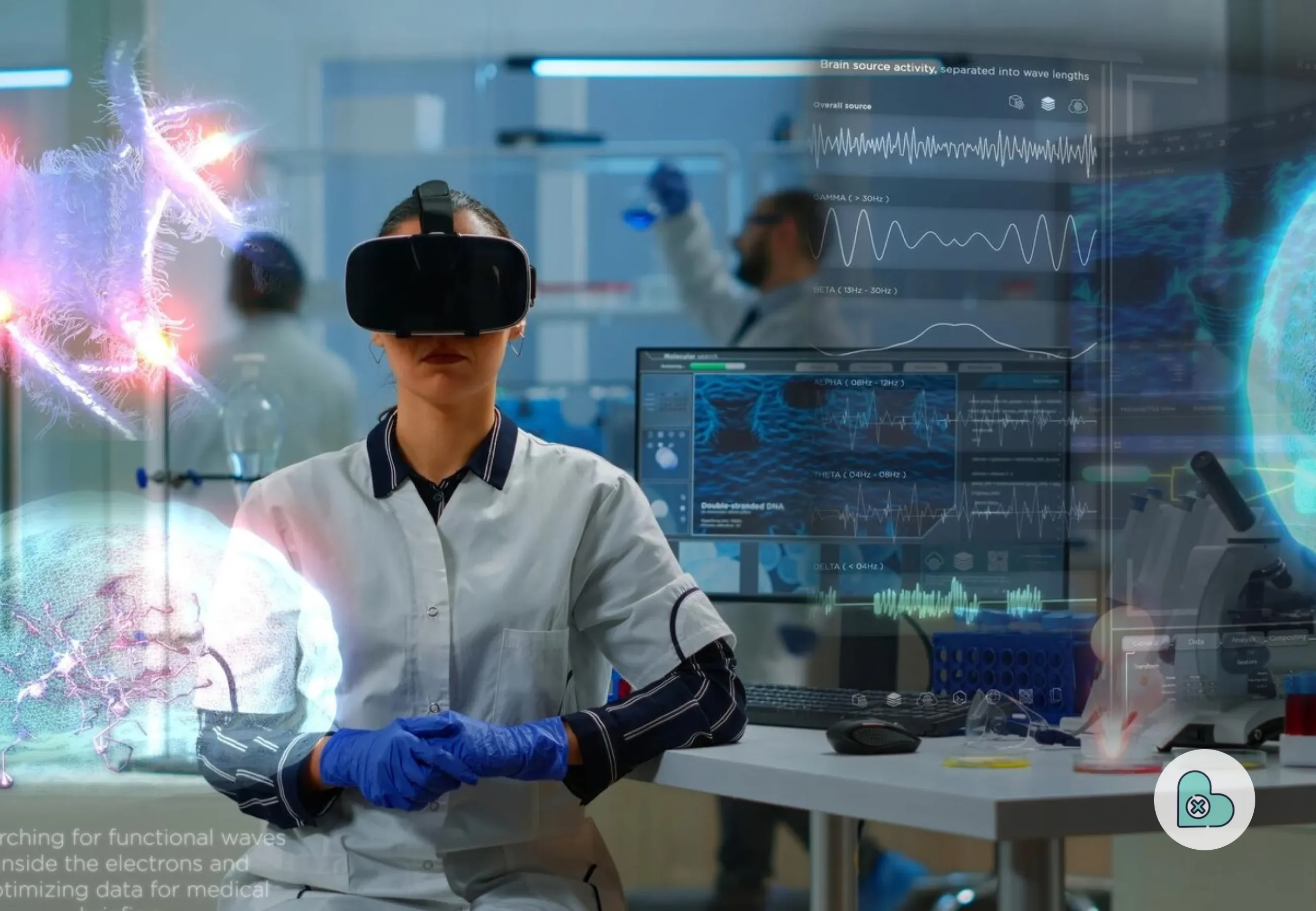
Have you ever wondered how a machine could “see” a disease before a doctor does? It sounds like science fiction. But it is happening right now. Computer vision in healthcare is a type of artificial intelligence in medicine that mimics human vision.
It uses an AI camera in healthcare to capture visual data. Then, a smart computer vision AI algorithm processes that data. It learns as it goes. This technology is becoming a massive part of AI in healthcare. In fact, the market is exploding. Experts say the healthcare computer vision market will jump from $2.6 billion in 2024 to over $53 billion by 2034.
Why is this happening? Because sight is our most powerful sense. Almost 90% of our brain is involved in processing what we see. According to Dr. Andrew Gostine, CEO of Artisight and a critical care anesthesiologist, computer vision in healthcare is the most valuable form of AI. It is the only way to drive healthcare automation at a huge scale. This tech helps address access and efficiency issues. It is a key part of AI healthcare trends 2026.
What Exactly Is Computer Vision in Healthcare?
_ rawpixel.com _ Freepik
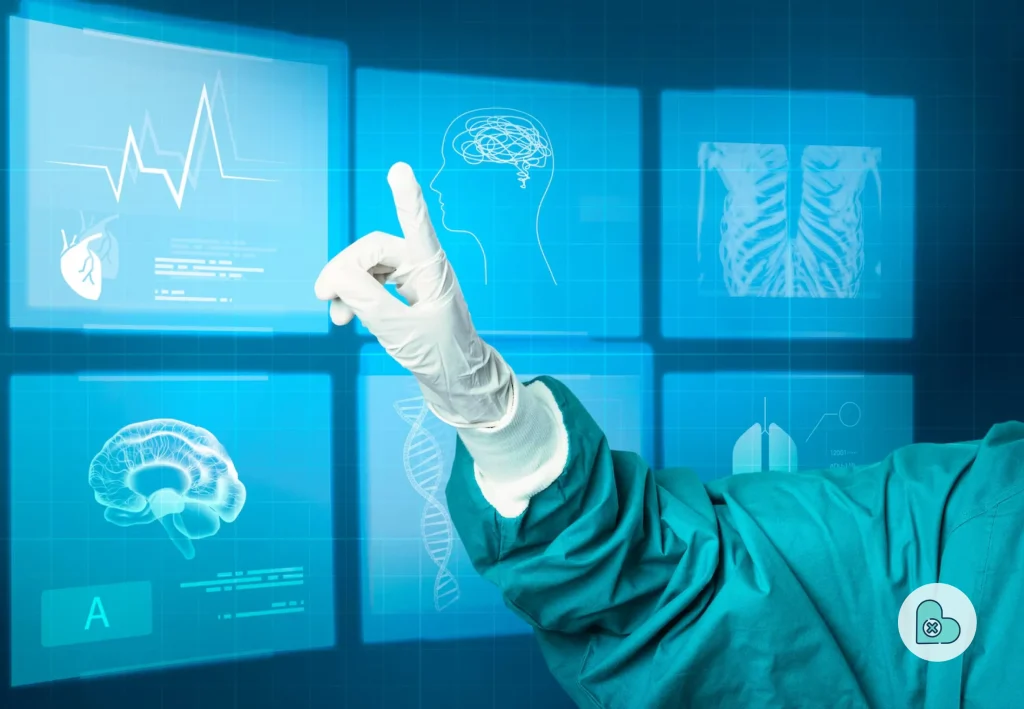
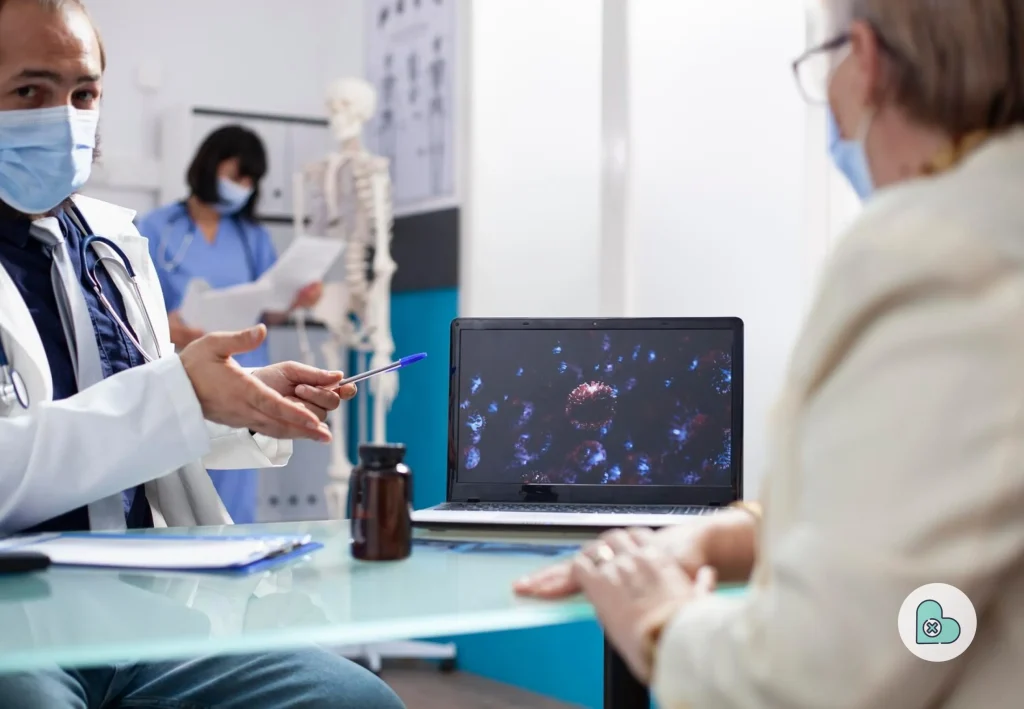
In simple terms, Computer Vision Healthcare is the use of AI healthcare solutions to read medical images. These computer vision algorithms in healthcare can look at radiology scans or live surgical video. They analyze and respond to what they see in real-time. This is transforming how we plan treatments and monitor patients.
The AI healthcare market is growing very strongly. By the end of 2025, the market is expected to reach $4.86 billion. It is growing at over 24% per year. This shows that hospitals are increasingly relying on AI imaging tools. An AI camera in health care can now act as a 24/7 assistant for busy doctors.
Hospitals and research centers are leading this change. They use AI to process medical data and make sense of thousands of images. This isn’t just about replacing eyes. It is about adding a “super-eye” that never gets tired. Medical imaging AI can spot tiny details that humans might miss after a long shift. This is why AI healthcare innovation is so important.
Why Computer Vision Matters So Much Today
_ pexels
A major advantage of computer vision in healthcare is its speed. Machines can process data much faster than people. They are also very cost-effective. One of the biggest benefits of computer vision in healthcare is AI-based disease detection.
- Early Detection: For example, AI cancer detection can find tumors in their earliest stages. This saves lives because early treatment is usually more successful.
- Less Error: Healthcare automation also helps reduce human error. When a machine assists with a scan, the risk of error drops significantly.
- Smart Monitoring: Using an AI camera in healthcare helps track patient movements without a nurse needing to be in the room every second.
Another reason this matters is the efficiency of AI in healthcare. There is a shortage of doctors and nurses. AI healthcare tools can take over the boring parts of the job. This lets medical staff focus on the patients. AI clinical workflows help move patients through the hospital more quickly. It reduces waiting times. It also helps with AI healthcare analytics.
Major Applications of Computer Vision in Healthcare
_ DC Studio _ freepik
We see Computer Vision Healthcare being used in many areas. Let’s explore the major applications:
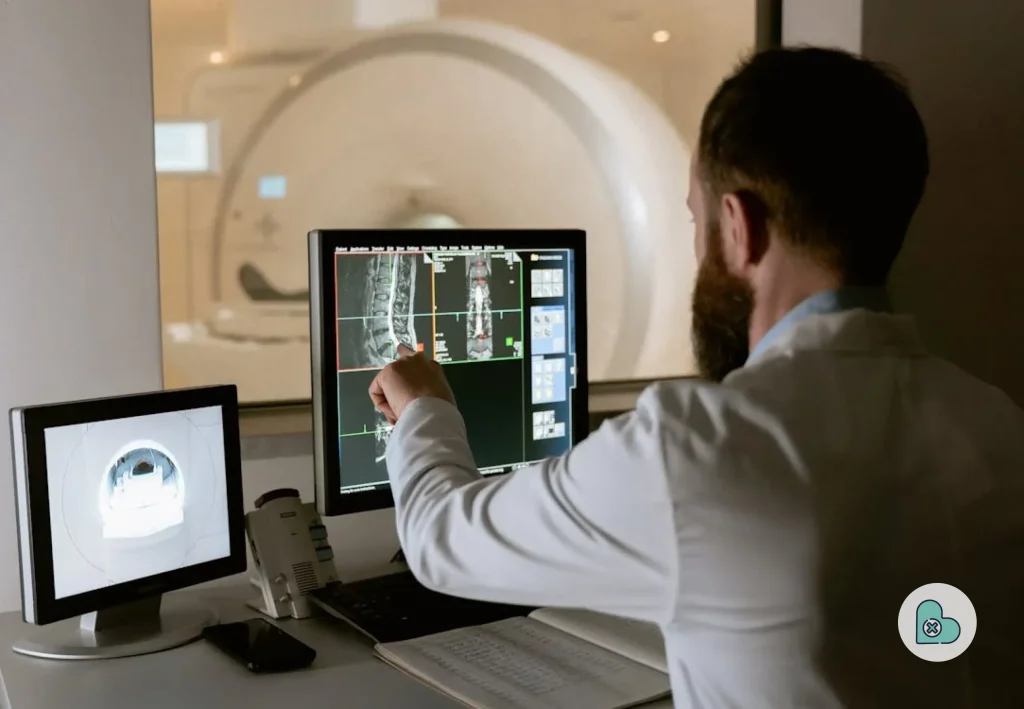
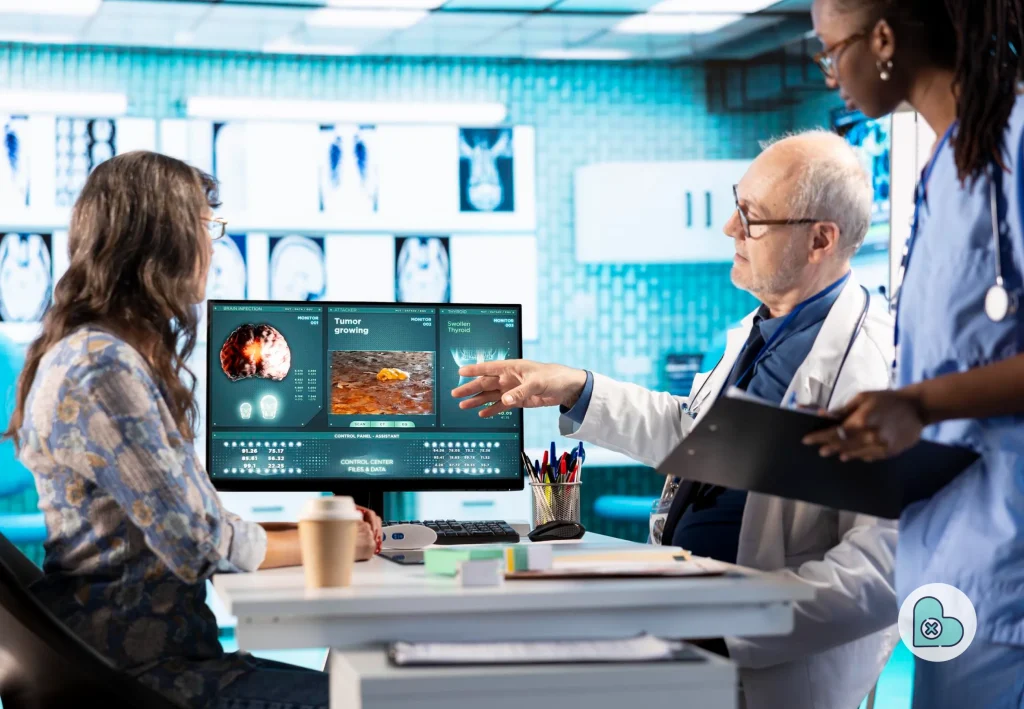
- Medical Imaging and AI Diagnostics: Tools for medical imaging AI analyze CT scans and MRIs. They identify fractures or internal bleeding in seconds. This speeds up AI diagnostics and helps radiologists manage their workload.
- AI Surgery Assistance: During operations, AI surgery assistance provides real-time guidance. Surgeons use augmented reality overlays to see 3D models of organs. This makes surgery safer and more precise.
- AI Patient Monitoring: An AI camera in health care can track a patient’s gait or posture. If someone falls, the AI patient monitoring system alerts the nurse immediately.
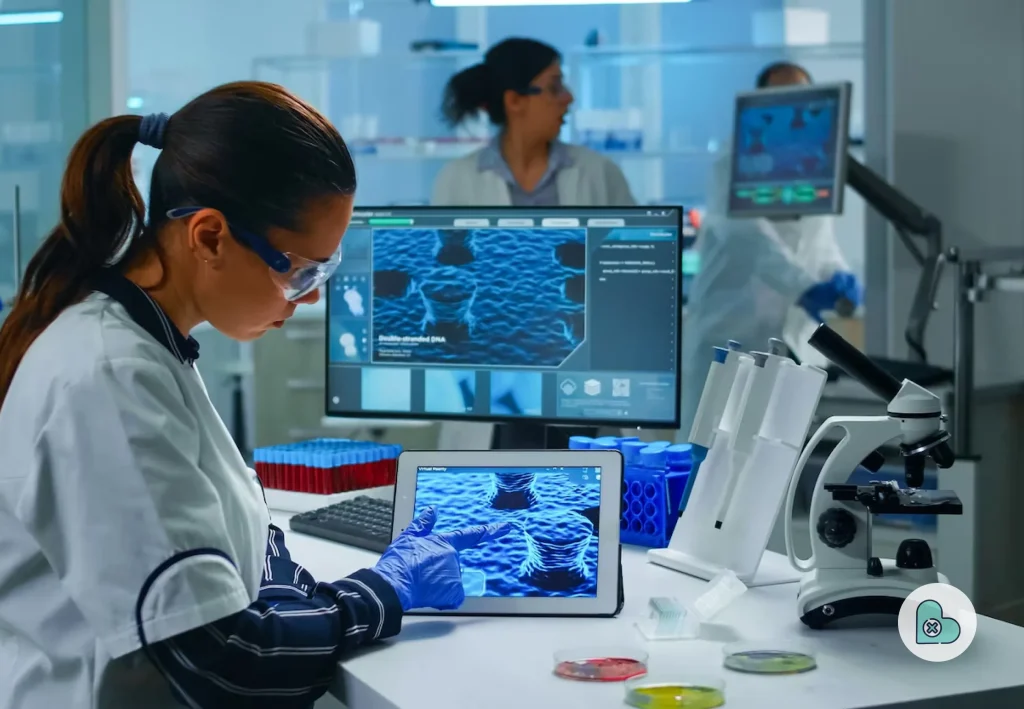
- AI Drug Discovery and AI in Pathology: Computers analyze biological samples to find new medicines. In AI in pathology, models spot cellular changes on slides. This helps create AI healthcare research that leads to personalized treatments.
Practical Examples and AI Healthcare Companies
Many big names are already using computer vision in healthcare. Google’s DeepMind AI is a famous example. It can diagnose eye diseases as well as the world’s best doctors. IBM Watson Health is another leader. They use AI in radiology to help oncology teams find cancer. Siemens Healthineers also integrates AI into its medical imaging systems. These AI healthcare companies are making AI hospital technology accessible to everyone.
Hospitals are also using AI healthcare solutions for safety. Many now use fall-detection systems powered by Computer Vision Healthcare technology.
These use computer vision AI to monitor patients at risk of slipping. If a patient moves dangerously, the system knows. This is a practical use of AI healthcare services. It shows how AI healthcare startups are solving real-world problems. By using AI healthcare platforms, hospitals can stay connected 24/7.
Important Things to Think About for Integration
When a hospital decides to start using AI in healthcare, it must consider the workflow. The best AI healthcare tools are the ones that fit into daily habits. This is called AI healthcare integration. Usually, the AI should connect with the electronic health record. This way, doctors don’t have to switch between different screens.
Another big point is how we train healthcare computer vision algorithms. Training in a real hospital is better than using a simulation. It helps the AI learn how to work with real nurses and doctors. However, training in a live environment raises concerns about the security of AI in healthcare. Patient privacy is a top priority. Dr. Gostine explains that they use “synthetic data” to train their AI. This exceeds HIPAA’s privacy rules.
Overcoming AI Healthcare Challenges
_ DC Studio _ freepik
Even with all this potential, there are still AI healthcare challenges. We need to look at these barriers clearly:
- Privacy Concerns: Handling sensitive patient images securely is a massive task. AI healthcare security must be perfect to build trust.
- Complex Systems: Aligning AI with old hospital IT systems is hard. This AI healthcare integration takes time and money.
- Bias Risks: If the data used to train the AI is not diverse, it can lead to misdiagnosis. We need to ensure AI healthcare is accurate for everyone.
- Strict Rules: Meeting AI healthcare compliance standards, such as FDA guidelines, is slow. But it ensures that AI healthcare tools are safe for everyone.
The Future of AI in Medicine
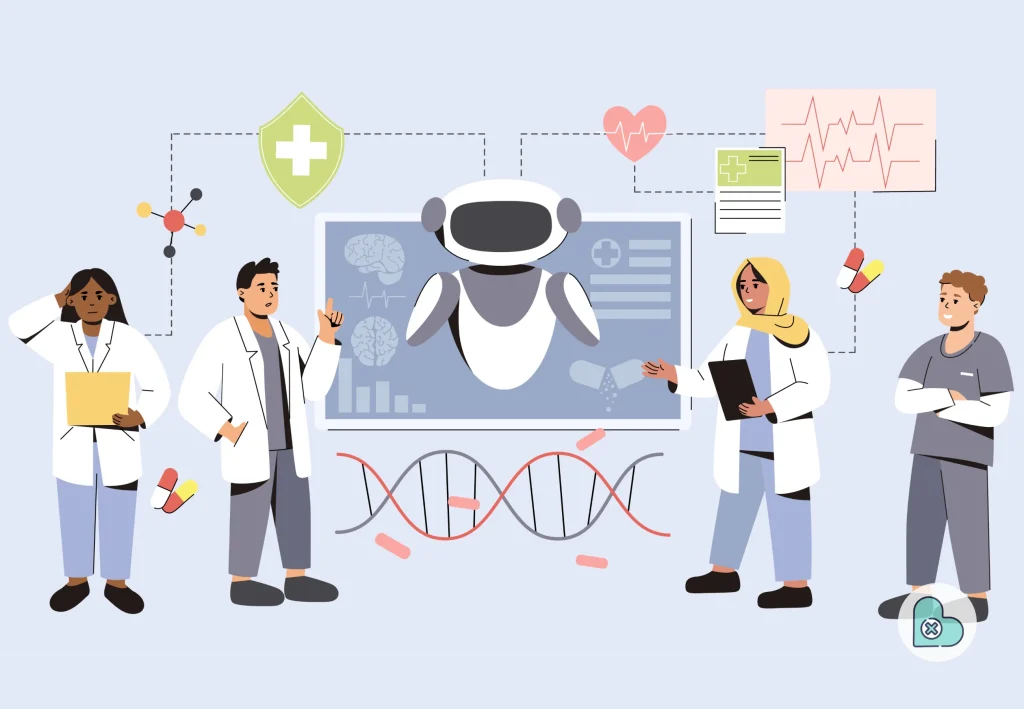
The future of AI in healthcare looks very bright. Soon, computer vision in healthcare will automatically generate medical reports. This will save radiologists a lot of time. It will maximize their output and reduce human error. The goal of Computer Vision Healthcare is to create systems that understand visual data just like humans do.
We are entering a time of great AI healthcare innovation. By using AI imaging tools, we can see things the human eye simply cannot. This will lead to a new era of artificial intelligence in medicine. From the smallest clinic to the biggest hospital, AI healthcare technology will be everywhere. It will help us live longer, healthier lives. The journey of computer vision AI is just beginning.



Leave a Reply