

Constipation is uncomfortable. It is frustrating. And almost everyone faces it at some point in life.
In simple terms, constipation means fewer bowel movements than usual or stools that are hard, dry, and painful to pass. For many people, the root cause is not a medical condition. It is daily food choices.
Your constipation diet matters more than you think. What you eat can either slow down digestion or help your gut work smoothly. That is why understanding foods to avoid for constipation is just as important as knowing what to eat.
In this blog, you will learn about 7 Foods to Avoid for Constipation Relief, why these foods slow digestion, and what to eat instead. You will also get natural constipation relief methods and practical constipation prevention tips you can apply daily.
This guide focuses on digestive and gut health, constipation, and long-term solutions that actually work.
Understanding Constipation and Diet
Constipation happens when food moves too slowly through the digestive system. When this happens, the colon absorbs too much Water from the stool. The result is hard, dry bowel movements that are difficult to pass. One of the biggest reasons behind this problem is diet.
A diet low in fibre and high in fat makes digestion sluggish. These are classic foods that are bad for digestion.
Fibre plays a key role in improving bowel movement naturally. It adds bulk to stool and helps it move through the intestines. Water softens the stool and supports smooth movement.
Think of this simple formula for constipation relief:
Fibre + Water = Better Bowel Movements
When either fibre or hydration is missing, bowel movement problems begin. This is why many constipation causes and remedies start with diet changes.
Foods to Avoid for Constipation Relief

1. Refined Grains (White Bread, Pasta, and Baked Foods)
Refined grains are one of the most common foods that cause constipation. These foods include products made from white flour. During processing, the grain’s outer fibre layer is removed. What remains is low-fibre starch that slows digestion.
Why refined grains worsen constipation
Refined grains contain almost no fibre. Without fibre, stools stay small and hard. This makes bowel movements painful and infrequent. These are classic signs of chronic constipation and diet issues.
Refined grains also digest quickly. This spikes blood sugar but does nothing for digestive system health.
Common refined grain foods
- White sandwich bread
- Regular pasta
- Flour tortillas
- Cakes, cookies, and muffins
These items often appear in the constipation foods list because they lack fibre.
Better choices for constipation relief
Choose fibre-rich foods for digestion instead.
- Whole-grain bread
- Brown rice and quinoa
- Whole wheat pasta
- Oats
These options support the best diet for constipation relief and improve stool bulk.
Key takeaway:
Replacing refined grains with whole grains is one of the easiest solutions to constipation.
2. Dairy Products (Cheese, Whole Milk, Ice Cream)
Dairy affects digestion differently for different people. For many, it is one of the worst foods for constipation.
Why dairy can slow digestion
Most dairy products contain fat but little fibre. High-fat foods slow stomach emptying. This causes food to move slowly through the intestines. For people with lactose sensitivity, dairy can cause bloating and gas. This discomfort often worsens constipation symptoms and causes.
Dairy foods to limit
- Cheese and cheese spreads
- Whole milk
- Ice cream
These items often appear in lists of foods that worsen constipation.
Better alternatives for gut health
- Low-fat or lactose-free dairy
- Yoghurt with probiotics
- Plant-based milks like almond or oat milk
Probiotic yoghurt may support gut health and constipation relief by improving gut bacteria balance.
3. Fried and Greasy Foods
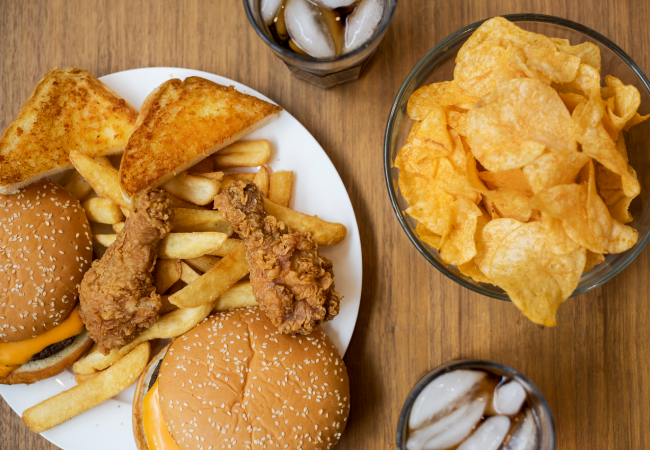
Fried foods are popular. But they are also major foods to avoid for digestive issues.
Why fried foods cause constipation
Fried foods are high in unhealthy fats. Fat slows digestion. When food moves slowly, the colon removes more Water from the stool. This leads to dry, hard stools. Fried foods also lack fibre. This double effect makes them some of the worst foods for constipation.
Common fried foods
- French fries
- Fried chicken
- Doughnuts
- Deep-fried snacks
These foods provide calories but very little digestive support.
Smarter swaps for digestion
- Baked snacks
- Air-fried vegetables
- Grilled meats instead of fried
Reducing fried foods supports natural methods for relieving constipation and overall gut health.
4. Processed Meats and Low-Fibre Proteins
Protein is important. But not all protein supports digestion.
Why processed meats worsen constipation
Processed meats are high in fat and contain no fibre. This slows digestion and increases the risk of constipation when eaten often. These foods sit longer in the gut, increasing constipation and diet imbalance.
Processed meats to avoid
- Sausages
- Hot dogs
- Bacon
- Deli meats
These are classic foods to avoid for relief from constipation.
Better protein options
- Lean poultry and fish
- Tofu and tempeh
- Beans, lentils, and legumes
Plant-based proteins also provide fibre. This makes them excellent foods for relieving constipation.
5. Alcohol and Excessive Caffeine
Drinks matter as much as food in a constipation diet plan.
Why alcohol and caffeine cause constipation
Alcohol and caffeine act as diuretics. They make your body lose Water. This leads to constipation and dehydration, which hardens stool. Without enough fluids, even high-fibre diets can worsen constipation.
Drinks to limit
- Alcoholic beverages
- Sugary coffee drinks
- Energy drinks and sodas
These drinks often appear on lists of foods bad for digestion.
Better hydration habits
- Drink plain Water regularly
- Choose herbal teas
- Use mineral water
Hydration is essential for relieving constipation naturally.
6. Unripe Bananas and Low-Fibre Starchy Foods
Not all fruits and starches help digestion.
Why these foods matter
Unripe bananas contain resistant starch. This type of starch digests slowly and can worsen constipation for some people. White potatoes, without their skins, also lack fibre. They fail to support bowel movement.
Foods to watch
- Unripe green bananas
- White potatoes, especially peeled
- Low-fibre starchy snacks
These are often added to foods to prevent digestive problems.
Better alternatives
- Ripe bananas
- Sweet potatoes with skin
- Fiber-rich vegetables
These choices support high fibre foods for constipation relief.
7. Sugary Snacks and Sweets
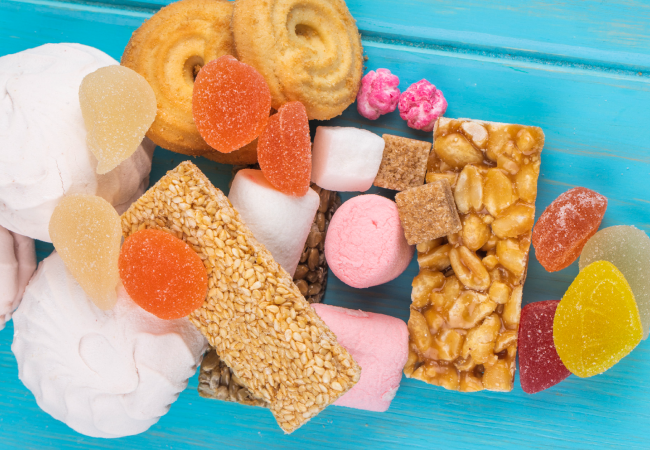
Sugar may taste good, but it harms digestion.
Why sugary foods worsen constipation
Sugary snacks are high in refined sugar and fat. They contain almost no fibre. This combination slows digestion and contributes to stool dryness. These are classic foods that cause constipation when eaten frequently.
Common sugary foods
- Cakes and cookies
- Candies
- Ice cream
- Sweet pastries
These foods add calories without digestive benefits.
Healthier sweet options
- Fresh fruits
- Yoghurt with fruit
- Dark chocolate in moderation
- Homemade whole-grain snacks
These options better align with a nature-based approach to constipation treatment.
Bonus: Everyone Reacts Differently to Foods
Not everyone responds to food the same way. Some people tolerate dairy well. Others do not. Tracking your diet helps identify personal triggers. A simple food diary can reveal patterns related to constipation and lifestyle changes. Listening to your body is a key part of long-term prevention of constipation.
Smart Eating Tips to Prevent Constipation

Avoiding problem foods is only part of the solution. Supporting digestion daily matters more.
Increase fibre intake Try to consume 25–35 grams of fibre each day. Fibre improves stool bulk and softness.
Good sources include:
- Whole grains
- Beans and legumes
- Fruits with skin
- Vegetables and leafy greens
These are core high-fibre foods for constipation.
Stay well hydrated
Fibre needs Water to work. Drink at least eight glasses daily. Increase intake during heat or exercise. This prevents constipation and dehydration.
Stay active
Movement stimulates intestinal muscles. Even daily walking improves bowel movements.
Build a routine
Using the bathroom at regular times trains your body. This supports consistent digestion.
Conclusion
Managing constipation does not require extreme changes. Small, consistent food swaps create significant results. Avoiding the 7 Foods to Avoid discussed above can significantly improve digestion. Replacing them with fibre-rich, hydrating foods supports long-term gut health.
A strong constipation diet focuses on whole foods, Water, and movement. When combined, these habits form effective home remedies for constipation. Healthy digestion is a daily balance. Eat wisely. Drink enough Water. Stay active.
With mindful choices, constipation relief becomes achievable and sustainable over time.






Leave a Reply