

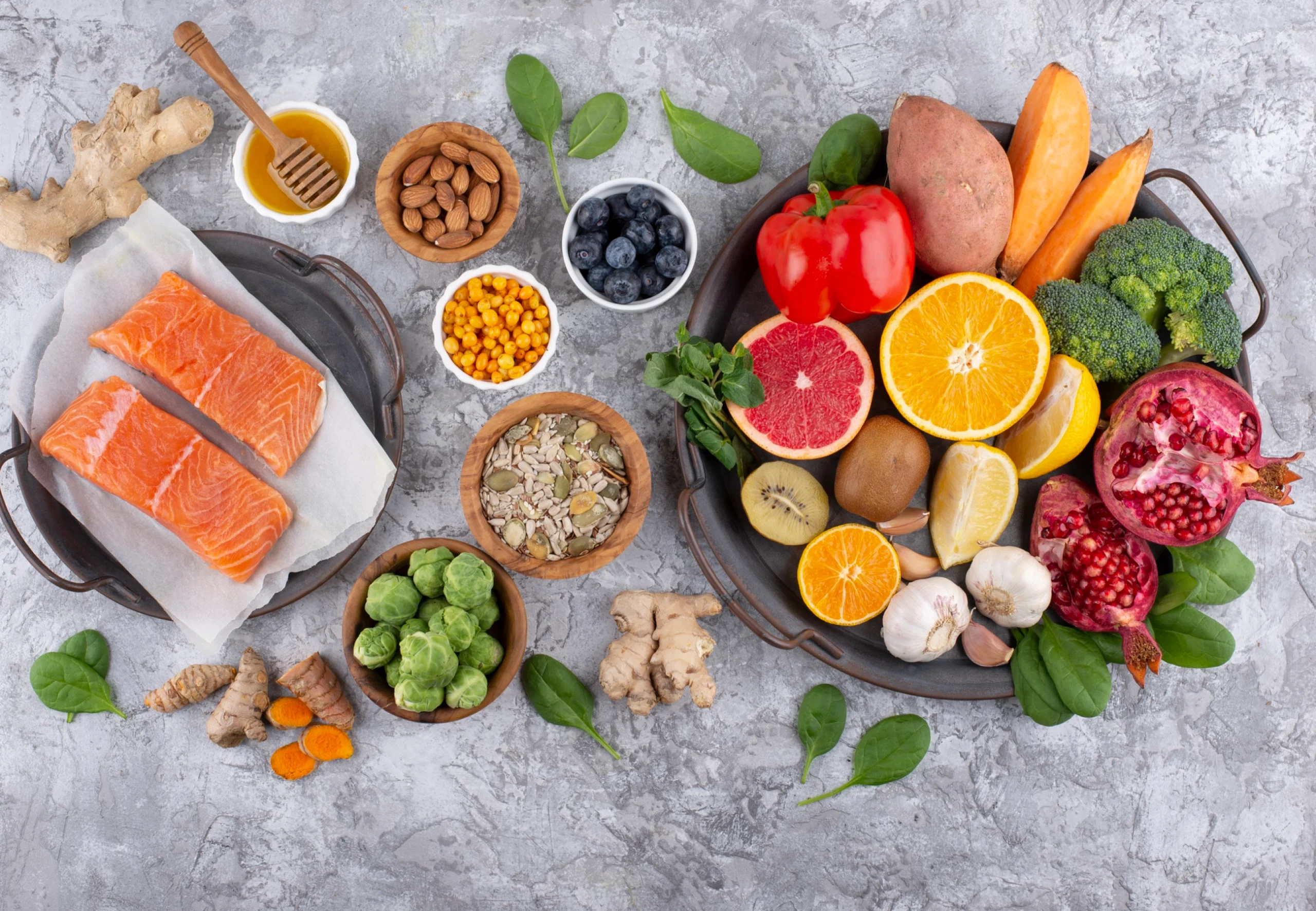
Inflammation is a hot topic right now. You hear about it in health podcasts. You see it on food labels. So how does this affect you in real life? Think of inflammation as your body’s internal security team. When you get a cut or a cold, your body sends out white blood cells to protect you. This is a good thing. It helps you heal. However, there is a dark side to this process. Sometimes, the “security team” doesn’t stand down. It stays on high alert 24/7. This is what doctors call chronic inflammation.
When inflammation persists in your body for too long, it can cause damage. It is like a fire that never goes out. Over time, this “fire” can lead to serious health issues. We are talking about joint pain, heart disease, and even diabetes. It can leave you feeling low on energy. It can even mess with your immune system. The good news is that you have a powerful tool to fight back. That tool is your fork. By choosing the right foods that fight inflammation, you can put out the fire naturally. You can take control of your health starting with your next meal.
What is Inflammation in the Body?

To fix the problem, we first need to understand it. Inflammation in the body comes in two main types. The first is acute inflammation. This is the redness you see around a scraped knee. It is short-term and helpful. The second type is the real enemy: chronic inflammation. This type is invisible. It happens deep inside your tissues and organs. It doesn’t go away after a few days. Instead, it lingers for months or years.
This long-term stress on your body is dangerous. It wears down your systems. Scientists have found that a diet to reduce inflammation naturally is one of the best defences we have. You don’t always need a pharmacy to feel better. Often, the grocery store has exactly what you need. By eating anti-inflammatory foods, you signal your body to calm down. You are giving your cells the raw materials they need to repair themselves. It is a simple shift that leads to significant results.
Why Chronic Inflammation is Harmful

You might be wondering, “How bad can it really be?” The truth is that chronic inflammation is a silent killer. It is linked to almost every primary modern disease. For many people, the first sign is joint pain. Your knees might ache, or your hands might feel stiff in the morning. This happens because inflammation attacks the tissues in your joints. But it doesn’t stop there. It can also damage your arteries, which leads to heart problems.
It also affects your metabolism. When your body is inflamed, it struggles to process sugar. Over time, this may cause insulin resistance and type 2 diabetes. Even your brain isn’t safe. High levels of inflammation are linked to brain fog and mood swings. This is why finding natural ways to reduce inflammation is so vital. It isn’t just about living longer. It is about living better. It is about having the energy to enjoy your life without constant aches or fatigue.
Common Causes of Inflammation
Before we dive into the best foods for inflammation, let’s look at why it happens. Today’s lifestyle creates the perfect conditions for inflammation. Many people rely heavily on processed foods. These items often contain chemicals and preservatives. We also eat way too much sugar. High sugar intake triggers a massive inflammatory response in the blood. Then there is stress. When you are stressed, your body pumps out cortisol. In small doses, cortisol is fine. But constant stress keeps your body in a state of emergency.
Other factors include a lack of sleep and a sedentary lifestyle. If you sit at a desk all day and only sleep five hours a night, your body can’t recover. This creates a cycle of damage. You feel tired, so you eat sugary snacks. The sugar causes more inflammation, which makes you feel even more tired. Breaking this cycle is the key to feeling great. By removing inflammation-causing foods and adding healthy habits, you give your body a fighting chance.
1. Fatty Fish: The Omega-3 Powerhouse
If you want to fight inflammation, start with fatty fish. We are talking about salmon, sardines, and mackerel. These fish are rich in omega-3 fatty acids, the “good fats” your body can’t produce on its own, so you need to get them from food. Omega-3s work by blocking the pathways that cause inflammation. They act as a natural brake on your immune response.
Eating these fish regularly is great for a diet for joint and heart health. It keeps your blood flowing smoothly and your joints moving freely. Many studies show that people who eat fatty fish have lower levels of inflammatory markers in their blood.
- Actionable Tip: Try to eat fatty fish at least 2 to 3 times a week.
- Pro Tip: If you don’t like fish, consider a high-quality fish oil supplement to get those omega-3 fatty acids.
2. Turmeric: Nature’s Gold
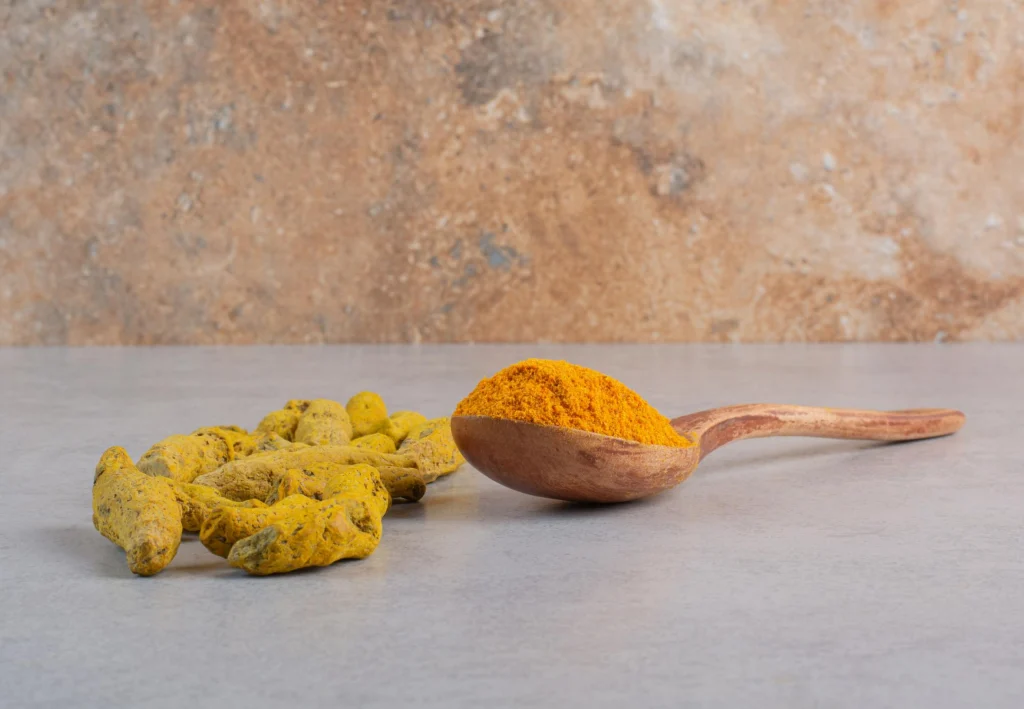
You may have turmeric in your spice cabinet. This bright yellow spice has been used for thousands of years in traditional medicine. The secret ingredient in turmeric for inflammation is a compound called curcumin. Curcumin is a powerhouse. It is so effective that some studies suggest it works as well as some over-the-counter pain relievers. It helps soothe joint pain and supports your digestive system.
However, there is a trick to using it. Your body isn’t very good at absorbing curcumin on its own. You need to help it out. Always pair turmeric with black pepper. Black pepper contains piperine, which boosts turmeric absorption by 2,000%.
- Actionable Tip: Add a teaspoon of turmeric to your soups, stews, or even your morning eggs.
- Deep Note: Making a “Golden Milk” latte with almond milk, turmeric, and black pepper is a delicious way to enjoy these natural anti-inflammatory foods.
3. Berries: Tiny But Mighty
Berries are more than just a sweet treat. Blueberries, strawberries, and raspberries are some of the best antioxidant-rich foods on the planet. Antioxidants are compounds that help shield your cells from damage. They fight off something called “oxidative stress.” Think of oxidative stress like rust on a car. It eats away at your cells and causes inflammation. Berries act like a protective coating that prevents this rust from forming.
They are also very high in fibre. Fibre is essential for gut health. Since a considerable part of your immune system lives in your gut, keeping it happy is a priority. Berries are low in sugar compared to other fruits so that they won’t cause a blood sugar spike. This makes them a perfect staple in any anti-inflammatory meal plan.
- Actionable Tip: Keep a bag of frozen berries in your freezer. They are just as nutritious as fresh ones and last much longer.
- Serving Idea: Toss a handful into your oatmeal or Greek yoghurt for an instant health boost.
4. Leafy Greens: The Green Machine
We have all been told to “eat our greens.” There is a good reason for that. Spinach and kale are full of essential vitamins and minerals. They are exceptionally high in vitamin K and vitamin C. These nutrients help your body manage inflammation. Leafy greens also contain large amounts of chlorophyll. This is the pigment that makes them green, and it has its own healing properties.
Adding greens to your diet is one of the easiest ways to get foods that lower inflammation. They are very low in calories but very high in nutrients. This helps you maintain a healthy weight. Since carrying extra weight can increase inflammation, greens provide a double benefit. They fight the fire and help you stay lean.
- Actionable Tip: If you don’t like kale’s taste, try blending it into a fruit smoothie. You won’t even taste it!
- Cooking Tip: Lightly sauté your spinach with garlic and olive oil to increase the absorption of fat-soluble vitamins.
5. Nuts and Seeds: Healthy Fats for the Win
Walnuts and flaxseeds are incredible for your health. They are excellent sources of healthy fats for inflammation. Like fatty fish, they contain plant-based omega-3 fatty acids. They also provide a good dose of plant protein and fibre. Eating a small handful of nuts can help lower your “bad” cholesterol and reduce markers of inflammation.
Flaxseeds are particularly interesting. They contain lignans, which have antioxidant properties. To get the most benefit, you should eat ground flaxseeds. Your body can’t digest whole seeds very well. These foods to reduce inflammation are also great for brain health. They help keep your mind sharp as you age.
- Actionable Tip: Sprinkle ground flaxseeds on your cereal or salads every day.
- Snack Idea: Keep a small container of raw walnuts in your car or at your desk. It stops you from reaching for inflammatory foods to avoid when you get hungry.
6. Extra Virgin Olive Oil: The Mediterranean Secret
Extra virgin olive oil plays a central role in Mediterranean-style eating. It is widely considered one of the healthiest fats on earth. It contains a unique compound called oleocanthal. This substance has an effect similar to ibuprofen. It literally inhibits the enzymes that cause pain and swelling. This makes it one of the top foods that fight inflammation.
When you use olive oil correctly, you support your heart and your brain. Just make sure you are buying “Extra Virgin.” This means the oil was pressed without high heat or chemicals. This process keeps all the healthy nutrients intact.
- Actionable Tip: Use olive oil as a finishing oil. Drizzle it over your food after it is cooked to preserve its delicate compounds.
- Storage Tip: Store olive oil in a cool, dark spot to keep it fresh. Light and heat can make it go rancid, which actually causes inflammation.
7. Ginger: The Soothing Root
Ginger is a relative of turmeric. It has a long history of being used for upset stomachs. But its ginger anti-inflammatory benefits go much further than that. Ginger contains gingerols. These are compounds that reduce muscle soreness and joint stiffness. If you exercise a lot, ginger can help your muscles recover faster.
It also helps with digestion. A healthy gut is less likely to be inflamed. You can use ginger in many ways. It works in savoury dishes, sweet treats, and drinks. It adds a nice zing to your food while doing hard work behind the scenes to keep you healthy.
- Actionable Tip: Make a simple ginger tea by steeping fresh ginger slices in hot water for 10 minutes.
- Cooking Idea: Grate fresh ginger into your stir-fries or salad dressings for a fresh flavour.
Inflammatory Foods to Avoid

To make progress, you have to stop adding fuel to the fire. Certain foods can trigger your immune system. The biggest offender is added sugar. High-fructose corn syrup is found in soda, candy, and even bread. It causes a quick spike in insulin and inflammation. Also, be careful with trans fats. These are often found in fried fast foods and processed baked goods.
Refined carbohydrates are another problem. White bread and white pasta turn into sugar very quickly in your body. Finally, limit processed meats like deli cold cuts and hot dogs. These often contain nitrates, which can be inflammatory. By avoiding these inflammation-causing foods, you give your body the space it needs to heal.
Building Your Anti-Inflammatory Meal Plan
Creating a diet to reduce inflammation naturally doesn’t have to be hard. You don’t need fancy recipes. You need to focus on whole, single-ingredient foods. Begin your day with a bowl of oatmeal, fresh berries, and crunchy walnuts. For lunch, have a large salad with leafy greens, grilled chicken or beans, and a dressing made of olive oil and lemon.
For dinner, try baked salmon with steamed broccoli and quinoa on the side. Use plenty of turmeric and ginger in your cooking. If you get hungry between meals, reach for a piece of fruit or a few nuts. This anti-inflammatory meal plan is simple, delicious, and very effective. Over time, these small choices add up to a much healthier you.
Summary Table: Top Anti-Inflammatory Foods
| Food Item | Key Nutrient | Main Benefit |
| Fatty Fish | Omega-3 Fats | reduce joint pain and help heart health |
| Turmeric | Curcumin | a Powerful natural pain reliever |
| Berries | contain Antioxidants | That Protect cells from oxidative stress |
| Leafy Greens | Vitamin K | supports gut and immune health |
| Olive Oil | Oleocanthal | Acts like a mild, natural anti-inflammatory |
| Ginger | Gingerols | soothe muscles and improve digestion |
Conclusion
Choosing foods that fight inflammation is one of the smartest things you can do for your body. It is a natural way to protect yourself from disease and feel more energetic. You don’t have to change everything overnight. Add one or two of these foods to your meals this week and see the difference. Swap your morning bagel for some berries and yoghurt. Try replacing butter with olive oil.
Every meal is a chance to heal. By focusing on anti-inflammatory foods, you are investing in your future. You will likely notice less pain, clearer skin, and greater focus. Nature gives us all the tools we need to stay healthy. All we have to do is put it on our plates. Consistency is the key. Stick with it, and your body will thank you.
FAQ Section
Q1. What is the most anti-inflammatory food?
There isn’t just one “superfood,” but fatty fish, turmeric, and leafy greens are often at the top of the list. They provide the most potent punch against chronic inflammation.
Q2. Can diet really reduce inflammation?
Absolutely. Studies show that a diet to reduce inflammation naturally can lower C-reactive protein (CRP) levels in the blood. This is a key marker that doctors use to measure inflammation.
Q3. How long does it take to see results?
Many people notice improvements within a few weeks. You might see less bloating or more energy quite quickly. However, the most significant benefits for joint and heart health come after months of consistent healthy eating.






Leave a Reply