

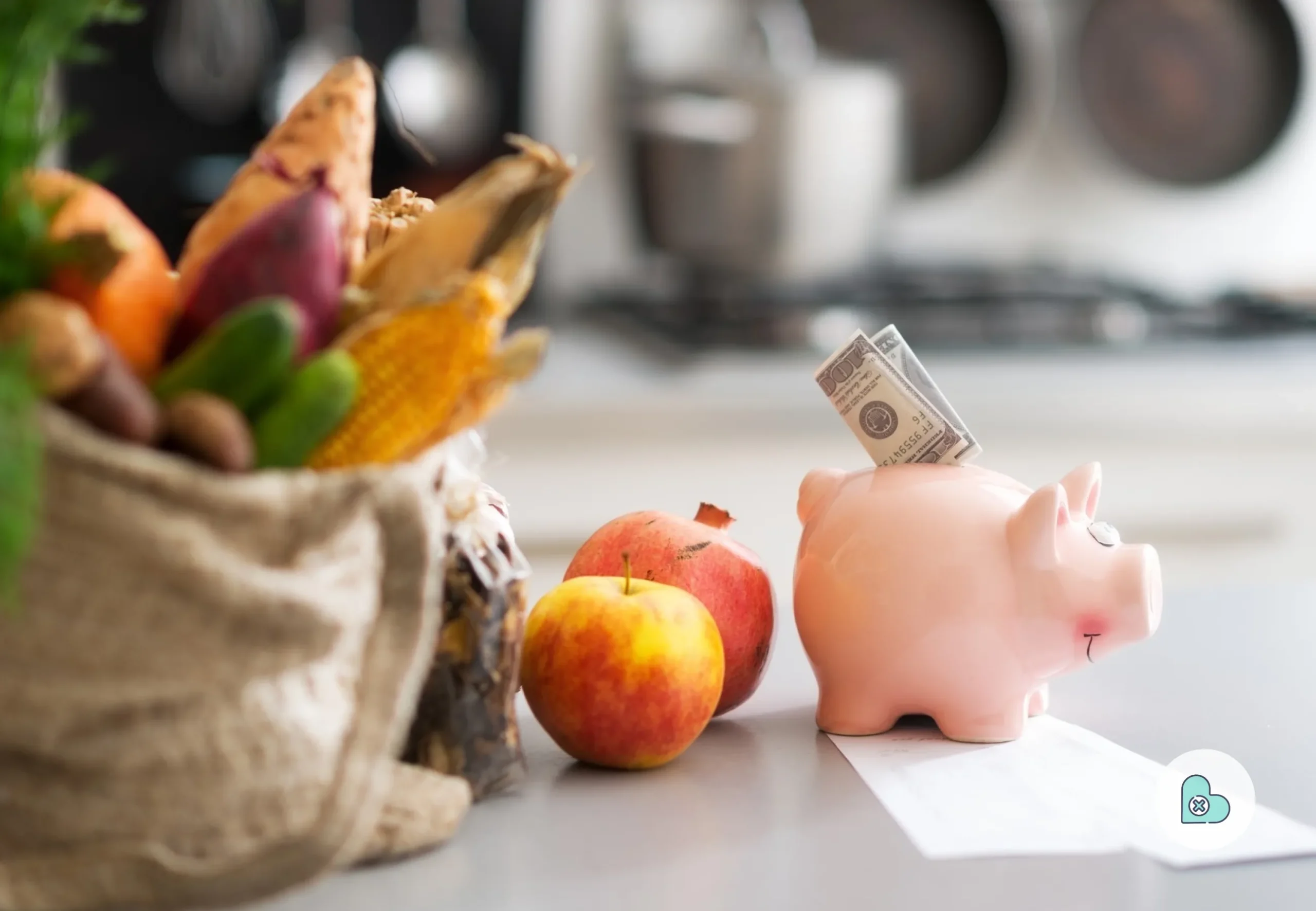
Eating healthy is expensive. At least, that is what everyone tells you. Everywhere you look, there’s a $12 salad or an $8 juice on the shelf. It feels like you need a fortune to buy broccoli. But here is the truth. You don’t.
Most people believe that nutritious, low-cost meals are a myth. They think fast food is the only way to save money. Organic labels and “superfood” marketing make us feel broke before we even reach the checkout line. It creates a massive barrier to fitness. But I have a secret for you. Eating healthy doesn’t have to cost a lot. It saves you money.
With a solid strategy, you can eat clean without overspending. It is all about how you shop and what you choose. You do not need a massive income to fuel your body with quality fuel. In this guide, you will discover 5 practical ways to eat healthy on a budget while slashing your grocery bill. Let’s dive in.
Why Healthy Eating Feels So Expensive

_ freepik _ pvproduction
Why does a bag of chips cost less than a bag of apples? It feels unfair. Usually, healthy food seems pricey because of clever marketing. Organic labels often raise prices instantly without adding much value. Trendy “superfoods” from faraway countries also drive up the cost. You are usually paying for the brand, not the nutrition.
Another big reason is food waste. We buy fresh greens with good intentions. Then, they sit in the fridge and turn into slime. That’s like tossing your money straight into the garbage. Impulse buying also hurts your wallet. When you walk into a store without a plan, you grab whatever looks good. Usually, those are the high-priced, processed items.
The good news? You don’t need fancy ingredients to be healthy. You don’t need fancy goji berries or costly health powders. You need a system. Once you master smart grocery shopping tips, the cost of your diet will plummet. You can eat healthy meals without spending much — every day.
1. Plan Your Meals Before You Shop
If you want to eat healthy on a budget, you must start at home. Walking into a store without a list is a recipe for disaster. It is the fastest way to overspend. You end up buying things you already have or things you don’t need. This is where budget meal planning becomes your best friend.
Spend ten minutes every Sunday looking at your pantry. See what you already own. Then create a weekly meal plan using those items. When you have a clear strategy, you stay on track. You won’t get distracted by the “buy one, get one” deals on sugary cereal. Stick to your cheap, healthy grocery list and get out of the store fast.
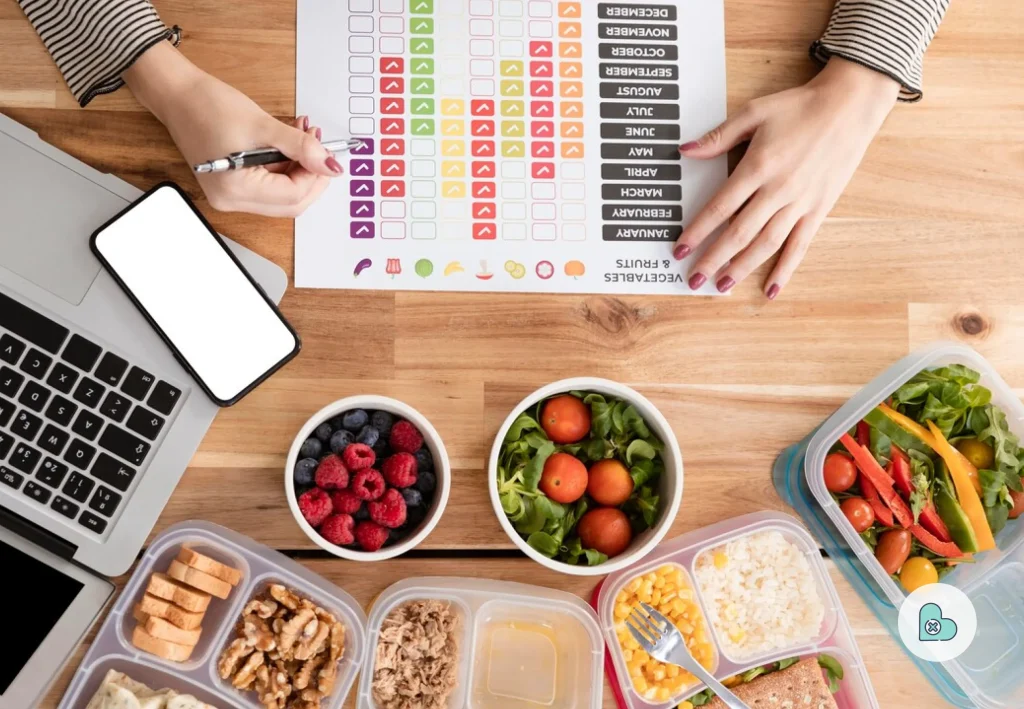
Another trick is to focus on seasonal fruits and vegetables. When fruits and vegetables are in season, there’s plenty of them. When it is abundant, it is cheap. Plus, it tastes much better. By planning around what is growing right now, you naturally save money while eating healthy. It is a win for your taste buds and your wallet.
Pro Tip: Never shop when you are hungry. Hunger makes everything look delicious. You will end up with a cart full of snacks you didn’t plan for.
2. Buy Whole Foods, Not Processed Foods
Packaged foods are a trap. They offer “convenience,” but you pay a heavy price for it. Usually, these items cost more per serving and provide less nutrition. Think about a bag of pre-cut carrots. It costs twice as much as whole carrots. You are paying a premium for someone else to use a knife.
Instead, focus on inexpensive healthy foods that come in their natural form. Think of staples like beans, lentils, and brown rice. These are the ultimate low-cost, nutritious foods. They stay fresh for months and fill you up. One bag of dried lentils can feed a family for several meals. That is the definition of healthy eating without overspending.
Don’t forget the freezer aisle. Frozen vegetables are often just as good for you as fresh ones. They are frozen at peak ripeness, locking in the vitamins. They are much cheaper and won’t spoil in three days. This is a key part of any cost-effective diet plan. You get the nutrients without the risk of rot.
3. Cook at Home More Often
Your kitchen is the most powerful tool for your health. Eating out regularly is the biggest budget killer. Even a “cheap” fast food meal costs more than a home-cooked feast. When you cook, you control every cent and every calorie. You know precisely how much oil and salt are in your food.
Try batch cooking on your days off. Make a huge pot of chilli or a large tray of roasted veggies. This is the core of healthy meal prep on a budget. When you have ready-to-eat meals in the fridge, you won’t order pizza after a long day. You become your own chef and your own accountant.
Cooking at home to save money is also a great way to bond with family. It makes eating an event rather than a chore. You can even use leftovers to create new meals. Last night’s roasted chicken can become today’s salad topper. This simple habit can reduce your food spending by 50% or more.
4. Buy in Bulk (The Right Way)
Buying in bulk can save you a fortune over time. It significantly reduces the unit price. But you need to be smart about it. Don’t buy five gallons of mayonnaise just because it’s on sale. Focus on the dry goods that form the base of nutritious, low-cost meals.
Best items to buy in bulk:
- Grains like rice, oats, and quinoa.
- Legumes like dried beans and lentils.
- Protein-rich budget foods like eggs or large packs of chicken.
- Nuts, seeds, and healthy oils.
These items have a long shelf life. They are the backbone of a cheap, healthy grocery list. By stocking up when prices are low, you avoid the weekly price swings at the store. Just make sure you have enough storage space. Wasted food is wasted money, so only bulk buy what you will actually eat.
5. Reduce Food Waste at Home
Food waste is a silent budget killer. Most families throw away nearly 25% of the food they buy. That is like taking a $100 grocery bill and tossing $25 directly into the trash. If you want to save money on groceries, you have to stop the leak.
Start by storing your food correctly. Keep your greens in airtight containers. Freeze bread if you won’t finish it. You can even use vegetable scraps to make a delicious homemade broth. These small changes lead to massive savings over the course of a year. It turns your kitchen into a zero-waste zone.
Every time you throw away an old tomato, you are losing money. Instead, try to have a “clear the fridge” night once a week. Throw all your leftover veggies into a stir-fry or an omelette. It is a creative way to discover new budget-friendly healthy recipes. It keeps your fridge clean and your bank account full.
Sample Budget-Friendly Healthy Meal Plan
_ KamranAydinov _ freepik
You don’t need a complicated plan to see results. Here is a simple example of how to eat healthy on a budget for one whole day.
- Breakfast: Large bowl of oats with a banana and a scoop of peanut butter.
- Lunch: Brown rice, black beans, and sautéed seasonal vegetables.
- Snack: Two hard-boiled eggs with a dash of salt and pepper.
- Dinner: A large vegetable stir-fry served with whole-wheat chapati or pita.
These are all affordable meal ideas that provide balanced nutrition. They use simple ingredients you can find at any local market. You get fibre, healthy fats, and plenty of protein without spending a lot.
3 Budget-Friendly Healthy Recipes
_ KamranAydinov _ freepik
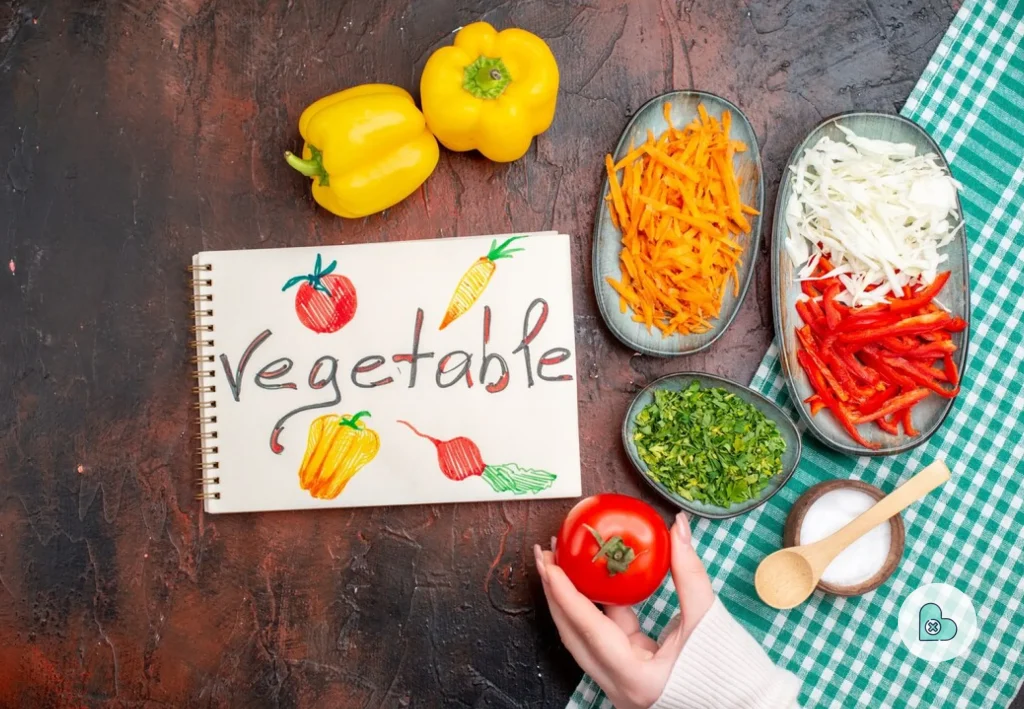
Let’s get specific. You want to know exactly what to cook tonight. These three recipes are designed to be cheap, high-protein meals that taste amazing.
1. One-Pot Lentil & Rice Bowl
This is one of the most famous nutritious low-cost meals in the world. It is packed with plant-based protein and fibre.
Ingredients:
- 1 cup dried lentils
- 1 cup brown rice
- 1 chopped onion and 1 tomato
- Spices: Salt, turmeric, and cumin
Method: Throw everything into one pot with four cups of water. Simmer until the water is absorbed and the lentils are soft. This meal costs pennies per serving. It is perfect for healthy meal prep on a budget because it stays fresh in the fridge for five days.
2. Vegetable Egg Stir Fry
Eggs are the ultimate protein-rich budget foods. They are cheap, fast, and full of vitamins.
Ingredients:
- 2-3 large eggs
- Any leftover vegetables (cabbage, carrots, or spinach)
- Garlic and ginger for flavor
Method: Sauté your vegetables in a pan until they are slightly soft. Push them to the side and crack your eggs into the middle. Scramble them together until cooked. This is a great way to save money on groceries while getting a high-quality dinner on the table in ten minutes.
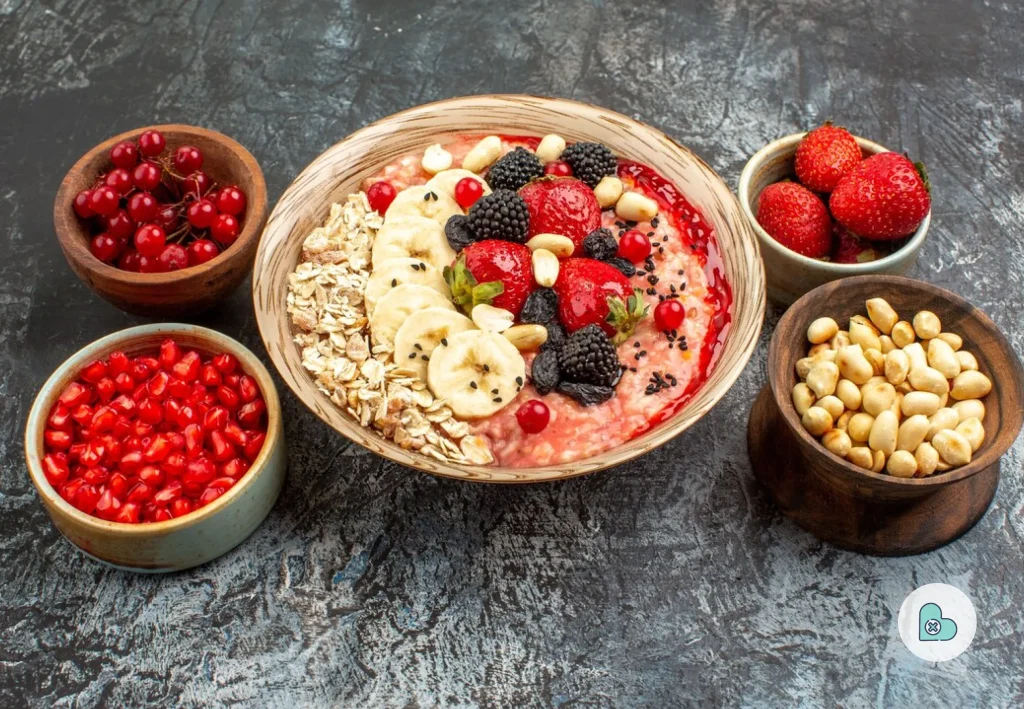
3. Oats & Peanut Butter Energy Bowl
_ KamranAydinov _ pixel
This is a classic for a reason. It uses inexpensive, healthy foods to give you lasting energy for hours.
Ingredients:
- 1 cup rolled oats
- 1 ripe banana
- 1 tablespoon of peanut butter
Method: Cook the oats with water or milk on the stove. Once thick, top it with the sliced banana and peanut butter. It is one of the most budget-friendly healthy recipes for busy mornings. It keeps you full, so you won’t be tempted to buy a mid-morning muffin.
Conclusion: Start Saving Today
You now have the blueprint to eat healthy on a budget. It does not require a miracle or a massive raise. It requires a bit of focus and a few weekly meal planning tips.
Start small. This week, try to make a list before you go to the store. Choose one new recipe from the list above. Cook at home just one extra night this week. Your health and your wallet will start to improve immediately. Healthy food on a budget is not just a dream—it is a choice you make every time you shop.





Leave a Reply