

Humans Actually Have Secret Stripes And Other Strange Markings
At first glance, human skin looks smooth and even. It feels simple. But that’s only what we see. Beneath the surface, humans have secret stripes that most people never notice. These patterns are real, natural, and backed by science.
These secret stripes on human skin are not myths or online theories. Dermatologists have studied them for decades. What’s surprising is that almost everyone has them, yet very few people ever see them.
Along with these stripes, there are other natural markings on human skin. Together, they form hidden patterns on human skin that explain how complex human development truly is.
What Are the “Secret Stripes” on Human Skin?
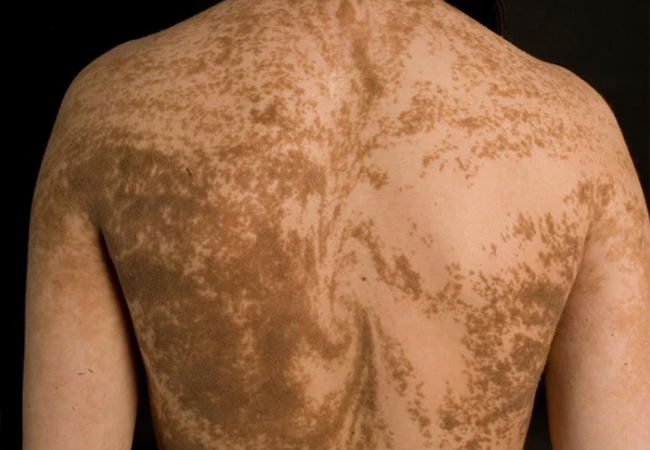
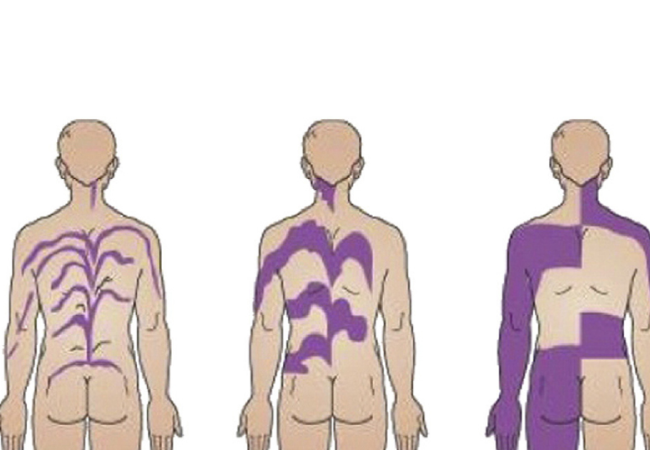
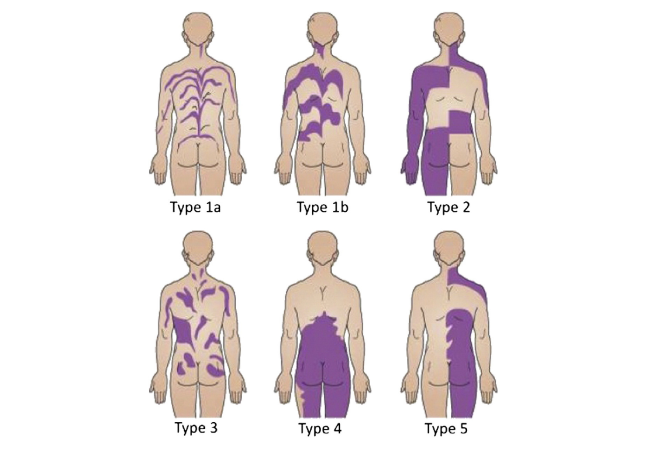
The secret stripes are known as Blaschko’s lines. More specifically, they are often called Blaschko lines in humans. These are invisible skin patterns that follow fixed paths across the body.
In simple terms, Blaschko lines in humans show how skin cells move and spread during early growth. This process happens during embryonic skin development, long before birth. As skin cells divide and travel, they leave behind a biological roadmap.
These lines are not physical structures. You can’t touch or feel them. But they remain in the skin for life. That’s why many skin patterns in humans follow the same paths again and again.
Typical Blaschko’s line patterns include:
- V-shaped lines on the upper back
- Wavy patterns on the chest and abdomen
- Curved lines on arms and legs
They are not animal-like stripes. They are biological skin patterns unique to human development.
Why Can’t We See These Stripes Normally?
The main reason is melanin and skin color. Melanin spreads evenly in healthy skin. This smooth distribution hides the lines and keeps skin tone balanced.
However, some factors can reveal these hidden skin lines. Changes in pigment, inflammation, or irritation can make them visible. Light and UV exposure may also highlight areas where cells behave differently.
Unlike animal markings, Blaschko lines in humans were never meant to be seen. They don’t help with camouflage or appearance. They reflect how the skin forms.
When Do These Hidden Skin Patterns Become Visible?
Doctors often notice these patterns during skin issues. Certain skin conditions and pigmentation changes bring them to the surface.
Common situations include:
- Eczema, psoriasis, or vitiligo
- Viral infections or unusual rashes
- Sunburns or uneven tanning
- Allergic or chemical skin reactions
In many cases, skin rashes follow the Blaschko lines in humans. This helps dermatologists better understand dermatological skin patterns.
Other Strange Markings Humans Can Have
Secret stripes are only one part of the story. Humans also show other unusual skin markings.
These include birthmarks and skin markings such as café-au-lait spots, port-wine stains, and moles. Some people have mosaic skin patterns, caused by genetic differences between skin cells. Others develop streaks or patches linked to genetic skin patterns.
Most of these markings are harmless. They highlight the complexity of human genetics.
Are These Markings Dangerous or Harmful?
In most cases, these markings are entirely typical. They form early and remain stable. Medical advice is needed if:
- A mark changes quickly
- Pain, itching, or bleeding appears
- A new pattern suddenly shows up
The most significant warning sign is change. Stable patterns are usually safe.
What Do These Patterns Reveal About Human Biology?
These secret stripes on human skin help scientists understand growth. They show skin cell migration, cell division, and genetic expression. They also explain why humans have skin patterns that follow strict rules.
Simply put, the human body is far more complex than it looks.
Fun Facts About Human Skin You Probably Didn’t Know
- Skin is the largest organ in the body
- It renews itself every 28–30 days
- Everyone has unique skin patterns
- Humans share skin development traits with animals
Your skin is more than protection. It’s a living biological record.
Frequently Asked Questions (FAQs)
Are Blaschko’s lines present in everyone?
Yes. Every person has them, even if they never appear.
Can these stripes be seen without medical tools?
Usually no. Certain skin conditions can make them visible.
Do these markings change over time?
The pattern stays the same, but visibility may change.
Conclusion
Humans may look simple on the outside. But beneath the surface, humans have secret stripes and other fascinating signs of development. These hidden patterns on human skin, including Blaschko lines, reveal how detailed and intelligent the body truly is.
The next time you look at your skin, remember this: the real science lies just beneath what you can see.






Leave a Reply