


Menopause and Mental Health: Everything You Need to Know About Your Changing Brain
Menopause is a normal and natural phase in a woman’s life. It marks the end of your monthly periods and your reproductive years. For most women, this transition happens between the ages of 45 and 55. We often hear about symptoms like hot flashes and night sweats. However, the menopause and mental health connection is just as important. In fact, for many women, the mental shifts are the most challenging part of the entire journey.
Mental health during this time matters deeply. You might experience menopause and mood changes or anxiety for the very first time. Some women feel a sudden drop in confidence. Others struggle with memory issues that make daily work feel impossible. These menopause brain changes can affect your job, your marriage, and your quality of life. When your mental well-being suffers, everything else feels harder to manage.
The reason for these shifts lies in your brain chemistry. Hormones like estrogen do much more than just regulate your cycle. They actually influence how your brain functions. Estrogen helps manage your mood, your sleep, and your emotional balance. When these levels drop, your brain has to work harder to stay stable. This guide will explain the menopausal brain in a clear and supportive way. We want you to feel informed and empowered by the latest menopause neuroscience research.
What Happens to the Menopausal Brain?
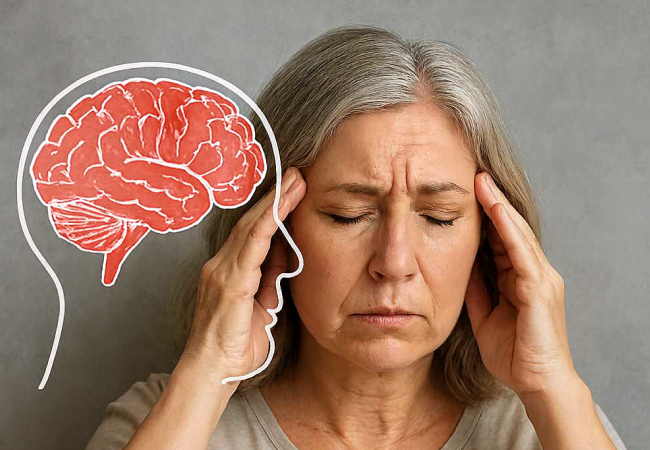
During menopause, your estrogen levels decline significantly. This is a big deal because estrogen is like fuel for your brain cells. It supports memory and keeps your mood stable. It also helps you stay calm when you’re under pressure. When estrogen drops, the menopausal brain must adjust to an entirely new environment. This adjustment period is where most menopause mental health symptoms begin to appear.
Estrogen also affects brain chemicals called neurotransmitters. You have likely heard of serotonin and dopamine. These are your “feel-good” chemicals. They regulate your happiness and your motivation. The estrogen serotonin connection is powerful. When estrogen is low, your serotonin activity often drops too. This can lead to irritability or a persistent low mood. You aren’t “going crazy.” Your brain is simply reacting to a biological shift.
Many women report feeling like they are “not themselves” during this time. You might feel mentally exhausted without an apparent reason. These menopause brain changes are tangible and measurable. They are not imagined. Scientists can see these changes in brain scans. Understanding that this is a biological process helps remove the guilt. You are not failing; your brain is just recalibrating.
Understanding Perimenopause Mental Health

Mental health symptoms often start earlier than you might expect. This phase is called perimenopause. It can begin years before your periods actually stop. During this time, your hormone levels don’t just drop; they spike and crash unpredictably. This “rollercoaster” effect is why perimenopause mental health can feel so intense. You might have one great week followed by a week of profound fatigue or sadness.
Because the hormones are fluctuating, your symptoms might come and go. This makes perimenopause brain changes hard to diagnose. You might go to the doctor and feel fine that day. But the next day, the menopause anxiety and depression might return. It is a confusing time for many women. However, knowing that this is part of the transition can provide a lot of peace of mind.
Once you reach full menopause, your hormone levels stabilize at a lower level. The brain gradually adapts to this “new normal.” For many women, postmenopausal mental well-being actually improves over time. The “storm” of perimenopause passes, and the brain finds its balance again. This is a vital part of menopausal mental health support—knowing that there is a light at the end of the tunnel.
Key Menopause Mental Health Symptoms

1. Menopause and Mood Changes
Mood swings are perhaps the most famous symptom of this stage. You might find yourself crying at a commercial or getting angry over a small mistake. This happens because hormonal changes and mental health are linked. Estrogen normally acts as a stabilizer. Without it, your emotional centers in the brain become more sensitive. The brain reacts more strongly to stress than it used to.
2. Menopause Anxiety and Depression
Many women experience a “surge” of worry during menopause. This can feel like a racing heart or constant “what if” thoughts. This anxiety during menopause is often tied to the brain’s stress response. Lower estrogen makes you more sensitive to cortisol, the stress hormone. This can also lead to depression during menopause, where you feel a lack of motivation or a sense of emotional numbness. These are apparent menopause mental health symptoms.
3. Menopause and Brain Fog
Have you ever walked into a room and forgotten what you were there for? That is menopause and brain fog. It can be terrifying. You might struggle to find the right words or lose your focus during meetings. Menopause and memory problems happen because estrogen helps brain cells communicate. When levels drop, your “processing speed” might slow down temporarily.
- Forgetfulness: Misplacing keys or forgetting appointments more often.
- Lack of Concentration: Difficulty finishing a book or a lengthy report.
- Mental Fatigue: Feeling foggy or exhausted, even after a complete rest.
The Science of the Estrogen-Brain Connection
To truly understand menopause and mental health, we have to look at the biology. Estrogen receptors are located all over your brain. They are especially thick in the areas that control memory and emotion. This is why estrogen and brain function are such a massive topic in women’s health. When the estrogen disappears, those receptors aren’t being “fed” anymore. The brain has to find a new way to send signals.
Menopause stress response also changes during this time. Your brain becomes less resilient to daily pressure. A busy day at work that used to be easy might now feel like a crisis. This is because hormonal imbalance and mood are tied to your “fight or flight” system. Your body stays in a state of high alert more often. This leads to emotional exhaustion and a feeling of being overwhelmed.
Another factor is sleep. Sleep problems during menopause are widespread due to night sweats. If you aren’t sleeping, your brain cannot repair itself. Lack of sleep makes menopause anxiety and depression much worse. It creates a cycle where you are too anxious to sleep and too tired to manage your anxiety. Breaking this cycle is a significant goal of menopausal mental health treatment.
Adequate Menopausal Mental Health Support
If you’re struggling, remember that help is available. You do not have to “tough it out.” There are several evidence-based ways to manage mental health during menopause. The first step is talking to a healthcare provider who understands women’s hormonal brain health. They can help you figure out if your symptoms are hormonal or related to something else.
Hormone replacement therapy and mental health are a common path for many. HRT works by putting back some of the estrogen your body is missing. This can stabilize your brain chemistry and improve your mood. For many, it clears the menopause and brain fog quite quickly. However, HRT isn’t right for everyone. You should discuss your medical history with a doctor to see if it fits your needs.
Other Treatment Options
- Counseling: Therapy can give you tools to manage menopause mood swings. It helps you reframe negative thoughts.
- Lifestyle Changes: Regular exercise boosts your natural “feel-good” chemicals. It acts as a natural antidepressant.
- Nutrition: Eating a balanced diet helps stabilize your energy levels. This stops the “crashes” that make you irritable.
- Medication: In some cases, traditional antidepressants are very helpful for managing menopause anxiety and depression.
Daily Habits for a Healthy Menopausal Brain

You can support your menopausal brain every day with small habits. These habits help lower your stress and keep your brain sharp. Start by creating a strict sleep routine. Go to bed at the same time each night and keep your bedroom cool. This helps manage the sleep problems during menopause that ruin your mood the next day.
Mindfulness and deep breathing are also powerful. They help calm your menopause stress response. When you feel a surge of anxiety, take five deep breaths. This signals to your brain that you are safe. Over time, this practice can reduce the frequency of panic symptoms. It is a simple but effective form of menopausal mental health support.
Stay social and connected. Isolation makes menopause and mental health issues feel much heavier. Share with your friends what you’re going through. You will likely find that they are feeling the same way. Sharing your experience reduces the stigma and makes you feel less alone. Menopause and emotional health thrive in a supportive community.
Why Is Menopausal Mental Health Often Missed?

Unfortunately, many women don’t receive the help they need. This is because menopause mental health symptoms are often mistaken for regular stress. A doctor might see a woman in her 40s and diagnose her with “generalized anxiety.” They might forget to check her hormone levels. This is why we need more awareness of the causes of menopausal brain fog.
There is also a social stigma. Women are sometimes told they are just “getting older” or being “difficult.” This is not true. These are neurological changes. We need to push for hormone-informed care. When doctors understand the menopause and brain fog connection, they can offer better solutions. Education is the best way to improve menopause and mental health outcomes.
Long-Term Outlook: Life After the Transition
There is good news. Menopause is a transition, not a permanent state of decline. Your brain is incredibly adaptable. Once you move into the postmenopausal phase, your brain finds a new equilibrium. Many women report a “second spring” of energy and clarity. Your postmenopausal mental well-being can be the best of your life.
Without the monthly cycle of hormones, your mood may become more stable than ever before. You develop a new level of emotional resilience. You have navigated a significant life change and come out stronger on the other side. Menopause and mental health are about more than just managing symptoms. It’s about stepping into a new version of yourself.
Conclusion: Take Charge of Your Mental Well-being
If you are experiencing menopause brain changes, remember that you are not alone. These shifts in your menopausal brain are a natural part of the human experience. However, “natural” doesn’t mean you have to suffer. Whether you choose hormone replacement therapy and mental health support or lifestyle changes, there are ways to feel better.
Don’t ignore the warning signs. If you are struggling with menopause anxiety and depression, reach out for help today. Your mental well-being is just as important as your physical health. With the proper menopausal mental health treatment, you can reclaim your focus and your joy. Menopause isn’t the end of your story—it’s just a new chapter.






Leave a Reply