

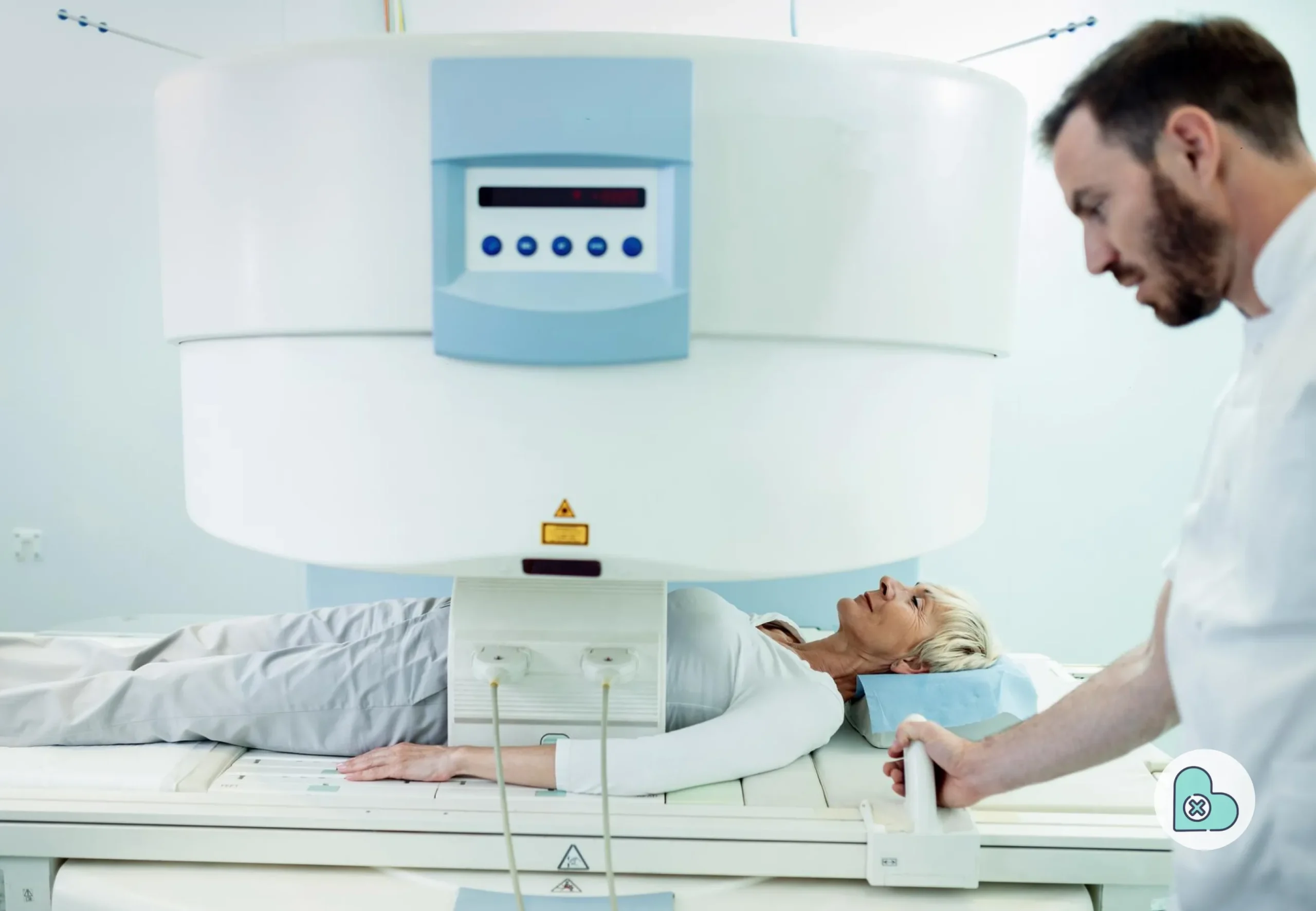
If you or someone you love has just been told they need cancer treatment, the word “radiation” can feel scary. But here’s the truth — radiation therapy has helped millions of people fight cancer, shrink tumors, and live longer, healthier lives. And once you understand how it actually works, it doesn’t feel so scary anymore.
This guide explains everything clearly and simply. No complicated medical jargon. No confusing diagrams. Just real, honest information you can actually use.
What Is Radiation Therapy, Really?
_freepik
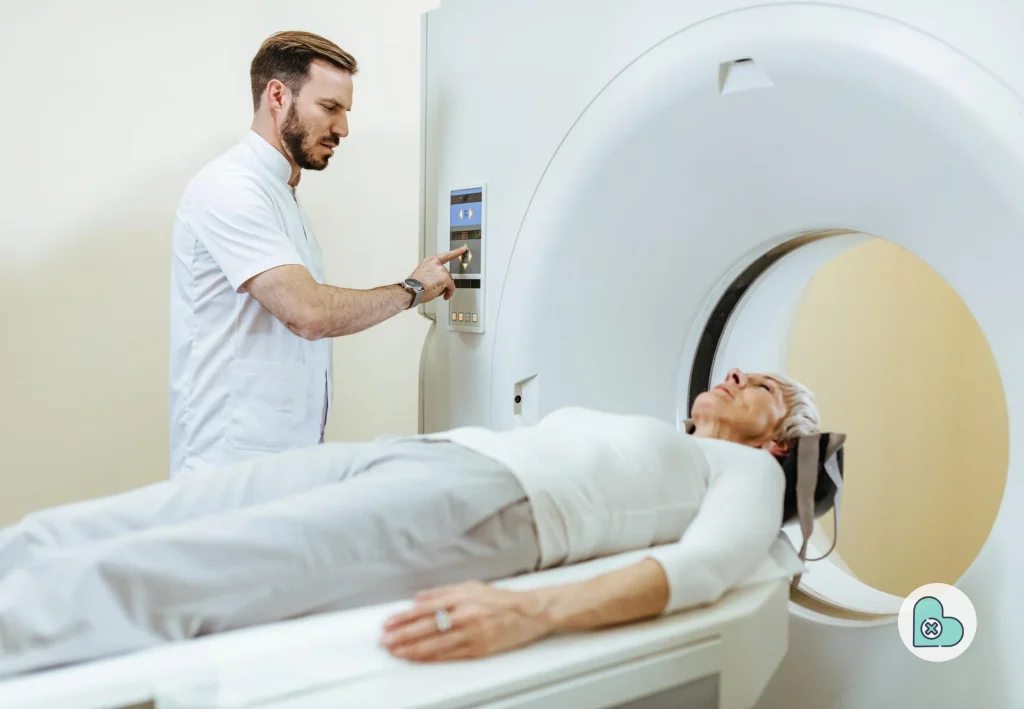
Radiation therapy is a cancer treatment that uses high-energy rays or particles to destroy cancer cells. Think of it like a very powerful, very precise beam of energy that targets tumors inside your body.
When radiation hits cancer cells, it damages their DNA. Once DNA is damaged, cancer cells can’t grow or multiply. Over time, your body naturally clears out those damaged cells, and the tumor shrinks.
What makes radiation therapy special is that it can be shaped and aimed. Doctors don’t just blast the whole body — they focus the energy on the exact spot where the tumor is. That means nearby healthy tissues get much less exposure than the cancer itself.
Radiation therapy for cancer is used in several different ways:
- As the main and only treatment for certain cancers
- Before surgery, it’s used to shrink the tumor, making it easier to remove.
- After surgery to kill any cancer cells that might still be left behind
- Alongside chemotherapy to make both treatments more powerful
- As palliative radiation therapy to relieve pain in advanced cancer, even when a cure isn’t possible
So whether it’s a standalone plan or part of a bigger cancer care treatment plan, radiation plays a big role in modern oncology.
How Radiation Actually Kills Cancer Cells
_freepik
Let’s get into the science — but keep it simple.
Every living cell in your body has DNA, which is basically the instruction manual for how the cell works and divides. Cancer cells grow out of control because their DNA is already damaged in a way that allows them to keep multiplying. When radiation enters a cancer cell, it causes even more damage to that DNA. This damage is so severe that the cell can no longer function. It stops dividing and eventually dies.
How radiation kills cancer cells happens in two ways. First, the radiation beam directly breaks the DNA strand. Second, it creates free radicals — unstable molecules that attack DNA from within.
Here’s the good part: cancer cells are generally worse at repairing this damage than healthy cells are. So while healthy cells can sometimes recover, cancer cells usually can’t. That’s what makes radiation therapy so effective.
The Different Types of Radiation Therapy
_freepik
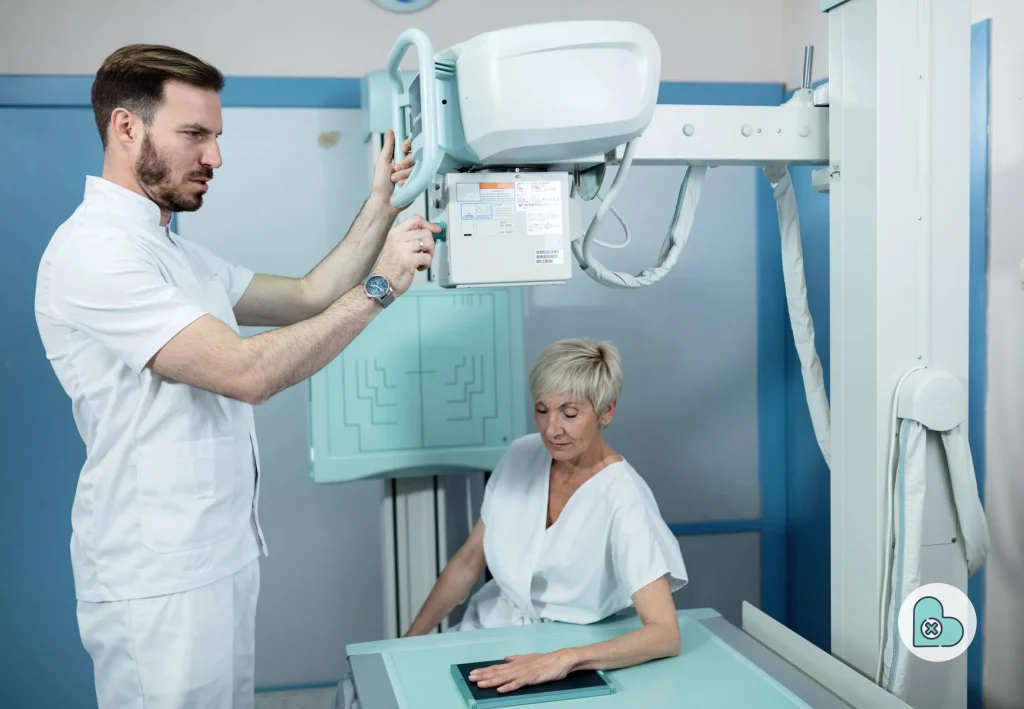
Not all radiation therapy is the same. Different types work better for different cancers. Your oncology team will pick the right approach based on where the tumor is, how big it is, and what stage of cancer you have.
External Beam Radiation Therapy (EBRT)
External beam radiation therapy is the most widely used form of treatment. With EBRT treatment, the radiation comes from a machine outside your body and is aimed directly at the tumor. It’s completely non-invasive — no surgery, no needles, nothing inside your body.
During a session, you simply lie still on a table while the machine moves around you. The treatment itself is painless and usually takes just a few minutes. Most patients receive EBRT five days a week over a few weeks.
Internal Radiation Therapy (Brachytherapy)
Brachytherapy treatment is a type of internal radiation therapy where a radioactive source is placed directly inside or right next to the tumor. This allows a very high dose of radiation to reach the cancer while minimizing exposure to surrounding healthy tissues.
Brachytherapy is often used for prostate cancer, breast cancer, and cervical cancer. It can sometimes be completed faster than external treatments.
Radiation Therapy Machines: What’s Actually in That Room?
_freepik
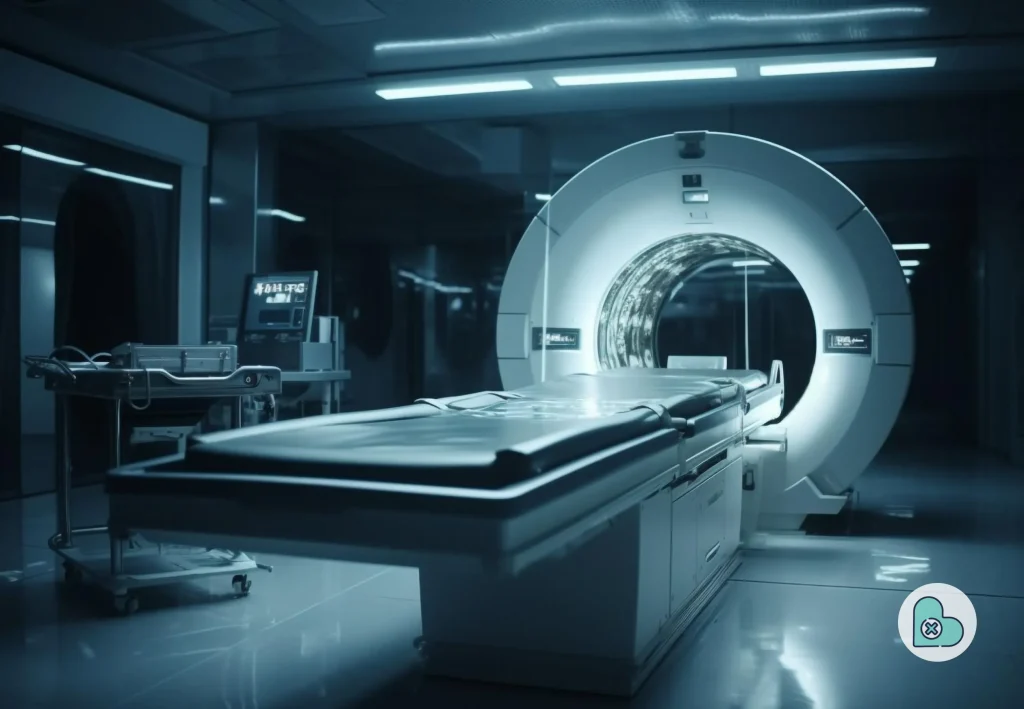
The radiation therapy machines used in radiation oncology today are incredibly advanced. Understanding the different types of radiation therapy machines helps you know what to expect before you ever walk into a treatment room. Each machine is built for a specific purpose, and choosing the right one can significantly improve the effectiveness of your treatment.
Linear Accelerators (Linac)
Among all radiation therapy machines, the Linear Accelerator is the most widely used worldwide. Linear accelerator radiation is the backbone of modern cancer treatment. A Linac machine used in cancer treatment accelerates electrons to produce high-energy X-rays, which are then aimed precisely at the tumor.
Linac machines are incredibly versatile. They support two powerful techniques:
IMRT therapy (Intensity-Modulated Radiation Therapy) adjusts the strength of the beam so it perfectly matches the shape of the tumor. This helps protect healthy tissue around the cancer. IGRT radiation therapy (Image-Guided Radiation Therapy) goes even further by using real-time imaging during treatment to make sure the beam stays locked onto the tumor — even if the patient moves slightly.
Proton Therapy Units
Proton therapy uses protons instead of X-rays. What makes proton beam therapy different is something called the Bragg peak. Protons release most of their energy right at the tumor and then stop — they don’t keep traveling through healthy tissue on the other side.
This makes proton beam therapy especially good for children, and for tumors that are very close to the brain, spinal cord, or other critical organs.
Gamma Knife Radiosurgery
Gamma Knife radiosurgery is a specialized system designed to treat brain tumors and lesions. Despite the name, there’s no actual knife involved. It uses multiple beams of radiation that converge precisely on the target inside the brain.
Radiation therapy for brain tumors using the Gamma Knife is highly accurate. It is often used for tumors that are deep inside the brain or in locations where traditional surgery is risky.
CyberKnife Treatment
CyberKnife treatment is a robotic radiosurgery system that can treat tumors anywhere in the body, not just the brain. It tracks the tumor in real time — even if it shifts due to breathing — and adjusts the radiation beam accordingly with sub-millimeter accuracy.
SBRT Therapy
Stereotactic body radiation therapy (SBRT therapy) delivers very high, precise doses of radiation over just a few sessions (usually 3–5). It’s often used for radiation therapy for lung cancer, liver tumors, pancreatic cancer, and spinal tumors. SBRT is ideal for tumors that are difficult to reach surgically.
Neutron Therapy
Neutron therapy cancer treatment uses high-energy neutrons to target tumors that don’t respond well to standard radiation. It’s particularly effective for certain salivary gland tumors and soft tissue sarcomas. It’s less commonly available because the equipment is complex, but it can be a powerful option for specific cases.
How Doctors Plan Your Radiation Treatment
Before you ever receive a single dose of radiation, your team does extensive behind-the-scenes planning.
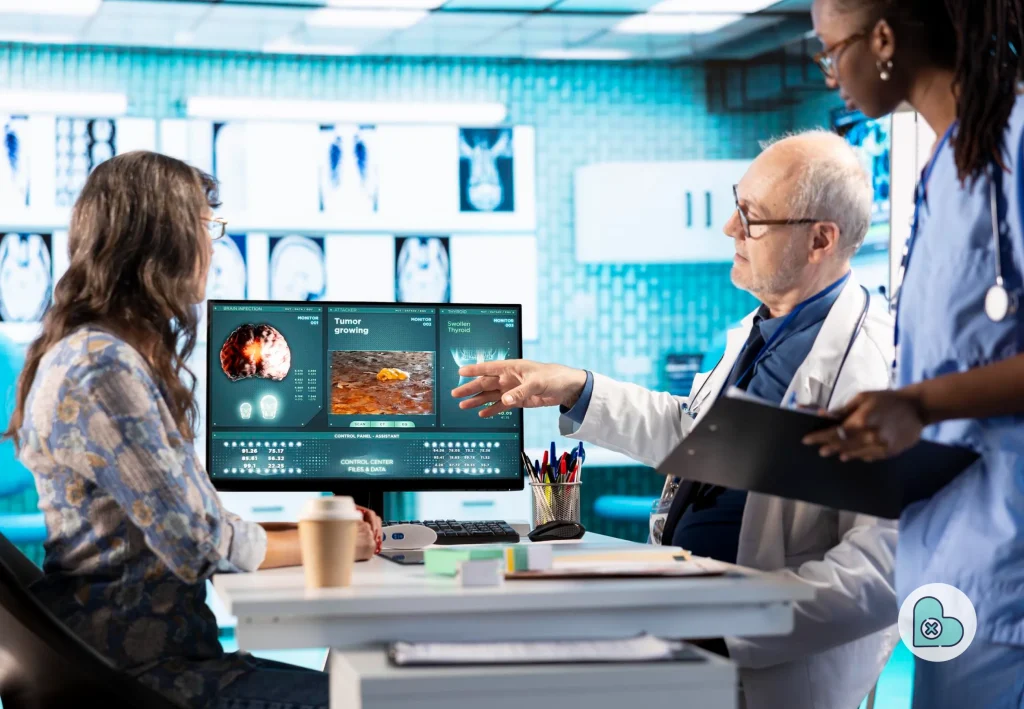
The radiation treatment planning process starts with a simulation, or radiation mapping, session. During this visit, your doctors take detailed CT scans of your body to pinpoint exactly where the tumor is. The radiation oncologist uses this information to determine the optimal angles, beam shapes, and doses needed to target the cancer while protecting healthy tissue.
The radiation mapping process typically takes 30 minutes to an hour. You might have small marks placed on your skin to make sure you’re positioned the same way every single session.
After the simulation, a team of physicists and dosimetrists use specialized software to calculate the exact radiation therapy plan. Only once that plan is reviewed and approved does treatment actually begin.
High-dose radiation therapy — typically defined as above 60 Gray (Gy) — is sometimes used for aggressive or hard-to-treat tumors. This requires extra careful planning because the risk of side effects is higher.
Radiation Therapy Side Effects: What’s Normal?
Radiation therapy side effects are real, but most are temporary and manageable. They depend heavily on which part of the body is being treated.
Common side effects include:
- Fatigue — this is the most reported side effect, often building up over the course of treatment
- Skin irritation or redness in the treated area
- Hair loss only in the area being treated (not all over, like with some chemo)
- Nausea if the abdomen is the treatment zone
- Difficulty swallowing if the throat or neck area is targeted
Your care team will support you through every step. There are medications and specific skincare routines that can help. Most side effects fade within a few weeks after treatment ends.
Who Gets Which Type of Radiation Therapy?
Radiation therapy for breast cancer often uses external beam techniques like IMRT to protect the heart and lungs during treatment. Radiation therapy for prostate cancer frequently uses brachytherapy or advanced IMRT. Radiation therapy for lung cancer often benefits from SBRT because of its precision with moving targets.
The choice always comes down to:
- The type and stage of cancer
- The size and location of the tumor
- The patient’s overall health
- What other treatments have been used
This is why personalized cancer treatment plans matter so much. No two patients are exactly alike, and neither should their treatment be.
Getting Ready for Radiation: Practical Tips
Radiation therapy preparation begins before your first session. Here’s what you can do to feel more confident:
Stay well-hydrated and eat balanced meals throughout your treatment period. Fatigue is common, so getting enough sleep is important. Avoid smoking, as it can reduce the effectiveness of radiation. Ask your doctor about what lotions or soaps are safe for your skin during treatment.
Most importantly — ask questions. Your radiation oncology team is there to help you understand every part of the radiation therapy procedure.
Can You Have Radiation Therapy More Than Once?
Yes, in some cases. Whether radiation treatment can be repeated depends on how much radiation was given the first time, where in the body it was delivered, and how much time has passed. Advanced techniques such as IMRT and SBRT have made re-irradiation safer and more feasible than ever before.
This is always a very individual decision made by your doctor based on your unique situation.
Final Thoughts: Why Radiation Therapy Matters
Radiation therapy effectiveness has improved dramatically over the past two decades. From the early days of simple X-ray machines to today’s robotic, image-guided systems, the field of radiation oncology has transformed into something genuinely remarkable.
The various types of radiation therapy machines — from Linacs to proton units to robotic CyberKnife systems — each play a unique role depending on the cancer being treated. And with modern radiation therapy machines becoming more precise every year, the balance between destroying cancer and protecting healthy tissue keeps getting better.
The benefits of radiation therapy are real — it can cure cancer, control tumor growth, relieve pain, and be combined with other treatments for even better results. If you’re exploring cancer treatment options and radiation has been recommended as part of your care, know this: you’re not alone, and you’re in much better hands today than patients were even 10 years ago. Talk openly with your oncology team, ask about which types of radiation therapy fit your diagnosis, and take things one session at a time.




Leave a Reply