

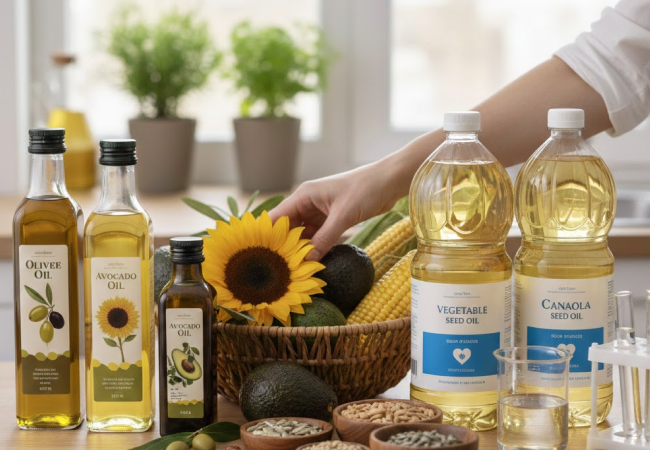
While vegetable oils can be a good source of fat, some types are clearly better than others. At the same time, the commonly blamed risks of omega-6 fats are not as specific as once believed. Over the past century, vegetable oil consumption has risen sharply.
Most health experts still view these oils as healthy. However, some vegetable oils may contribute to health issues. Their impact on health depends on three key factors: The type of fatty acids they contain, the plant source, and how the oil is processed.
What Are Vegetable Oils?

Vegetable oils, also called seed oils, come from the seeds of plants. This is why many people use both terms interchangeably. When someone asks what vegetable oils are, the answer is simple. They are oils extracted from plant seeds.
You commonly find many common vegetable oils in grocery stores. These include canola oil, corn oil, safflower oil, sesame oil, sunflower oil, soybean oil, and grapeseed oil. These are the most widely used types of vegetable oils in cooking and packaged foods.
Some oils do not appear on this list. That is because they come from non-seed sources. Oils like olive oil, avocado oil, coconut oil, and palm oil come from fruits. Because of this, they are known as non-seed oils. This difference is why people often compare olive oil vs vegetable oil when talking about nutrition and health.
How Are Vegetable Oils Processed?
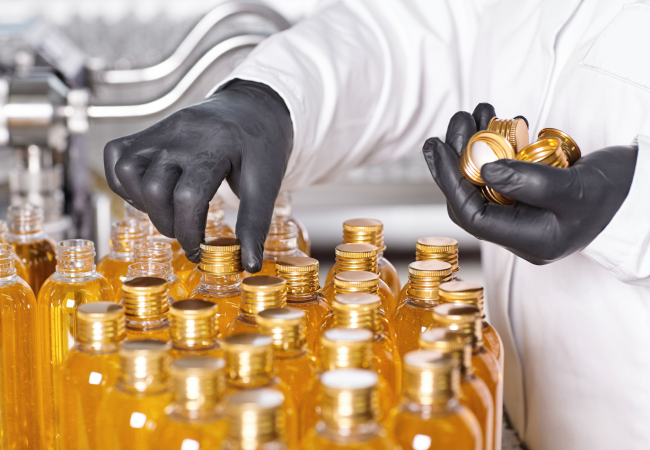
To understand how vegetable oils are made, it helps to look at how they differ from non-seed oils. Olive oil and avocado oil come from foods that naturally contain a lot of fat. Olives are so rich in fat that oil can be made with simple methods.
Most vegetable oils are different. Seeds like corn and soybeans contain very little fat. For example, a cup of green olives has about 20 grams of fat. A cup of corn has only about 2 grams. Because of this, manufacturers rely on complex vegetable oil processing methods.
This seed oil processing involves several steps.
- Crushing seeds for oil uses high pressure to release oil.
- Hexane solvent oil extraction helps pull out more oil from the seeds.
- Deodorising vegetable oils heats the oil at very high temperatures.
This high-heat oil processing removes odours and flavours. It also removes helpful nutrients like polyphenols in oils. During this process, some fats change into trans fats in vegetable oils, also called partially hydrogenated oils.
The same effect happens during deep frying in vegetable oils. When oils stay hot for long periods, trans fat levels rise. Because of the health risks, the FDA ban on trans fats was introduced in 2018.
What Cooking Oils Should You Eat?

Many people wonder, are vegetable oils healthy? Research on the health effects of vegetable oils shows mixed results. Vegetable oils’ nutrition depends on the type of oil and how much you use.
Some oils fall into an “eat some” category. These include expeller-pressed canola oil, high-oleic sunflower oil, and safflower oil, which have benefits when consumed in moderation. These oils usually do not improve or harm health when used reasonably.
Most other vegetable oils belong in the “eat less” group. This also includes butter and other saturated fats. A careful comparison of cooking oils helps guide better choices.
The best cooking oils are used in small amounts and not overheated. The worst cooking oils are highly refined and used too often. Making healthy cooking oil choices means focusing on balance, moderation, and variety.
We’ve received strong reactions about vegetable oils and seed oils. Some readers believe cold-pressed canola oil should be placed next to olive oil in the “eat more” category. Others argue that all vegetable oils belong in “eat less,” while butter deserves a higher ranking.
These debates are common. They also create confusion. To clarify our recommendations, we need to look at science, not opinions. That means comparing oils directly. It also means understanding processing, fat types, and long-term health effects.
Below, we break down three head-to-head matchups. Each comparison follows research, not trends. The goal is simple.
Help you choose healthy cooking oils with confidence.
1. Extra-Virgin Olive Oil vs. Expeller-Pressed Canola Oil
These oils are considered among the least refined oils available today. They rely on mechanical extraction. They avoid harsh chemical processing. That alone places them ahead of many refined vegetable oils and seed oils.
Extra-Virgin Olive Oil (EVOO)
Extra virgin olive oil, often called EVOO, comes from fresh olives. Manufacturers grind the olives. They press them mechanically. No heat is used. No solvents are involved. This gentle process protects nutrients. It also preserves flavour.
EVOO is especially rich in monounsaturated fats, also called MUFAs. These fats support heart health. They are linked to lower cholesterol levels. EVOO also contains high levels of polyphenols in olive oil. These are potent plant compounds. They help reduce inflammation. They protect cells from oxidative damage. Unlike refined oils, EVOO keeps most of the olive’s natural compounds. This is why olive oil’s health benefits are so well documented.
Research and Health Benefits
More studies support EVOO than any other cooking fat. This is not even close. In one extensive study, researchers followed 22,892 adults in Southern Italy. Participants reported their olive oil intake. The study lasted 13 years. People who consumed more than two tablespoons per day had a 20% lower risk of death.
Those who consumed less than one tablespoon saw fewer benefits. Additional research links olive oil intake to a lower risk of:
- High blood pressure
- Heart disease
- Type 2 diabetes
- Dementia
- Cancer
These findings consistently appear across populations. They also support the role of EVOO as a heart-healthy fat. EVOO also helps reduce LDL cholesterol. This effect is most potent when replacing saturated fats.
Examples include butter and coconut oil.
This supports better cholesterol and heart disease outcomes.
Note: Olive Oil Smoke Point and Cooking Stability
In the past, experts advised against cooking with EVOO. The concern was its lower olive oil smoke point, around 350–410°F. The assumption was simple. Heat would damage the oil. Health benefits would disappear. We now know that the assumption was wrong. Smoke point matters less than oxidation stability.
EVOO performs exceptionally well here. Its high MUFA content and polyphenols protect it from breakdown. Studies heating oils to very high temperatures confirmed this. In one test, oils were heated to 464°F. They were then held at 356°F for hours. EVOO remained the most stable oil tested. It even outperformed canola oil.
This confirms strong olive oil heat stability. Cooking with olive oil is safe. It does not destroy its benefits.
Expeller-Pressed Canola Oil
Expeller-pressed canola oil comes from the rapeseed plant. It is mechanically pressed. No chemical solvents are used. No heat is applied. Among seed oils, canola has a unique fat profile. It contains a high level of MUFAs. It also provides omega-3 fatty acids, especially alpha linolenic acid. Canola oil also contains phytosterols. These plant compounds help reduce cholesterol absorption.
This supports its role as a cholesterol-lowering oil.
Another advantage is cost. Canola oil is affordable. It is often half the price of EVOO. Its flavour is neutral. This makes it popular for baking. Many consider it one of the best neutral-flavour oils.
The Winner
When comparing olive oil vs canola oil, extra-virgin olive oil clearly wins. The body of research supporting EVOO is much larger. Its fat profile is more favourable. Its polyphenol content is unmatched. That said, expeller-pressed canola oil still has a place. It is budget-friendly. It works well for baking. Used in moderation, it is likely health-neutral.
2. Expeller-Pressed Canola Oil vs. Refined Canola Oil
This comparison highlights oil processing methods. Processing dramatically changes nutrition.
Expeller-Pressed Canola Oil
An expeller press squeezes oil from seeds. It uses pressure only. No heat. No solvents. This preserves sensitive nutrients. These include:
- Alpha linolenic acid
- Phytosterols
- A more balanced omega profile
Because of this, expeller-pressed oils are closer to whole foods. They remain among the healthier cooking oils.
Refined Canola Oil
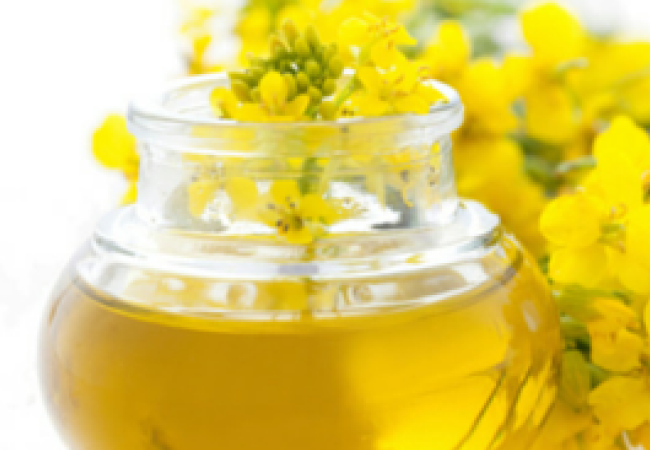
Refined canola oil undergoes heavy processing. Heat is applied. Chemical solvents may be used. This process removes beneficial compounds. It also creates small amounts of trans fats in oils.
Refining shifts the fat balance. Omega-3 fats decrease. Omega-6 fats increase. This leads to a less favourable omega-3 vs omega-6 ratio.
The Winner
Expeller-pressed canola oil wins this matchup. However, the margin is small. Canola starts with a less controversial fat profile than many vegetable oils. Soybean oil, for example, contains far more omega-6 fats.
Note: Omega-6 Fatty Acids and Inflammation
The average American diet includes much more omega-6 fat than omega-3 fat. Some estimates suggest a 16:1 ratio. Some experts believe this imbalance increases inflammation. This could raise the risk of diabetes and obesity.
Others disagree. They argue that food context matters more than ratios. Nuts and seeds are rich in omega-6 fats. Yet studies link them to better heart health. They contain fibre, antioxidants, and minerals. Refined oils are different. They provide isolated fats only. They lack protective nutrients.
3. Refined Vegetable Oils vs. Butter
This comparison causes the most debate online. Strong opinions exist on both sides.
The Case for Butter
Butter supporters argue that saturated fat was unfairly blamed. They point to the margarine era. Trans-fat-rich spreads replaced butter. That caused harm. Some research suggests saturated fat risks were overstated. However, excessive intake still raises cholesterol.
Most guidelines recommend limiting saturated fat to under 10% of calories. One tablespoon of butter provides about 7 grams of saturated fat. Butter also lacks the milk fat globule membrane. This membrane limits cholesterol effects in other dairy foods. Butter raises LDL cholesterol more than yoghurt or cheese.
Moderation is key. Butter does not need elimination. But it should not dominate the diet.
The Case for Refined Vegetable Oils
Refined vegetable oils contain high levels of polyunsaturated fats. These fats oxidise easily. During refining, antioxidants are removed. This increases oil oxidation. The biggest concern is not home cooking. It is ultra-processed foods. These foods use refined seed oils repeatedly. They are heated again and again. This increases oxidised lipids.
Ultra-processed foods also contain excess sugar and sodium. They lack fibre and micronutrients. They are calorie-dense. Most contain vegetable oils in processed foods, including:
- Chips
- Cookies
- Crackers
- Frozen meals
- Sauces
- Salad dressings
Extensive studies link high intake of ultra-processed foods to:
- Heart disease
- Stroke
- Obesity
- Diabetes
- Depression
- Cancer
The Winner
This matchup ends in a draw. Butter is less processed. But it is high in saturated fat. Refined vegetable oils are lower in saturated fat. But they oxidise easily. They lack protective nutrients. Both should be limited. Neither promotes health when overused. A diet rich in whole foods helps reduce both naturally. That remains the safest approach.






Leave a Reply