

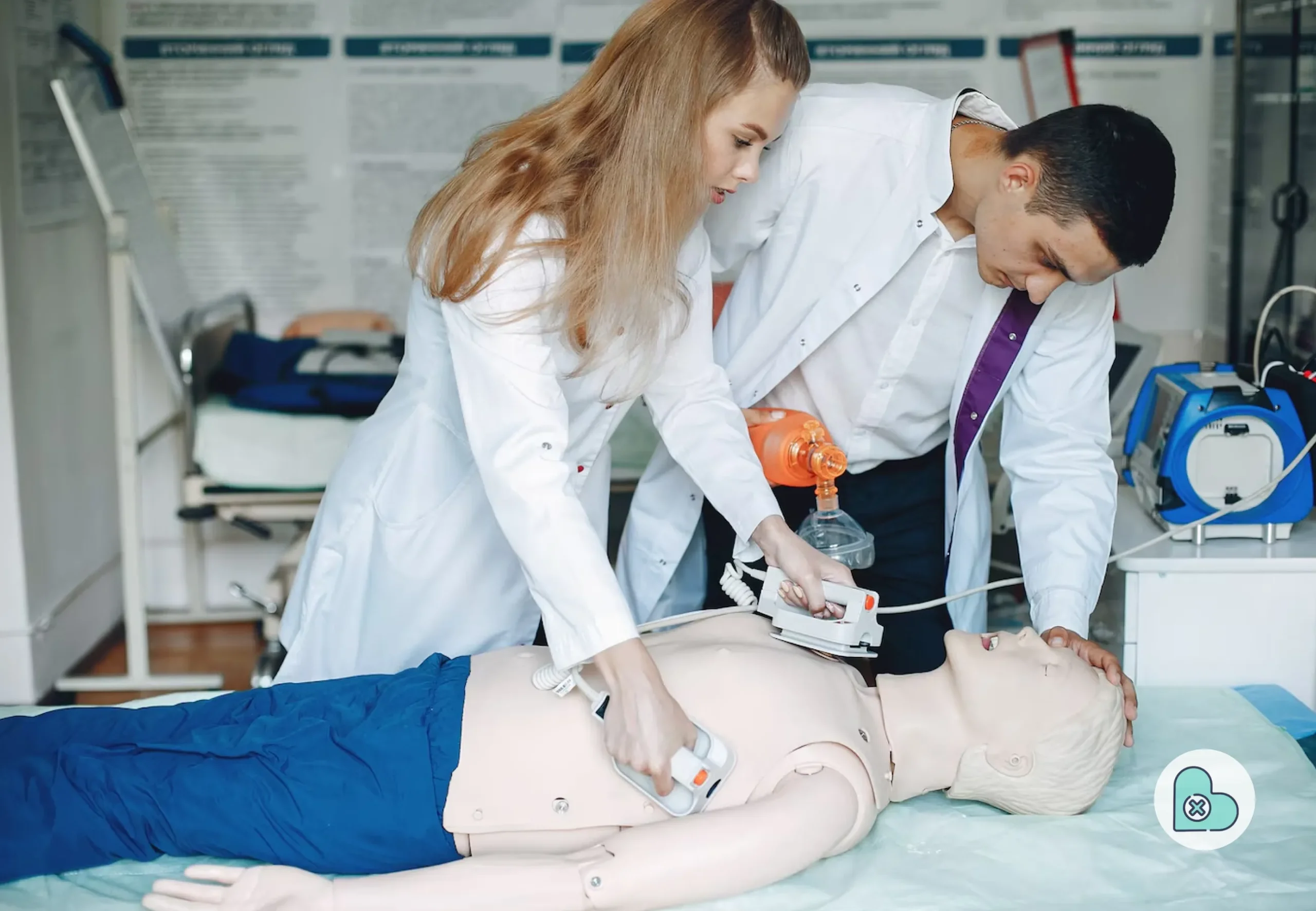
Have you ever wondered how a surgeon stays so calm during a crisis? Or how a nurse knows exactly what to do when a patient stops breathing? It isn’t just natural talent. It’s practice. But they aren’t practicing on real people—at least, not at first. They are using a medical manikin.
In the past, people called them “mannequins,” like the ones you see in clothing stores. But in a professional healthcare setting, we use the term manikin. This isn’t about using big or fancy words. A medical manikin is a high-tech patient simulator that mimics human anatomy and physiology. It allows students to learn clinical skills safely before they ever touch a real patient.
From nursing simulation training to emergency room drills, these tools are changing the way we learn medicine. Let’s dive into why these lifelike tools are the backbone of modern healthcare education.
What Exactly is a Medical Manikin?
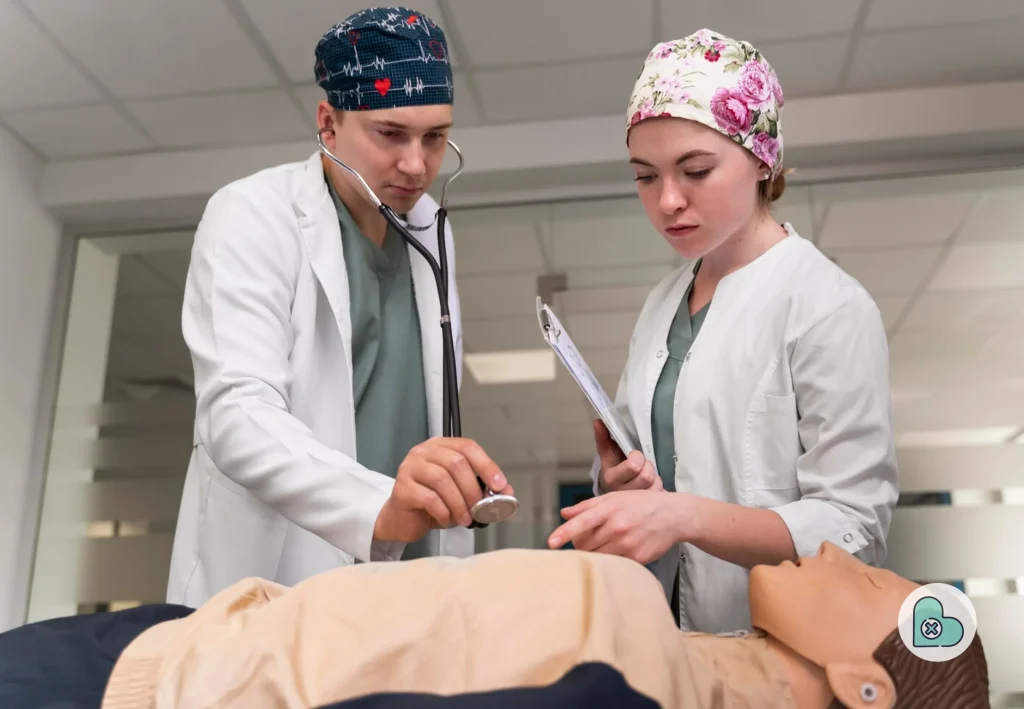
A medical manikin is more than just a plastic doll. It is a full-body patient simulator designed to help learners grow their professional identities. When students use a healthcare manikin, they aren’t just practicing a task; they are learning how to relate to a human being.
Many health professional schools now use medical simulation training to help students think on their feet. These tools enable simulation-based learning, where a student can make a mistake, learn from it, and try again without risking a living person. Think of it like a flight simulator for pilots, but for the human body.
Different Levels of Realism (Fidelity)
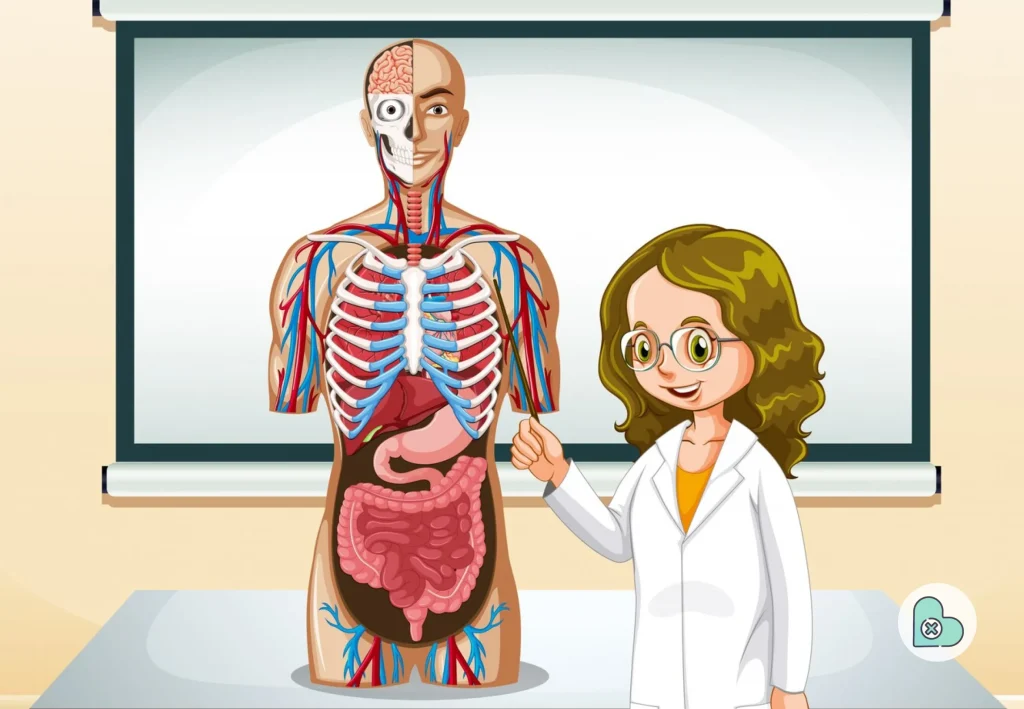
Not every medical manikin is the same. Depending on what you need to learn, you might use a different type of healthcare manikin. In the industry, we call this “fidelity,” which is just a fancy way of asking, “How real does it feel?”
- Low-fidelity manikin: These are “task trainers.” Think of a CPR manikin training torso or an IV training manikin arm. They don’t talk or breathe, but they are great for mastering one specific skill, like finding a vein.
- Mid-fidelity manikin: These are usually full-body models but have limited computer parts. They might have a heartbeat you can hear with a stethoscope. They are solid healthcare education tools for general nursing care.
- High-fidelity manikin: These are the “smart” simulators, like the Laerdal SimMan. A high-fidelity manikin can breathe, talk, and even have pupils that react to light. They are used for clinical simulation training in high-pressure situations.
How Simulation-Based Learning Works
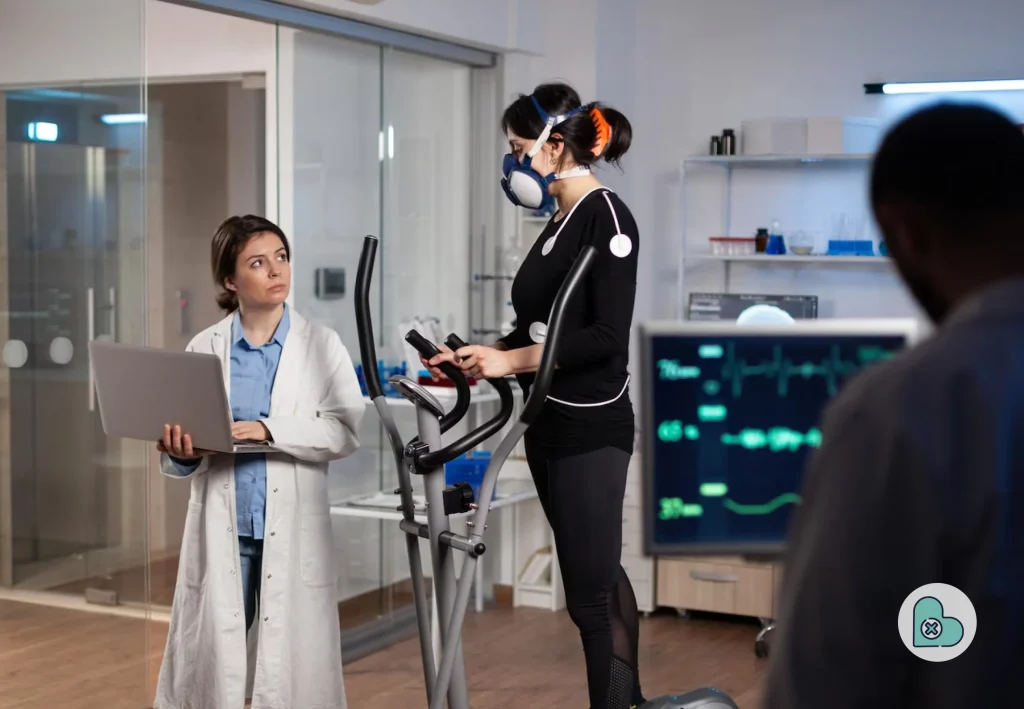
When you walk into a simulation center healthcare facility, it looks just like a real hospital. It has the monitors, the oxygen masks, and the beeping sounds. This environment is key to clinical simulation training. Educators use manikin-based learning to create scenarios that feel 100% real.
For example, a human patient simulator can be programmed to have a heart attack. This is called a mock code simulation. During this, a team of students must work together. This is a great example of interprofessional education IPE, where nurses, doctors, and pharmacists all learn to communicate under pressure.
Key Benefits of Using a Patient Simulator
Why do schools spend so much on healthcare training technology? Because the benefits of medical simulation are huge. It turns “book learning” into “doing.” Here is how it helps:
- Patient assessment training: Students learn to check pulses, listen to lung sounds, and spot “cyanosis” (when the skin turns blue from lack of oxygen).
- Clinical decision-making training: In a written test, the book tells you the patient is sick. In healthcare simulation, the student has to figure it out by looking at the medical manikin.
- Healthcare communication skills training: Students practice how to talk to a patient (and their family) during a crisis. It’s hard to be “human” when you’re stressed, but the healthcare manikin helps you practice that empathy.
- Safety: It creates a low-pressure environment where “failing” is part of the learning process. You can’t “kill” a medical manikin, which takes the fear away so students can focus on the lesson.
Specialized Training: From Birth to Trauma

One of the coolest things about medical simulation training is that there is a patient simulator for almost every medical field. We don’t just have generic “adult” models anymore.
If you are studying to be an OB-GYN, use a birthing simulator like the Gaumard Noelle. This healthcare manikin can actually simulate a live birth, including complications like postpartum hemorrhage simulation. It’s incredibly realistic and helps midwives and doctors prepare for the most intense moments of delivery.
For pediatricians, the pediatric HAL simulator is a game-changer. This pediatric simulator can show real emotions on its face. It can look angry, sad, or in pain. It helps students learn simulation for nurses and doctors who will work with children who can’t always explain what hurts.
Other specialized tools include:
- Surgical simulator: Used by surgeons to practice incisions and internal repairs before going into the OR.
- Emergency simulation training: Used by military and first responders for trauma simulation training, such as blast injuries or car accidents.
- Ventilator training simulation: Using tools like the IngMar ASL 5000 to learn how to manage a patient’s breathing machine.
The Role of Tech: AR and Remote Learning
The future of medical simulation is incredibly high-tech. We are now seeing augmented reality in healthcare simulation. With AR medical training, a student might wear a headset while working on a medical manikin. The headset overlays digital images—like a baby’s position inside a mother—onto the physical birthing simulator. It’s like having X-ray vision.
We also saw a big change in simulation training during COVID-19. When students couldn’t go to hospitals due to social distancing, they used telehealthcare. This is remote medical training in which an instructor leads a session via video, and students interact with healthcare simulation software from their own homes.
Making it Real: Moulage and Diversity
To make simulation in nursing education effective, it has to look real. If the medical manikin looks like a toy, the student won’t take it seriously. This is where moulage in medical simulation comes in. Moulage is the art of applying “makeup” to a medical manikin to simulate wounds, burns, or rashes.
But realism isn’t just about blood and guts. It’s about representing real people. For a long time, every medical manikin looked the same. That’s changing. Diverse patient simulation models are now a priority. Companies like Echo Healthcare and Lifecast Body Simulation create lifelike medical manikins that represent different races, ages, weights, and genders.
When a healthcare manikin resembles a diverse patient, it helps students prepare for the real world. It builds healthcare communication skills training that is inclusive and effective for everyone, regardless of appearance.
How Students Improve: Simulation Debriefing Tools
The most important part of clinical skills training occurs after the scenario ends. Most simulation center healthcare rooms have cameras hidden in the corners. They use simulation debriefing tools like SIMStation, SimulationIQ, or SimCapture to record the entire session.
After the mock code simulation, the students sit down with their teacher. They watch the video together. This is a “no-judgment zone.” They talk about what went well and what didn’t. This is where clinical decision-making training really sticks. Using KBPort simulation systems, students receive near-real-time feedback. Seeing yourself make a mistake on video is the fastest way to make sure you never make it again on a real person.
Why the Human Connection Matters
Even though we are talking about plastic and computers, the goal of a medical manikin is to make healthcare more human. In a nursing simulation training session, the student is taught to explain every step to the patient simulator.
“I’m going to start an IV now, it might feel like a small pinch,” the student says to the high-fidelity manikin.
Why do they do this? Because if they practice being kind to a healthcare manikin, they will be kind to a real patient when things get stressful. This is the heart of simulation for medical students and simulation for nurses. It’s about building healthcare skill development tools that focus on the person, not just the disease.
Essential Tools for Modern Simulation
If you are looking to build a top-tier nursing simulation training program, there are a few “gold standard” tools you should know about. These are the brands that the pros use:
- Laerdal SimMan: Perhaps the most famous high-fidelity manikin for general medical training simulators. It’s the “Swiss Army Knife” of simulation.
- CAE Healthcare Ares: A durable human patient simulator built specifically for emergency care and life support training.
- Gaumard Noelle: The world leader for a birthing simulator.
- SimMan Critical Care: A specialized healthcare manikin for respiratory distress simulation and anesthesia. It uses IngMar ASL 5000 technology to act like a real pair of lungs.
- MamaAnne simulator: A top-tier birthing simulator that helps reduce risks during labor, specifically focusing on saving mothers’ lives.
- AI in healthcare simulation: New software that allows a medical manikin to have unscripted conversations. You can ask it how it’s feeling, and it will answer back!
The Growing Need for Simulation
The world of medicine is getting more complex every day. We have new diseases, new surgeries, and new medicines. We can’t expect students to learn it all by just reading. That’s why medical simulation for skill enhancement is growing so fast.
A medical manikin allows a student to experience a “once-in-a-career” emergency every single week. By the time they see that emergency in a real hospital, they’ve already handled it ten times in the simulation center. This is how we reduce medical errors and improve patient safety.
Conclusion: The Future is Lifelike
The future of medical simulation is all about making the transition from the classroom to the bedside as smooth as possible. By using a medical manikin, students gain the clinical skills training they need to save lives.
Whether it is a low-fidelity manikin for practicing IVs or a high-fidelity manikin for a complex surgery, these healthcare education tools are indispensable. They provide medical simulation for skill enhancement that books simply can’t match.
As healthcare training innovation continues to grow, we will see even more lifelike medical manikins and augmented reality in healthcare simulation, making our doctors and nurses better than ever. The medical manikin might not be a real person, but it is certainly the best friend a medical student could have.

Leave a Reply