

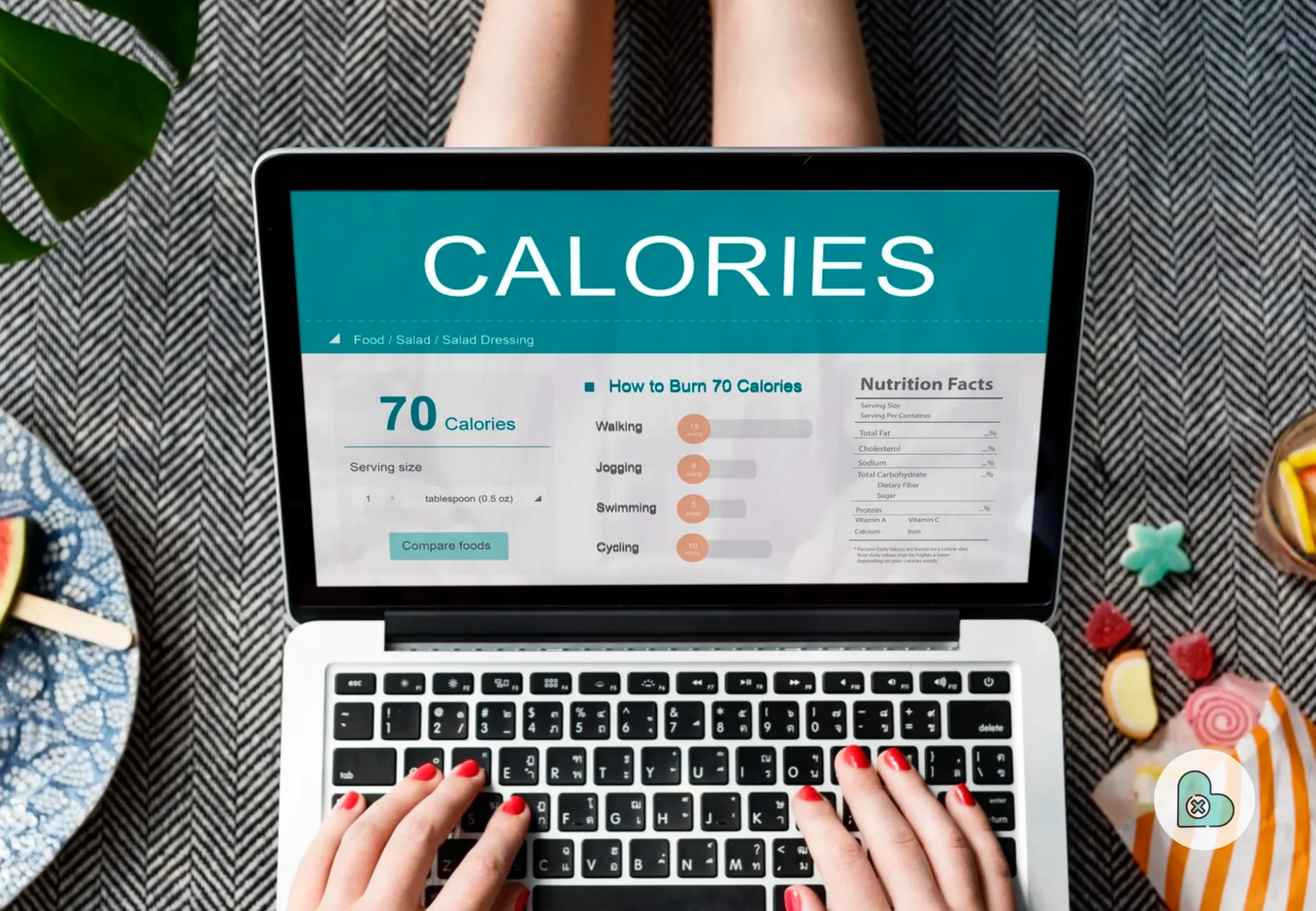
A calorie is just a unit of energy. When you eat or drink anything, your body extracts energy from it. That energy is what we measure in calories.
Here is the simplest calorie definition you will ever read. Whatever you eat gives your body fuel to function — to walk, think, breathe, and even sleep. That fuel is measured in calories. When the calories you consume exceed what your body actually needs, it stores the excess energy as fat. And when you eat less than your body needs, it burns stored fat for fuel. This one simple idea is the backbone of all weight management.
Understanding what calories are is truly the first step toward making better food decisions every single day.
Macronutrients and Calories — How Much Energy Comes From Each?
The three macronutrients — carbohydrates, proteins, and fats — each carry a different amount of energy. Carbs have 4 calories per gram. Protein has 4 calories per gram. But fat calories per gram jump to 9, nearly double.
Here is a simple example. You can get 150 calories from a small candy bar or from 30 full cups of lettuce. Same calorie count — worlds apart in nutritional value. This is exactly why all calories in food are not equal, and why food quality matters just as much as quantity.
Daily Calorie Requirement — How Many Calories Per Day Do You Need?

Calorie Intake for Females
- 19–30 years: 1,800 to 2,400 calories
- 31–60 years: 1,600 to 2,200 calories
- 61+ years: 1,600 to 2,000 calories
Calorie Intake for Males
- 19–30 years: 2,400 to 3,000 calories
- 31–60 years: 2,200 to 3,000 calories
- 61+ years: 2,000 to 2,600 calories
Calorie Intake for Children
- 2–4 years: 1,000–1,600 (boys), 1,000–1,400 (girls)
- 9–13 years: 1,600–2,600 (boys), 1,400–2,200 (girls)
- 14–18 years: 2,000–3,200 (boys), 1,800–2,400 (girls)
These numbers are a solid starting point. Your actual daily calorie requirement depends on your height, weight, activity level, and health. Using an online calorie calculator gives you a more personalised calorie estimate for your body.
Calorie Deficit and Calorie Surplus — The Two Concepts That Drive Everything

A calorie deficit means consuming fewer calories than your body burns in a day. If your body needs 2,000 calories and you eat 1,500, you are in a 500-calorie deficit — and that is how weight loss happens. Most experts recommend a 500-calorie daily deficit as the ideal calorie intake for weight loss, which typically results in about 1 pound per week of weight loss. The number of calories needed for weight loss will vary from person to person based on metabolism, activity, and lifestyle.
On the flip side, a calorie surplus means eating more than your body uses — and that extra energy is stored as fat or muscle. For calories for weight gain, a moderate surplus of 300 to 500 extra calories daily is the sweet spot. If muscle gain is your goal, calorie intake must be paired with a high-protein diet and consistent strength training. Calories for maintenance mean eating exactly what your body burns — keeping weight steady over time.
How to Reduce Calorie Intake — 5 Strategies That Actually Work

1. Eat More Protein
The benefits of a high-protein diet go far beyond building muscle. Protein keeps you full longer, crushes cravings, and plays a powerful role in weight loss. Eggs, chicken, tofu, lentils, and Greek yoghurt are all excellent daily choices that naturally help you hit the right calories per day for weight loss without feeling hungry or deprived.
2. Limit Sugary Drinks
Sugary drinks and weight gain are more closely linked than most people realise. Your brain does not register liquid calories the same way it processes solid food — so hunger barely reduces after a soda or juice. Cutting these out creates a surprisingly large calorie deficit without changing anything else.
3. Drink More Water
The benefits of drinking water for weight loss are real and completely free. Drinking water before meals reduces hunger and helps you eat fewer calories overall. It is one of the simplest and most effective habits in any low-calorie diet plan.
4. Exercise Regularly
Exercise for weight loss is not just about burning calories in the moment. When comparing cardio vs strength training, cardio burns calories fast while strength training builds muscle that keeps your metabolism elevated at rest. Combining both gives you the best long-term results.
5. Cut Down on Refined Carbs
Most people underestimate the effects of refined carbs. White bread, maida, and packaged snacks strip away natural fibre — the thing that keeps you full. Without fibre, hunger returns quickly, and your total calorie intake per day climbs without you noticing. Replacing refined carbs with whole grains and vegetables is one of the smartest moves for any balanced diet plan.
Basic Weight Loss Tips — Small Shifts That Create Big Results

Beyond calorie counting, here are some practical healthy eating tips for weight loss that are sustainable and genuinely effective:
- Practice mindful eating — eat slowly, chew properly, and avoid screens during meals. Mindful eating benefits include naturally eating less without feeling deprived.
- Try meal prep for weight loss — when healthy food is ready in your fridge, you are far less likely to reach for junk when hungry.
- Stock up on healthy snacks for weight loss, like nuts, fresh fruit, and plain yoghurt, to avoid the hunger-binge cycle.
- Build your meals around a nutrition-rich foods list — leafy greens, eggs, oats, lentils, and seasonal fruits keep nutrition high even on a calorie deficit.
- Following a balanced diet is always more sustainable than an extreme low-calorie diet.
Potential Downsides of Counting Calories
Calorie-tracking apps help build awareness — but there is a side to this that nobody talks about enough. Research shows that obsessive calorie tracking increases the risk of disordered eating patterns. The risks of a low-calorie diet include malnourishment, fatigue, hair loss, and hormonal imbalance.
The connection between metabolism and calories is critical here. Eating too little for too long causes your body to slow its metabolism as a survival response, making further weight loss progressively harder. BMI and calorie intake are also closely linked. Knowing your BMI helps you set a realistic calorie target that supports genuine health rather than just a lower number on the scale.
Frequently Asked Questions
How do I calculate my daily calorie needs?
Your daily calorie requirement depends on your age, height, weight, physical activity level, and overall health condition. The easiest way to get an accurate number is to use an online calorie calculator, which factors in all these variables and gives you a personalised daily target.
Is it safe to only eat 1,200 calories a day?
A 1,200-calorie diet is considered quite restrictive and can be too low for most adults. Eating this little over a long period can cause serious nutritional deficiencies, slow down your metabolism, and lead to fatigue. Before following any low-calorie diet plan, it is strongly advisable to consult a registered nutritionist or doctor.
How many calories should your breakfast include?
No fixed number works for everyone. Generally, nutritionists suggest consuming around one-third of your calorie intake per day at breakfast — so if your daily goal is 1,800 calories, aiming for 500 to 600 calories at breakfast is a reasonable starting point.
How many calories should you eat for lunch or dinner?
This varies from person to person, but a good general rule is to keep dinner lighter than lunch. Avoiding heavy, calorie-dense meals late at night supports better digestion, more restful sleep, and easier calories for maintenance or weight loss.
How many calories do you need to build muscle?
To gain muscle, you need to be in a calorie surplus, consume a high-protein diet, and engage in regular strength training. Most experts recommend adding 300-500 extra calories to your maintenance level. Your calorie intake for muscle gain should come primarily from protein-rich and nutrient-dense whole foods — not junk.
Final Thoughts — Understand Calories, Work With Them
What are calories at the end of the day? They are your body’s energy currency. Understanding them gives you real power — the power to make informed choices without swinging between extremes or following diets that are impossible to sustain. Whether you are calculating the right calories per day for weight loss, working toward weight gain, or simply eating better every day, eat real food, move your body, stay hydrated, and give your body the balanced nutrition it deserves. Calories are not something to fear. They are something to understand.






Leave a Reply