

Have you ever wondered why a specific workout works wonders for your friend but does nothing for you? Or perhaps you’ve noticed that some clothes look incredible on others while they feel a bit “off” on your frame. The secret isn’t just about effort or style. The honest answer usually lies in your body type. When you finally ask, “What is my body type?” It opens the door to better health and greater confidence.
Understanding your body is like having a roadmap for your physical health. It removes the guesswork and helps you make better decisions. Whether you are looking for a body type for fitness or a better body type for diet, knowing your category changes everything. You stop fighting against your genetics and start working with them. This body type guide is designed to help you identify your body type quickly and easily.
Once you know your type, you can set realistic goals. You won’t expect to look like someone else. Instead, you will focus on being the best version of yourself. This shift in mindset is decisive. It allows you to choose the right fuel and the correct movements. Let’s dive into the body types explained below to help you find where you fit.
What Does “Body Type” Actually Mean?
Your body type is the natural blueprint of your physical structure. Your genetics mainly decide it. This means you are born with a specific body composition that dictates how you look and function. Several factors play a role in this, including your bone structure, muscle mass, and your body’s fat distribution. It is the foundation upon which you build your fitness and health.
When we talk about different body types, we are looking at how your body responds to food and exercise. Some people are naturally lean, while others are naturally muscular or curvy. Your metabolic type also plays a huge role here. Some people burn through energy like a furnace, while others store it more efficiently. Understanding these body type characteristics helps you stop comparing yourself to people with different DNA.
It is important to remember that your body type is not a cage. It doesn’t decide your value or limit what you can achieve. It simply explains how your body works. Knowing your body type and metabolism helps you navigate your health journey with much less frustration. You gain a clearer picture of why your body reacts to certain stimuli.
Why Should You Identify Your Body Type?

You might think that a healthy lifestyle is the same for everyone. But that is a myth. Understanding your specific type makes your daily decisions much more effective. For example, knowing your body type and weight-gain patterns helps you adjust your calorie intake before you see a change on the scale. It turns a guessing game into a science-backed plan.
When you identify your body type, shopping becomes much easier. You learn which body shapes suit your frame. You stop buying clothes that don’t fit your proportions and start choosing items that highlight your best features. This leads to an immediate boost in body confidence. You begin to feel comfortable in your own skin because you finally understand it.
Furthermore, a body type guide is essential for long-term fitness. It helps you choose a body-type workout plan that actually delivers results. Instead of following random internet trends, you follow a path designed for your biology. This saves you time, energy, and money. It is the most direct route to seeing the changes you want in the mirror.
Body Types Explained: The Three Main Categories
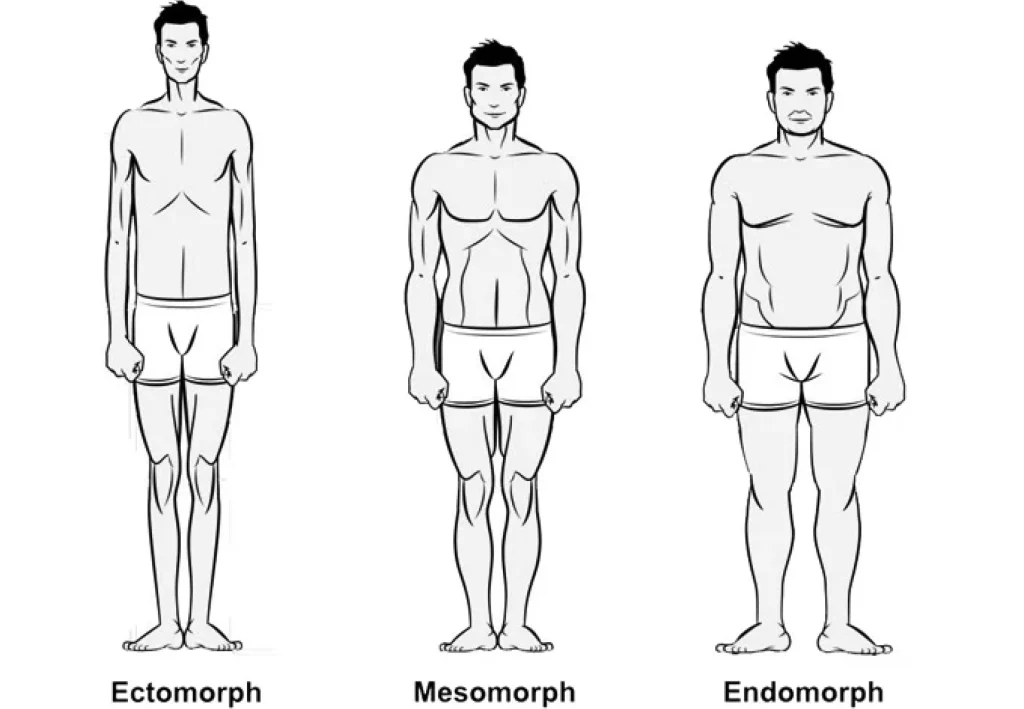
To understand the answer to “what is my body type?” we look at three main categories. These are known as somatotypes. Most people fall into one of these or a combination of two. Each one has particular body type traits that make them unique. Understanding these is the first step toward a better body type diet plan.
1. Ectomorph (The Lean & Slim Type)
The ectomorph body type is often described as “naturally thin.” If you are an ectomorph, you likely have a speedy metabolism. This means you can eat a lot without gaining much weight. While this sounds like a dream to some, it can be frustrating for those who want to build muscle. Ectomorphs usually have a light build with small joints and lean limbs.
- Key Traits: Thin frame, narrow shoulders, and difficulty gaining weight.
- Fitness Tip: Focus on heavy lifting and muscle mass growth rather than long cardio sessions.
- Diet Tip: You need a high-calorie diet with plenty of healthy fats and proteins to see growth.
2. Mesomorph (The Athletic Type)
The mesomorph body type is the middle ground. These individuals are naturally muscular and have a strong frame. They find it relatively easy to gain muscle and lose fat. This type usually has a rectangular-shaped body with an upright posture. Because they respond so well to exercise, they are often seen as the “athletic” type.
- Key Traits: Broad shoulders, narrow waist, and visible muscle definition.
- Fitness Tip: A mix of strength training and HIIT cardio works best for this type.
- Diet Tip: A balanced diet with a good mix of carbs, proteins, and fats keeps them fueled.
3. Endomorph (The Curvy & Soft Type)
A rounder or curvier shape characterizes the endomorph body type. Endomorphs typically have a slower metabolism, which means they gain weight more easily. However, they are also quite strong and can build muscle effectively. The challenge for this type is usually managing body fat and keeping the metabolism active through consistent movement.
- Key Traits: Wider hips, shorter limbs, and a tendency to store fat in the lower body.
- Fitness Tip: Focus on high-intensity interval training and regular steady-state cardio.
- Diet Tip: A lower-carb diet with high fiber and protein helps manage weight gain effectively.
How to Find My Body Type: A Quick Self-Check
If you’re still unsure how to find your body type, you can perform a simple self-assessment. Start by looking in a full-length mirror. Observe your bone structure. Are your shoulders wider than your hips, or is it the other way around? Look at your wrists and ankles. Smaller joints often point toward an ectomorph profile, while larger joints are common in endomorphs.
Next, think about your history with weight and exercise. How easily do you build muscle? If you feel like you just look at a weight and your muscles grow, you might be a mesomorph. If you have struggled to put on a single pound your whole life, you are likely an ectomorph. This body type guide is all about patterns, not just a single moment in time.
Finally, consider your fat distribution. Where does your body store extra energy first? Endomorphs often see it in the hips and midsection. Mesomorphs might see an even distribution, while ectomorphs rarely see much at all. By answering these questions, you can finally determine my body type with high accuracy.
Can You Have More Than One Body Type?
The truth is that most people are not just one pure type. We often see combination body types in the real world. For example, you might have the lean upper body of an ectomorph but the muscular legs of a mesomorph. This is called an ecto-mesomorph. It is very common and perfectly normal. Body types exist on a spectrum.
Another standard mix is the meso-endomorph. These people are naturally strong and muscular, but also gain body fat quite easily. Understanding these nuances is part of a complete body type guide. It helps you realize that your body is unique. You don’t have to fit perfectly into a single box to benefit from this information.
When you look at different body types, remember that your lifestyle can shift your position on the spectrum. A dedicated ectomorph who has been lifting heavy for years can eventually look more like a mesomorph. However, their underlying metabolism types will usually remain the same. This is why staying consistent with your specific needs is so important.
Common Myths About Different Body Types

There are many misconceptions when it comes to body types for men and women. Many people believe your body type can never change—but that’s not true. While your bone structure is permanent, your body composition is very flexible. With proper body-type workout tips and nutrition, you can significantly change how you look and feel.
Another myth is that one specific body type is “healthier” than the others. This is simply not true. You can be a healthy endomorph or an unhealthy mesomorph. Health is about your habits, your heart health, and your mental well-being. Your category is just a starting point for your journey, not the finish line.
Finally, some people think that body type and body shape are the same thing. They are actually quite different. Body type refers to your internal biology and metabolism. Body shape refers to your external silhouette. You can have an “apple” shape as either an endomorph or a mesomorph. Keeping these distinct helps you plan your fitness goals more clearly.
Body Type vs. Body Shape: Clearing the Confusion
It is very easy to get confused between body shapes and body types. Think of body type as the “engine” of your car. It determines how much fuel you need and how fast you can go. It involves your muscle mass and your metabolic rate. On the other hand, body shape is the “paint job” and the frame. It’s what people see on the outside.
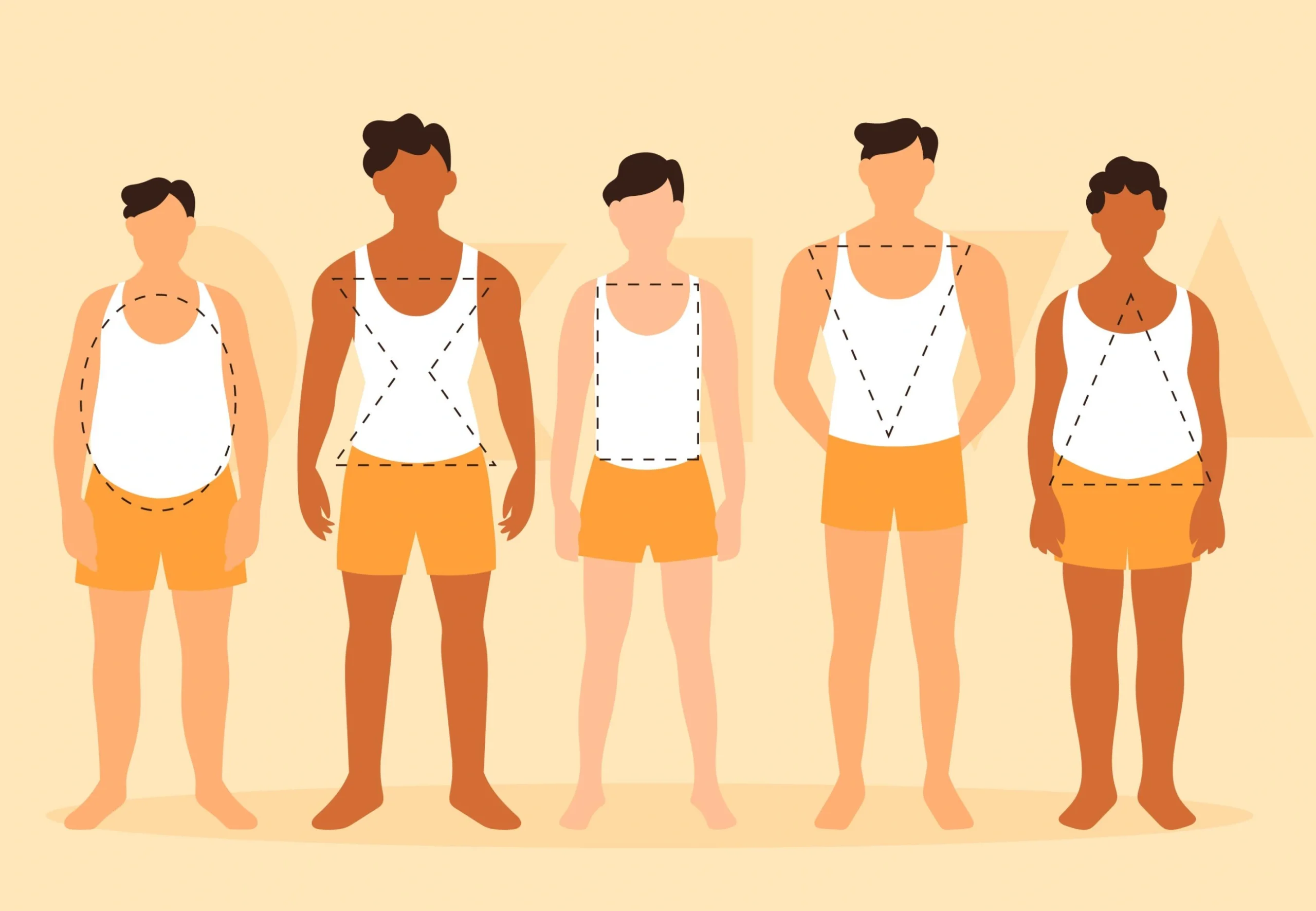
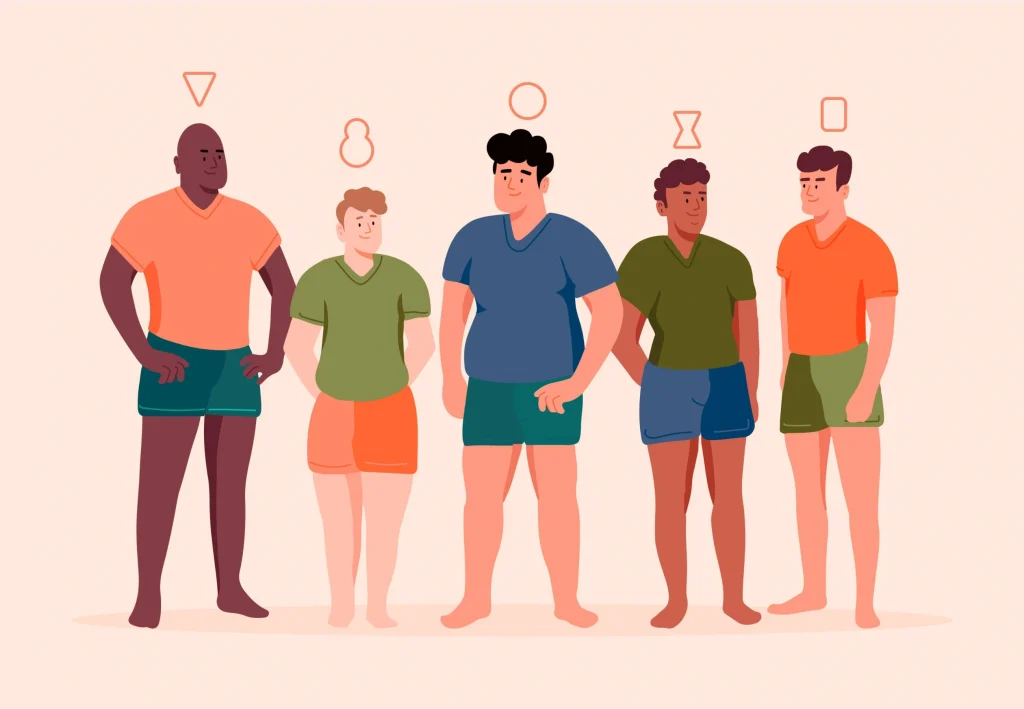
Common shapes include the pear, apple, hourglass, and rectangle. You might be an endomorph (body type) with an hourglass (body shape). Or you might be an ectomorph with a rectangular shape. Knowing both helps you dress better and train smarter. It gives you a 3D view of your physical self.
When you focus on body types for men and women, you realize that hormones also play a role in shaping the body. Men often carry weight in their bellies, while women may have it in their hips. However, the underlying body type traits remain consistent across genders. Understanding this distinction is a key part of any body type guide.
Actionable Tips for Every Body Type
Now that you are closer to answering “what is my body type?”, let’s look at some actionable steps. If you are an ectomorph, start tracking your calories to ensure you are eating enough to grow. Use a body type diet plan that emphasizes nutrient density. Don’t be afraid of healthy fats like avocados and nuts.
For the mesomorphs, variety is your best friend. Since your body adapts quickly, keep your workouts challenging. Focus on maintaining your natural muscle mass while keeping your heart healthy with cardio. You have the “athletic” advantage, so use it to explore different sports and activities.
If you identify as an endomorph, consistency in your movements is vital. Because of your body type and metabolism, staying active throughout the day is more important than one single workout. Try incorporating more fiber into your diet to feel fuller longer. This helps manage the fat distribution patterns that endomorphs often face.
Final Thoughts on Your Body Type
In the end, asking “What is my body type?” is about self-discovery. It is a tool to help you love your body more, not less. When you understand your body type and weight gain tendencies, you stop being so hard on yourself. You realize that your body is just doing what it was designed to do.
Use this body type guide to make informed choices. Focus on building healthy habits that last a lifetime. Whether you have different body types or a very specific one, your goal should always be health and happiness. Your body is the only one you get, so treat it with the respect it deserves.
Remember, you are more than a label. These categories are just helpful ways to organize information. Stay active, eat well, and listen to what your body tells you. With the right approach, you can achieve excellent results regardless of your starting point.
FAQ Section
1. Can my body type change over time?
Yes, it can. While your basic bone structure stays the same, your body composition changes as you age. Your lifestyle, diet, and exercise habits will also shift where you fall on the spectrum. Many people find they move between different body types as they get older.
2. Is body type purely genetic?
Genetics play a huge role in your body type traits. However, your environment and habits are compelling as well. You can influence your muscle mass and fat distribution through hard work and a proper fitness plan tailored to your body type.
3. Which body type is the healthiest?
There is no “best” or “healthiest” type. Everybody has their own strengths and challenges. The healthiest person is the one who takes care of their body through balanced nutrition and regular movement. Focus on your own progress rather than a category.





Leave a Reply