

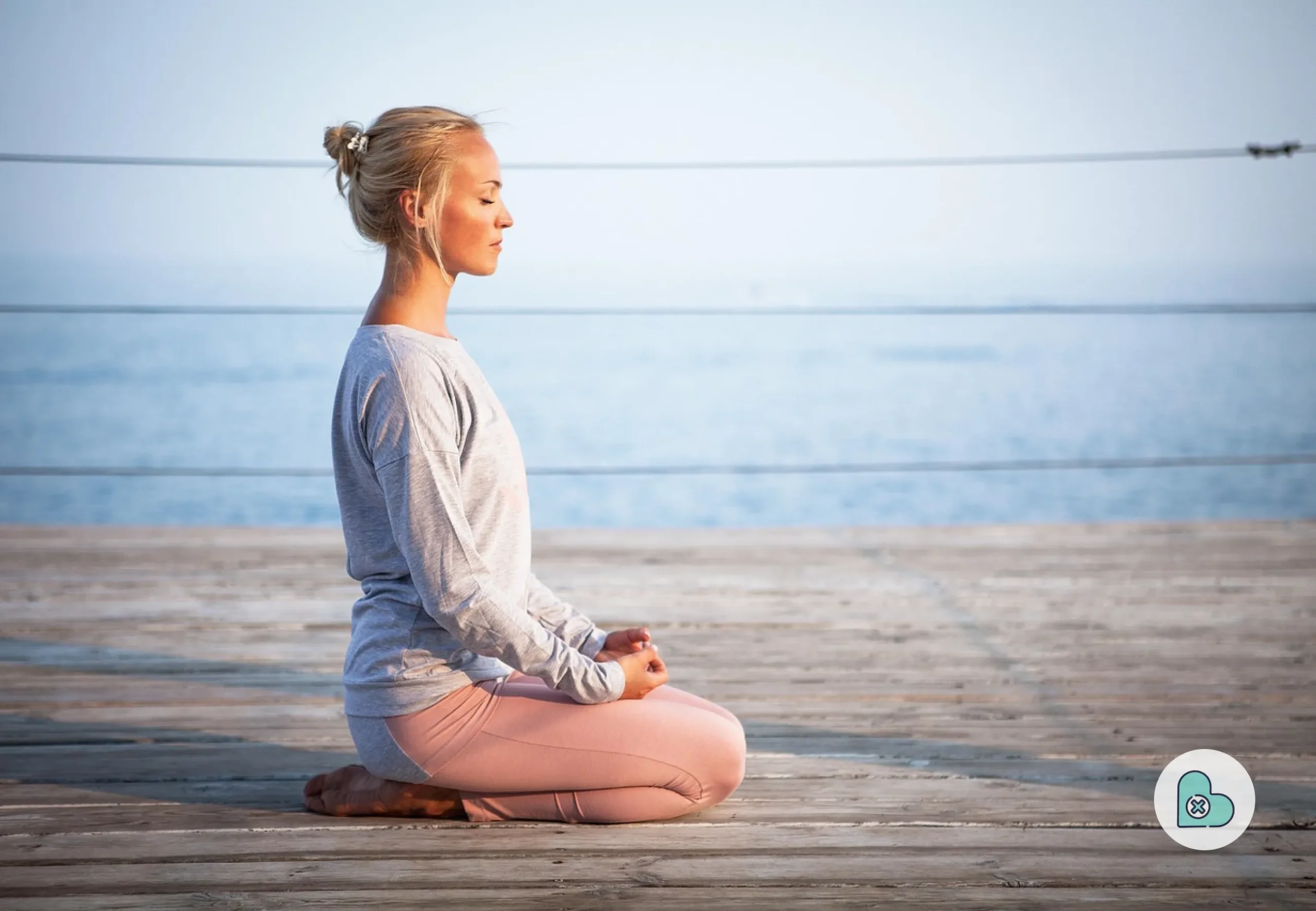
Breathing is the first thing you do in life. And it’s the last. In between, you take more than 500 million breaths. Most happen on autopilot. But each one affects your body and mind.
Your breath shapes your mood. It shifts your energy. It controls how you respond to stress. That’s the power of the mind-body connection.
When you feel anxious, your breath becomes short and fast. When you feel calm, it slows down. The pattern works both ways. Change your breathing, and you change your state.
This is where pranayama comes in. These ancient breathing techniques are part of Yoga and Ayurveda. For centuries, they have supported holistic healing practices and deep transformation.
Modern science now confirms what yogis have long known. Smart deep breathing exercises improve circulation, calm the nervous system, and restore balance. That’s why yoga breathing and yogic breathing matter more than ever.
What Is Pranayama? A Simple Explanation
_ freepik
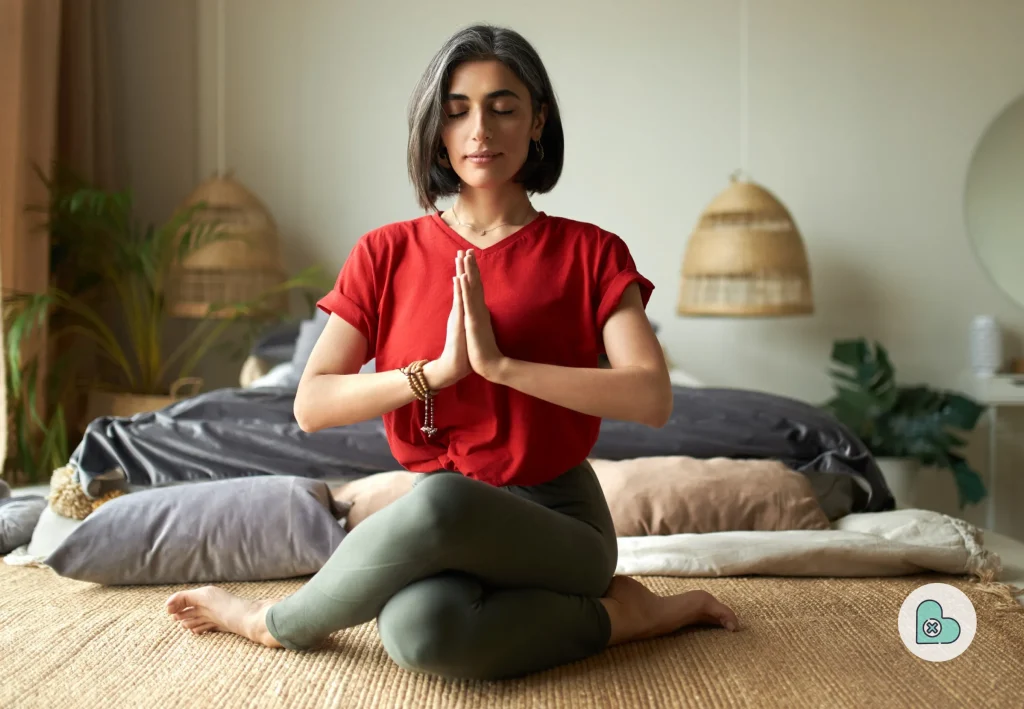
Pranayama means the control of the prana, the life force, through breath. It is a core pillar of traditional yoga practices. Ancient texts like the Hatha Yoga Pradipika and the Yoga Chudamani Upanishad describe the power of breath. They also give a clear warning. Practice correctly. Practice with care.
Proper respiratory control in yoga strengthens the lungs, heart, and nerves. Poor practice can create an imbalance. That’s why guidance is important for advanced methods.
When done correctly, the benefits of pranayama are impressive:
- Deep muscle relaxation
- Powerful stress relief breathing
- Effective anxiety relief breathing
- Ability to reduce stress naturally
- Support to lower blood pressure naturally
- Improved sleep and recovery
- Ability to increase energy levels naturally
- Better focus and mental clarity through breathing
- Stronger emotional balance through yoga
This is not hype. It is practical physiology. Breathing influences sympathetic nervous system regulation and triggers parasympathetic nervous system activation. That means less fight-or-flight and more rest-and-digest.
Regulating Your Breath – The Yoga Way
_ Pexels
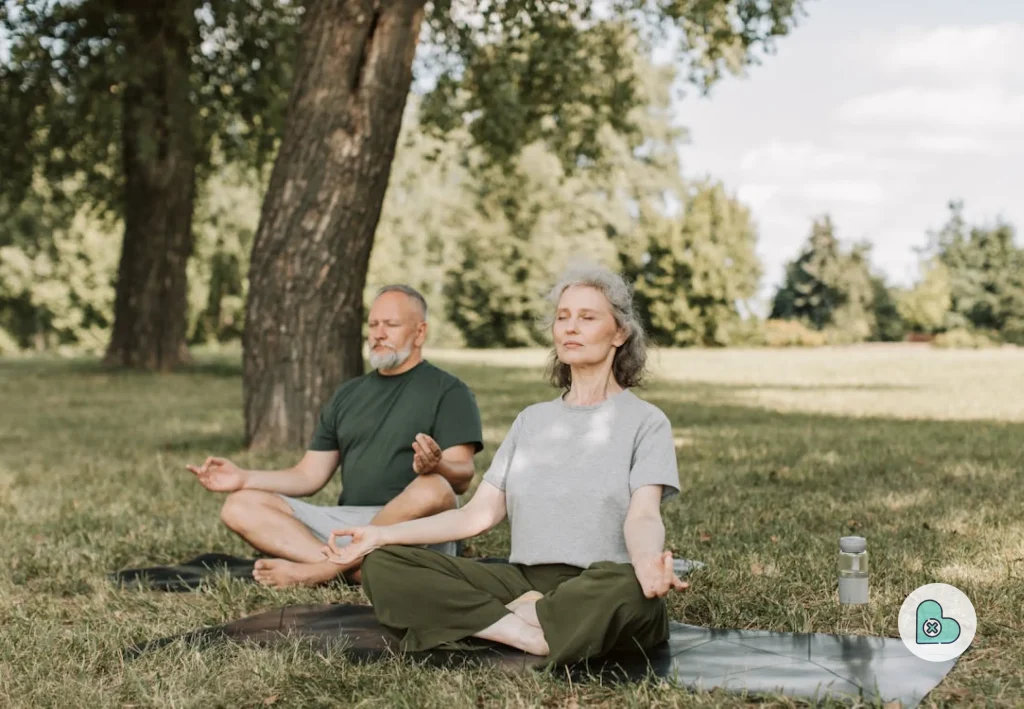
The simplest calming breathing exercises are also the most effective. Start with timed breathing. Inhale normally. Breathe in normally. Then breathe out a little slower and longer than you breathed in.
That small shift changes everything. It reduces stress signals. It supports nervous system regulation. It builds steady emotional control.
Practice this form of mindfulness breathing for five minutes daily. You will notice a difference. Your mind feels clearer. Your body feels lighter.
This is one of the easiest meditation breathing techniques. No equipment. No complex posture. Just conscious rhythm. Over time, these gentle rhythmic breathing techniques rewire your response to stress. That is the foundation of powerful breath control techniques.
A Word on Safety and Tradition
Advanced pranayama carries serious power. Ancient masters made this clear.
The Hatha Yoga Pradipika states that correct practice removes disease. Incorrect practice creates imbalance.
The Yoga Chudamani Upanishad compares breath to a lion or elephant. It must be trained slowly and steadily.
This is why deeper yoga therapy breathing should be learned from a qualified teacher. They guide timing, frequency, and progression.
Now, let’s explore the traditional techniques in the same flow as the original teachings.
Pranayama Techniques Explained in Depth
_ Ivan S _ pexels
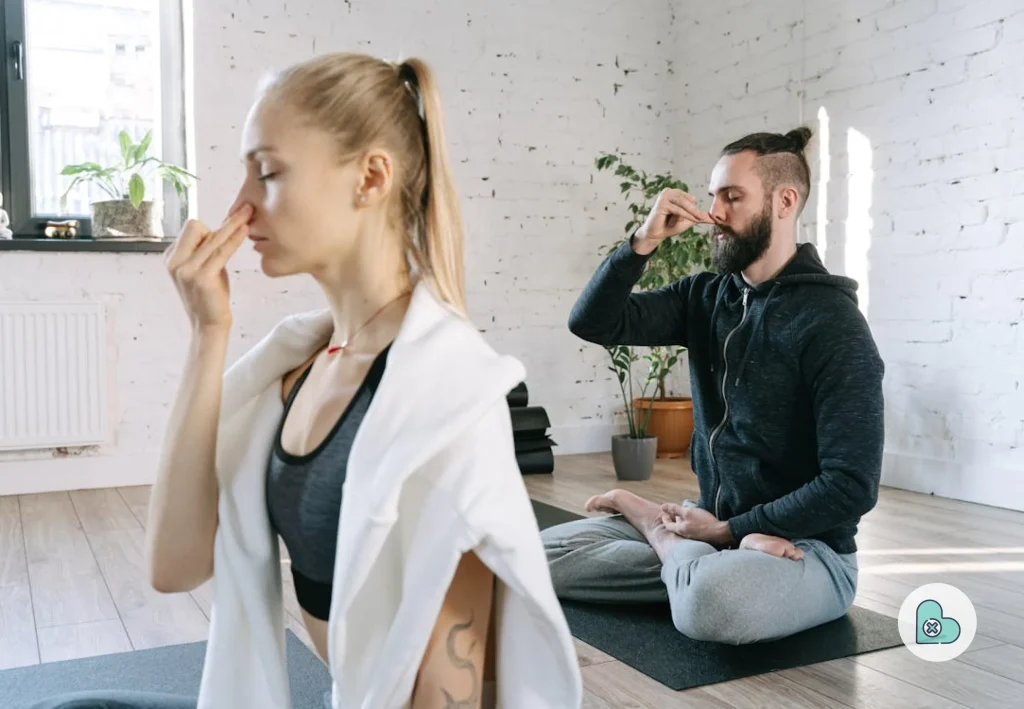
1. Nadi Shodhana (Alternate Nostril Breathing)
Nadi Shodhana, also called alternate nostril breathing, is one of the most trusted breathing techniques in yoga. It immediately calms anxiety. It strengthens the mind-body connection. It improves focus and emotional control.
Here’s the beginner method:
- Close your right nostril with your thumb.
- Inhale deeply through the left nostril.
- Close the left nostril.
- Exhale smoothly through the right.
- Inhale through the right.
- Switch again and exhale through the left.
Continue for 3 to 5 minutes. Keep the breath effortless. Keep awareness of the flow. Regular nadi shodhana supports anxiety relief, breathing, and sharp mental clarity through breathing. It enhances the balance between both sides of the brain.
Advanced forms of alternate nostril breathing include breath retention and chakra focus. These should only be practiced under supervision.
2. Ujjayi Breath (Ocean Breath)
Ujjayi breath, often called ocean breath, creates a soft, wave-like sound. This powerful form of yoga breathing calms irritation and frustration. At the same time, it generates internal warmth.
How to practice:
- Inhale slightly deeper than normal.
- Exhale through the nose with the throat gently constricted.
- The sound should resemble ocean waves.
Beginners may practice with the mouth open first. Then shift to closed-mouth breathing. Ujjayi breath improves circulation and stimulates oxidation. It supports vata balance but has a heating effect. Avoid daily practice without guidance, especially if you have low blood pressure.
Used wisely, ocean breath strengthens yoga for mental health and builds endurance.
3. Shiitali Pranayama (Cooling Breath)
Shiitali pranayama cools excess body heat. It reduces pitta balance disturbances in the head and digestive system.
Steps:
- Fold your tongue lengthwise.
- Inhale deeply through the folded tongue.
- Close your mouth and hold for eight seconds.
- Exhale through the nose.
Practice up to eight breaths. Do not exceed eight minutes. This cooling method supports targeted holistic healing practices. Avoid shiitali pranayama if you have asthma, bronchitis, or chronic constipation.
4. Siitkari Pranayama (Hissing Breath)
_ freepik
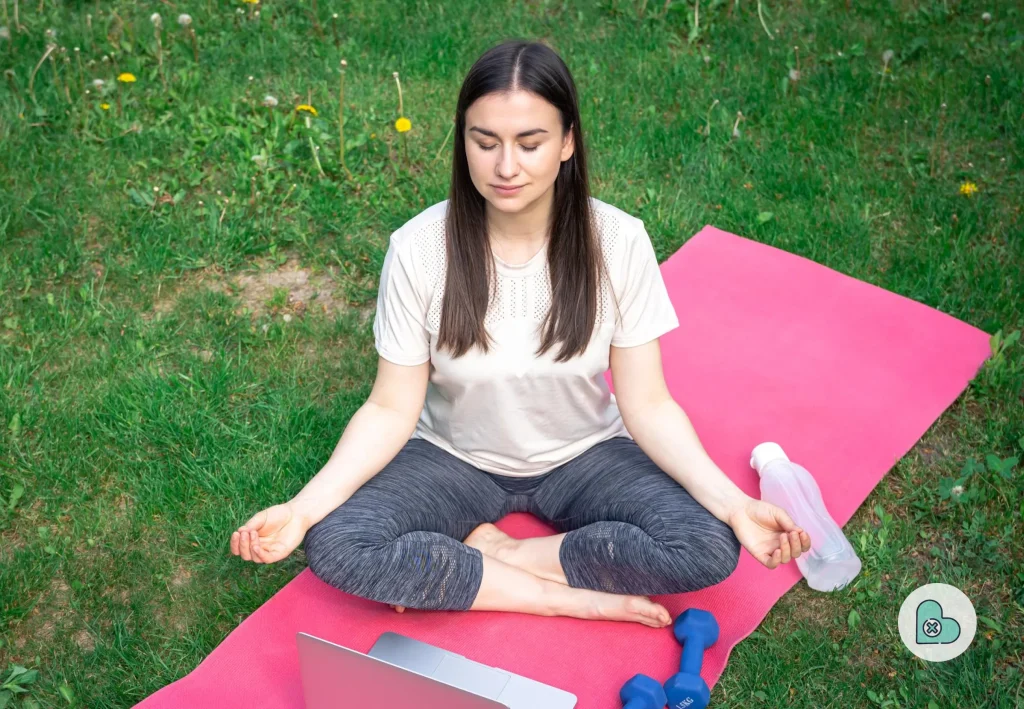
Siitkari pranayama works like shiitali but uses a gentle hissing sound. Inhale through the nose. Hold for eight seconds. Exhale through the mouth while producing an “s-s-s” sound.
This technique also reduces heat and supports pitta balance. Avoid it in the same conditions as shiitali pranayama. Also, avoid practicing it one hour before or after intense meditation pranayama.
5. Brahmari Pranayama (Humming Bee Breath)
Brahmari pranayama, also known as humming bee breath, uses vibration to promote deep calm. Inhale slowly. Exhale while humming like a bee. The sound creates resonance in the head and heart.
For a stronger effect:
- Take ten humming breaths.
- Then close both ears during exhale for ten more rounds.
Brahmari pranayama improves awareness and emotional stability. It enhances vata balance and deepens mindfulness breathing. Always sit upright. Never practice lying down.
6. Bhastrika Pranayama (Bellows Breath)
Bhastrika pranayama, also called bellows breath, is intense and energizing. Close the right nostril. Take twenty rapid breaths through the left. Switch sides. Then breathe rapidly through both nostrils.
This strong practice draws in powerful prana, the life force. It clears physical and emotional blocks. Because of its intensity, practice bhastrika pranayama only under expert supervision.
7. Surya Bhedana (Solar Breathing)
Surya bhedana, or solar breathing, increases warmth and internal energy. Inhale through the right nostril. Exhale through the left. Continue for six breaths up to ten minutes.
This heating breath supports digestion and vata balance. Avoid Surya bhedana if you have heart disease, hypertension, epilepsy, hyperthyroidism, ulcers, or acidity.
8. Chandra Bhedana (Lunar Breathing)
Chandra bhedana, or lunar breathing, cools and calms the system. Inhale through the left nostril. Exhale through the right. Continue for six breaths up to ten minutes.
This soothing method supports pitta balance and relaxation. Avoid chandra bhedana if you struggle with depression, mental disturbances, excess mucus, or weak digestion.
9. Active Yogic Breathing
Active yogic breathing blends movement with breath awareness. Walk at a moderate pace. Inhale slowly through the nose. Exhale slowly through the nose. Count your steps.
Aim for ten steps per inhale and ten per exhale. This method combines exercise with calming breathing exercises. It improves circulation and strengthens overall nervous system regulation. It is simple. Yet deeply transformative.
Final Thoughts: The True Power of Yogic Breathing
Breathing is both voluntary and involuntary. That makes it unique. You can control it. And through it, you control your state. Consistent pranayama strengthens every system of the body. It enhances circulation. It supports organ performance. It stabilizes emotions.
Through regular deep breathing exercises, you support both physical and mental health. Start small. Stay consistent. Respect the practice.Over time, yogic breathing becomes natural. Your energy rises. Your stress drops. Your clarity sharpens.
That is the lasting power of conscious breath.





Leave a Reply