


Healthcare is changing fast. We are at a massive turning point right now. By 2026, your medical data won’t live in tiny, locked boxes anymore. Instead, it will come together to tell one complete story. Today, many doctors make significant decisions based on only half the facts. That is a problem. The future promises a unified view of the patient. This means smarter decisions and better care for everyone. A unified view of the patient lets doctors see everything in one place. This is the heart of connected healthcare data.
The Messy Problem: Fragmented Healthcare Data

_ DC Studio _ freepik
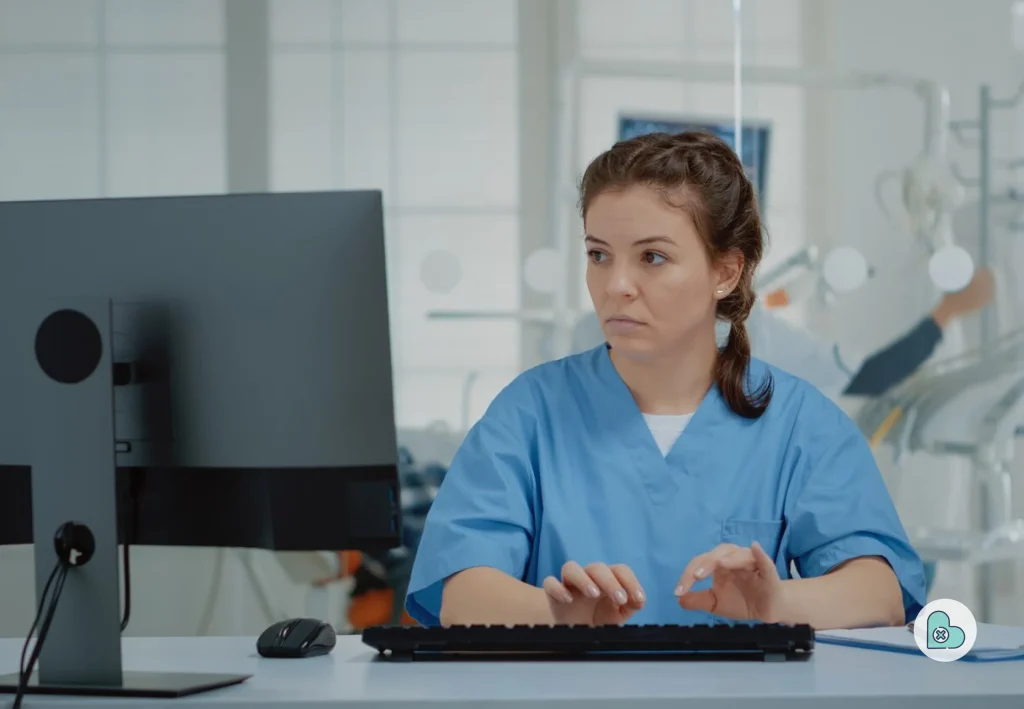
Why is your medical info still scattered? Right now, fragmented healthcare data is a massive headache. Your records are spread across hospitals, labs, and tiny clinics. Even your smartwatch data stays in its own world. This makes it very hard to see the big picture. When data is stuck in silos, bad things happen. You might get the wrong diagnosis. You might have to take the same test twice. It is frustrating for you and your doctor. Without healthcare data integration, medicine stays reactive. We want it to be proactive.
What is a Unified View of the Patient?

_rawpixel.com _ freepik
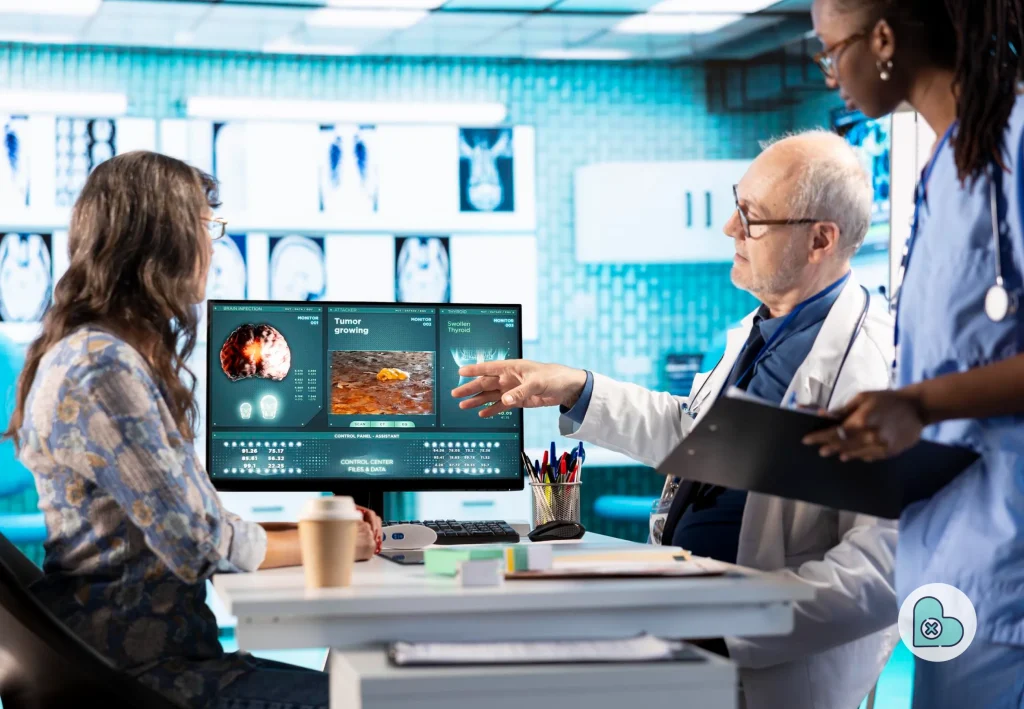
It sounds fancy, but the idea is simple. A unified view of the patient means one single profile for your whole health journey. Think of it as a “master file.” This file combines your medical history and lab results. It adds your prescriptions and even your lifestyle data. When doctors have real-time access to patient data, they work faster. They don’t have to guess what happened at your last checkup. Unified patient data connects the dots between different treatments. It makes patient–centric healthcare a real thing, not just a buzzword.
The Tech Behind Patient Data Interoperability
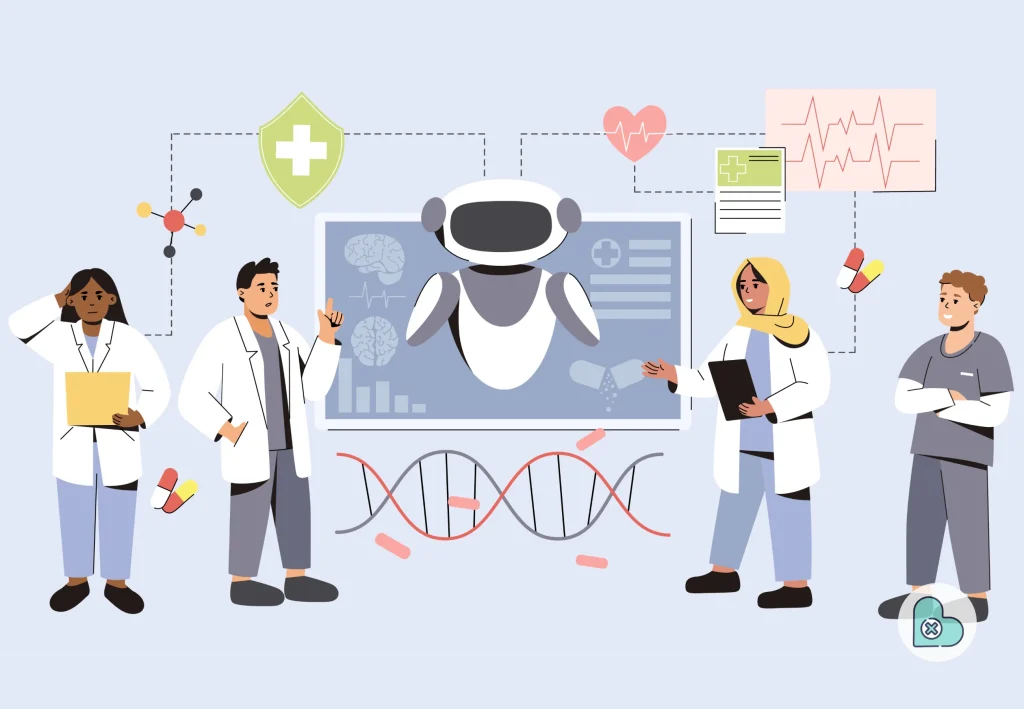
How do we fix this? Several tools are enabling interoperability of patient data. First, we have interoperable EHR systems. These are digital records that actually talk to each other. Then, we use Health Information Exchange (HIE) to share data safely. AI in healthcare data helps identify patterns in large datasets. We also use cloud-based healthcare solutions to securely store everything. Tools like healthcare APIs and FHIR healthcare standards act like a universal language. They help integrated healthcare systems stay on the same page.
Better Data Means Better Patient Care
When we use unified patient data, care improves significantly. Doctors can give you a personalised treatment plan because they know your whole history. This leads to fewer medical errors. It also helps with care coordination technology. Specialists can talk to your primary doctor without any lag. A unified view of the patient systems turns raw numbers into life-saving actions. It ensures that your data follows you wherever you go. This is the core of digital transformation in healthcare.
Benefits for Doctors and Hospitals

_ Drazen Zigic _ freepik
Unified healthcare platforms make life easier for medical staff. Doctors spend less time on paperwork and more time with you. It prevents hospitals from repeating the same test, saving significant money. More innovative healthcare data integration leads to better clinical workflows. It helps hospital leaders make choices based on real facts. By 2026, unified patient data will be the backbone of every clinic. This shift supports value-based healthcare models, where quality matters most.
Why Patients Love Connected Healthcare Data
You deserve to own your health story. With a unified view of the patient, you get full access to your records. You won’t have to fill out the same five forms every time you see a new doctor. This builds deep trust between you and your healthcare provider. You become an active partner in your care. Connected healthcare data means you can see your results on your phone instantly. It leads to predictive healthcare analytics that can spot a problem before you even feel sick.
Keeping Your Data Safe and Private
_ DC Studio _ freepik
Can we trust these systems? Patient data security and privacy are the top priorities. To achieve a unified view of the patient, we need strong shields. This includes HIPAA compliance, healthcare rules, and tough data encryption. We also use consent-based data sharing. This means you decide who can see your medical information. Unified patient data systems use “zero-trust” rules to block hackers. Security is the only way to keep the public’s trust in these new unified healthcare platforms.
Challenges We Must Face by 2026
The road to patient data interoperability isn’t perfect yet. Many hospitals still use old “legacy” computers that don’t like to share. We also need to train staff to use these new tools correctly. Different regions have different rules, which can slow down healthcare data integration. We must close these gaps to achieve an accurate, unified view of the patient. Standardising how data looks is a big job. But the goal of connected healthcare data is worth the hard work.
The Future: Predictive Health and Beyond
What happens after 2026? Once unified patient data is the norm, medicine changes forever. We will move from “fixing sick people” to “keeping people healthy.” We might see “digital twins” that help doctors simulate surgeries before they happen. Wearable health data integration will provide your team with continuous updates. A unified view of patient data will power AI to predict heart attacks years in advance. It’s a whole new world of wellness.
Conclusion: A New Era of Care
The unified patient view is more than just a tech update. It is a brand-new way to save lives. By 2026, healthcare data integration will be the standard, not the exception. We are moving toward a world where your medical story is clear, safe, and complete. Unified patient data builds the bridge to better outcomes for everyone. It is time to embrace connected healthcare data and a healthier future.



Leave a Reply