

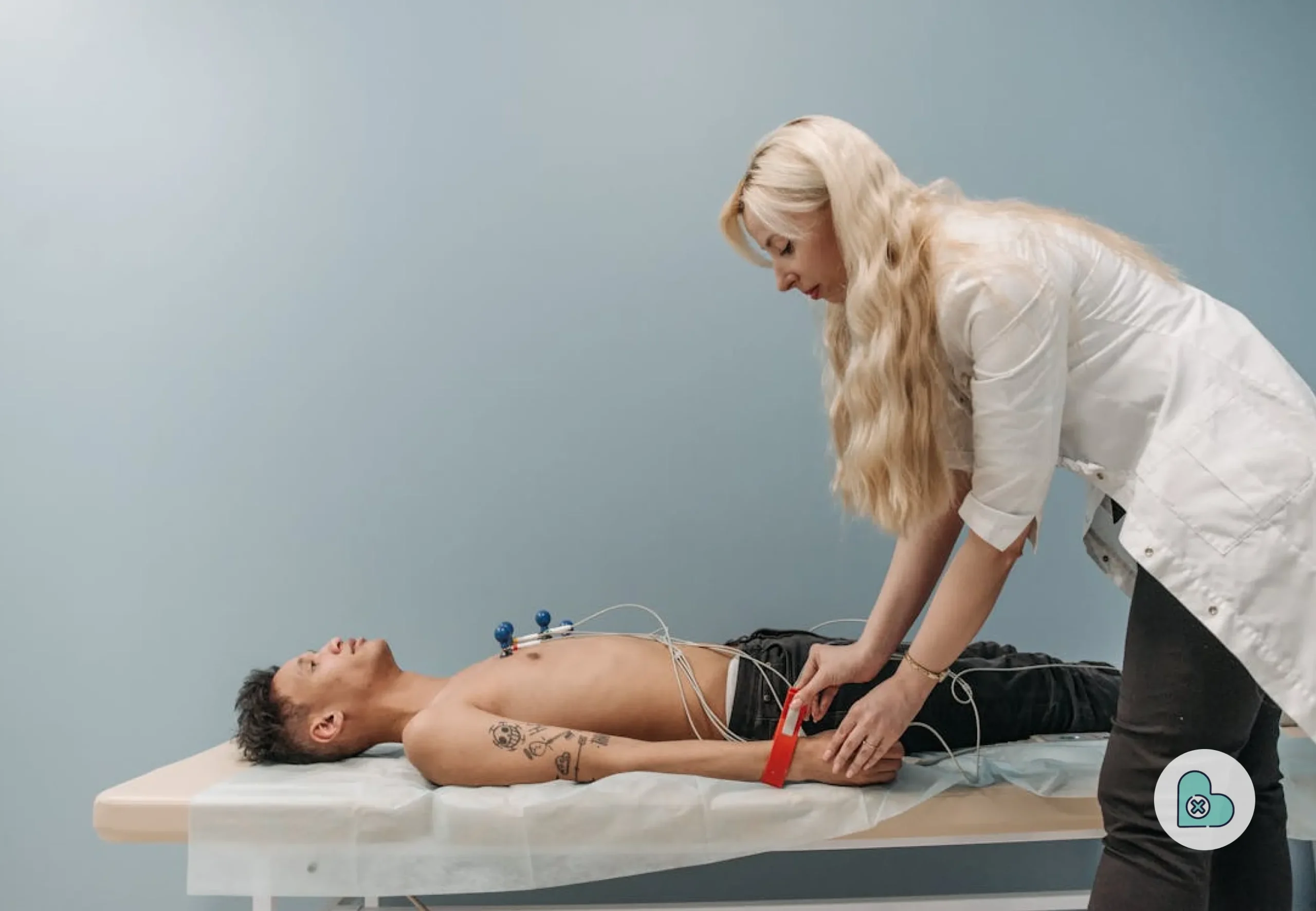
Your heart beats about 100,000 times every single day. And for millions of people around the world, every single one of those beats matters more than they ever expected.
That is exactly why the wearable ECG monitors market is growing so fast. People are not just counting steps anymore. They want to know what their heart is actually doing — in real time, without sitting in a doctor’s office. And the technology to do exactly that is now sitting on their wrist or chest, quietly working around the clock.
Let us break down what is happening in this space, why it matters, and where it is all headed.
How Big Is the Wearable ECG Monitors Market Right Now?
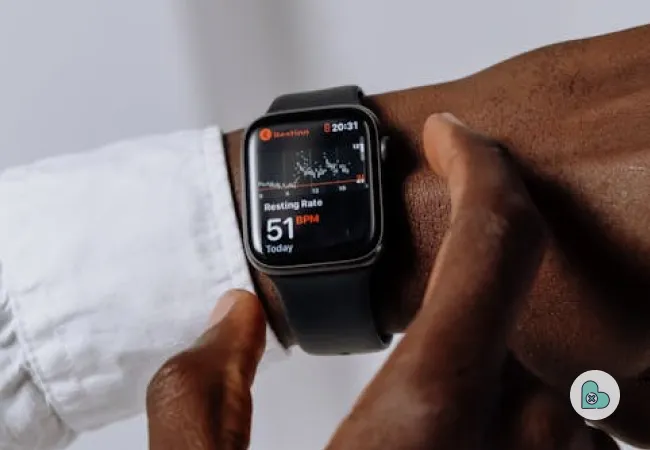
_ pexels
The numbers tell a compelling story.
The global wearable ECG monitors market was valued at nearly $1,924.6 million in 2021. It is projected to reach $6,272.3 million by 2026 — a remarkable 26.7% growth rate. And if forecasts hold, the wearable electrocardiogram market could hit $18,247.9 million by 2031, growing at a CAGR of 23.8%.
That kind of growth doesn’t happen by chance. It is driven by a combination of rising disease burden, advanced technology, and a population more health-conscious than ever before.
What Is Pushing the Market Forward?

_ pexels
Rising Cardiovascular Disease Is a Real and Urgent Problem
According to the World Health Organization, cardiovascular disease kills around 17.9 million people every year — making it the leading cause of death globally. In the United States alone, it accounted for 696,962 deaths in 2020, based on CDC data.
This is not a distant statistic. It is a reality that families, doctors, and healthcare systems face every day. As more people are diagnosed with heart-related conditions, the demand for cardiac monitoring devices increases. Doctors need better data. Patients need continuous oversight. And ECG monitoring devices are stepping up to fill that gap.
R&D Is Producing Genuinely Useful Innovations
One of the strongest drivers of this market is the pace of advanced electrocardiographic technology. Companies are not just improving old products — they are building entirely new categories of devices. A good example is AliveCor, which launched the Kardia Mobile 6L in India in 2020. It is a personal, portable ECG device that gives clinical-grade readings without a hospital visit.
Portable ECG monitors and single-read remote monitoring devices are expanding access to cardiac care for people who previously had no easy access. That is a big deal — and it is just the beginning.
The Opportunity That Most People Are Not Talking About
Convenience Is a Competitive Advantage
Here is what makes wearable ECG devices different from traditional monitoring tools: people actually use them. Holter monitors require wires, clips, and careful handling. Wearable devices are water-resistant, easy to put on, require no maintenance, and do not interrupt daily life.
That ease of use translates into better compliance. When patients stick to monitoring routines, doctors get better data. Better data leads to better decisions. It is a simple chain, but it matters enormously in real healthcare settings.
Non-invasive heart monitoring through wearables also removes a psychological barrier. People who might delay or skip a traditional cardiac check are much more willing to wear a device that feels like a fitness tracker. That shift in behavior is quietly transforming how early heart conditions get detected.
Atrial Fibrillation Is Creating Massive Demand
Atrial fibrillation — commonly called AFib — is one of the most common heart rhythm disorders diagnosed today. With an aging global population, AFib cases are expected to reach 12.1 million by 2030. The CDC reported that AFib was the root cause of about 26,535 deaths in the United States in 2019 alone.
Atrial fibrillation detection devices are therefore in huge demand. Ambulatory ECG monitoring — monitoring performed while patients go about their normal lives — is now considered essential for detecting AFib early. This is one area where wearable heart-monitoring devices have a distinct clinical advantage over in-clinic tests, which capture only a snapshot of cardiac activity.
What Is Slowing Things Down?
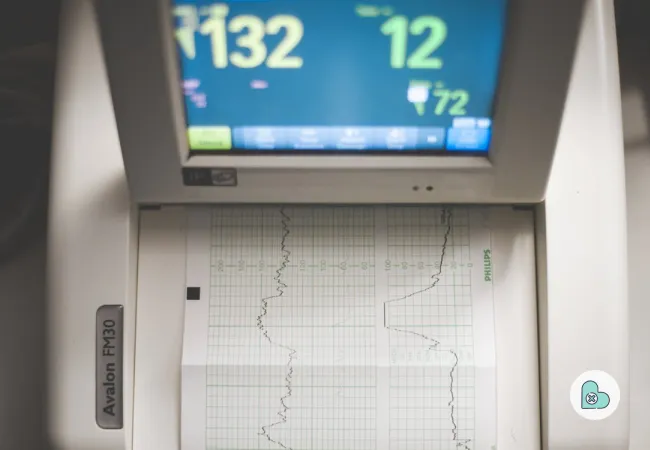
_ pexels
No market grows without friction, and the wearable ECG monitors market has its share of challenges.
The biggest one is cost. ECG monitoring devices with advanced features are expensive, limiting adoption in lower-income populations and developing regions. For healthcare systems already stretched thin, justifying the expense requires clear clinical evidence of value.
The second challenge is the shortage of trained professionals. Reading and interpreting ECG data correctly requires skill. Misreading the results can lead to a wrong diagnosis. As the market scales, there will need to be a parallel investment in training healthcare workers to get the most out of these tools.
Data security and regulatory hurdles have also created friction in the past. ECG data security issues remain a concern as more patient health data moves through connected devices and cloud platforms.
Where Is This All Going?
The trajectory of real-time heart-monitoring technology is clearly upward. Continuous cardiac monitoring systems are getting smarter, smaller, and more accurate. ECG device innovation is accelerating. And the global push toward preventive, patient-centered healthcare is creating a market environment where wearable health devices are no longer optional extras—they are expected tools.
The ECG market forecast for 2026 and 2031 suggests this is still an early chapter. The organizations — and the patients — who embrace remote patient monitoring ECG technology now will be significantly better positioned as the landscape matures.
Your heart is working hard every single day. The technology to listen to it has never been better.
COVID-19, AI, and the Future of Wearable ECG Monitors: What You Need to Know ?
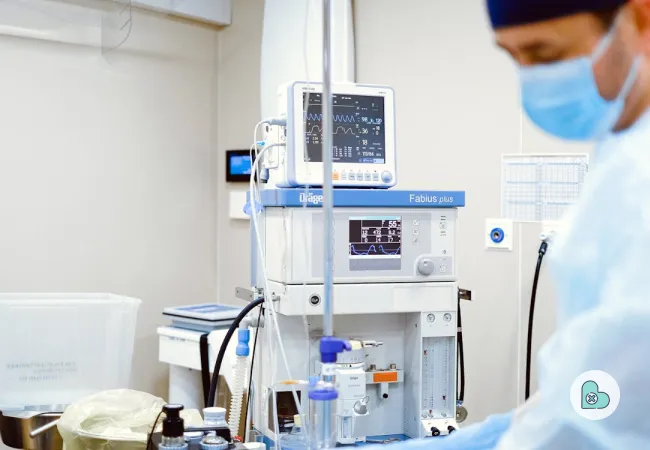
-pexels
Nobody thought a breathing illness could hurt the heart. But COVID-19 proved everyone wrong.
When the pandemic spread around the world, doctors started seeing something unexpected. Many COVID-19 patients were also having heart problems. Their heart would beat too fast, too slow, or irregularly. This made people realize one thing — keeping a close watch on the heart is more important than ever. And that is exactly what wearable ECG monitors are built to do.
How COVID-19 Changed the Wearable ECG Market?
The COVID-19 impact on the ECG market was big — and it worked in two ways.
First, things got hard. Hospitals were full. Factories slowed down. It became difficult to procure and deliver medical devices on time. ECG supply chain recovery was slow, and many patients had to wait longer than usual for their tests and check-ups.
But then something good happened. The pandemic showed everyone that people needed a way to check their heart from home. Nobody wanted to go to a hospital unless they absolutely had to. So the need for remote patient-monitoring ECGs rose very quickly. Doctors needed tools to watch over their patients from a distance. Connected care solutions, ECG companies stepped up and started offering products that made this possible.
After the pandemic, the market came back stronger. Companies merged, launched new products, and got fresh approvals. The world of heart monitoring is never going back to the old way.
The Problems That Still Hold This Market Back
ECG Device Inaccuracies Are a Real Issue
Let us be honest — wearable ECG monitors are not perfect. This is something not many people talk about openly, but it matters.
ECG device inaccuracies are among the biggest challenges in this market. Sometimes these devices show the wrong heart rate. Sometimes they miss a rhythm problem. And they cannot check for everything — conditions like high blood pressure, blood clots, or stroke are beyond what these devices can currently detect—these precision issues with wearable ECGs slow adoption.
There is also a fairness problem that needs more attention. Many wearable devices use green light technology — called photoplethysmography (PPG) — to detect the heart signal through the skin. But this light does not work as well on people with darker skin tones. This means the readings can be less accurate for them. Even some pulse oximeters, including those in newer smartwatches, have shown the same problem. This is a serious ECG adoption challenge the industry needs to fix—not ignore.
The Trends That Are Driving Real Change
AI Is Making ECG Smarter
The biggest and most exciting change happening in the wearable ECG market trends today is artificial intelligence. AI in ECG monitoring is already working in the real world—and saving lives.
Here’s how it works, simply put. AI-based ECG interpretation analyzes the ECG’s lines and waves. Then it tells doctors which patients might be at risk of a dangerous heart problem — before it actually happens. This kind of ECG predictive analytics was not possible just a few years ago.
A great example is AliveCor. In November 2020, the FDA approved their AI system for the Kardia ECG device. This FDA-approved ECG AI can automatically detect atrial fibrillation and other heart conditions — without a doctor having to manually read the report. That is a huge step forward for smart ECG devices everywhere.
Arrhythmia and atrial fibrillation detection AI are especially useful because these heart problems are very common and can be dangerous if missed. Catching them early — while someone is going about their normal day — is what makes wearable ECG devices so valuable.
ECG Smartwatches Are Getting Better Too
ECG smartwatch technology keeps improving year after year. These devices are getting more accurate and much easier to use. In the future, they are expected to catch heart problems that even today’s smartwatches — like the Apple Watch — might miss. That is a big opportunity for companies building advanced ECG monitoring technology.
Where the Market Is Heading
The wearable ECG market offers strong growth opportunities across many areas.
Wired ECG devices are expected to bring in $2,257 million in sales by 2026. Devices used for heart attacks, coronary artery disease, and angina could reach $1,147.7 million. Clinical-grade devices lead the pack at $3,350.3 million. Home care ECG monitoring is growing fast as more people manage their heart health from the comfort of their own home.
In terms of geography, the ECG market in the USA is expected to grow the strongest, with $1,366.2 million expected in gains. America has a large aging population, strong healthcare systems, and people who are open to using health technology every day.
For companies that want to grow, the message is simple — invest in AI for ECG monitoring, reach new customers through direct-to-consumer ECG devices, keep prices fair so more people can afford these tools, and keep showing up at healthcare events to build trust with doctors and hospitals.
The wearable ECG market struggled during COVID-19. It faced real problems with accuracy and fairness. But it also found a new purpose—and AI is helping it become far more powerful than it ever was before.






Leave a Reply