

Let’s be real for a second. You’re eating better, moving more, and doing all the “right” things — yet the scale barely budges. Or maybe your body has changed shape in ways that feel completely out of your control, especially around your 40s and beyond. If this sounds familiar, you’ve probably started wondering whether weight loss supplements could finally give you an edge.
Here’s the thing — supplements aren’t a miracle fix. But they can genuinely support your journey when used smartly alongside real lifestyle changes. This guide cuts through the noise to give you honest, evidence-based answers about the best weight loss supplements for women, how they work, and what you can realistically expect.
Why Weight Loss Feels Harder for Women
_freepik
Before jumping into supplements, it helps to understand why your body feels like it’s working against you. For many women, especially during perimenopause and menopause, hormonal shifts affect metabolism, appetite, sleep, and fat distribution. Your estrogen levels drop. Muscle mass naturally decreases with age. Your body’s ability to regulate blood sugar and insulin changes, too.
These are real biological shifts — not a willpower problem. And that’s exactly why natural weight loss supplements that support metabolism, appetite, and hormonal balance have become such a hot topic.
Weight loss is simply about burning more calories than you take in. But as any woman over 40 will tell you, that equation is far more complicated than it sounds. Sleep quality, stress levels, gut health, hormones, and muscle mass — they all play a role. The right supplements for boosting metabolism and controlling appetite can tip that balance in your favor.
6 Best Weight Loss Supplements for Women Backed by Science
_freepik
1. Fiber Supplements — The Underrated MVP
If there’s one supplement that shows up consistently in research, it’s fiber. Most of us fall well short of the recommended daily intake, and that gap quietly sabotages weight loss efforts.
Fiber supplements for weight loss work through several pathways at once. Soluble fiber (like psyllium husk) absorbs water, slows digestion, and stimulates gut hormones that tell your brain you’re full. It also helps stabilize blood sugar levels after meals — reducing those sharp cravings that lead to overeating. On top of that, when fiber ferments in your gut, it creates short-chain fatty acids that play a role in regulating appetite and body weight.
The research here is genuinely compelling. A review of 12 randomized controlled trials found that adults who took psyllium husk weight-loss supplements for 2 to 17 weeks lost about 5.5 pounds more than those who took a placebo. Separate research in the journal Nutrients showed that people genetically prone to obesity who took supplements such as psyllium or inulin for 180 days lost significantly more weight, body fat, and visceral fat than a control group.
Soluble fiber benefits go beyond weight loss, too — they support heart health, gut microbiome diversity, and healthy blood sugar regulation. If you’re going to add just one supplement to your routine, fiber is a strong place to start.
What to Look For:
- A blend of soluble and insoluble fiber
- Added chromium picolinate to help curb sugar cravings
- No added sugar or artificial fillers
2. Green Tea Extract (EGCG) — Small but Real Results
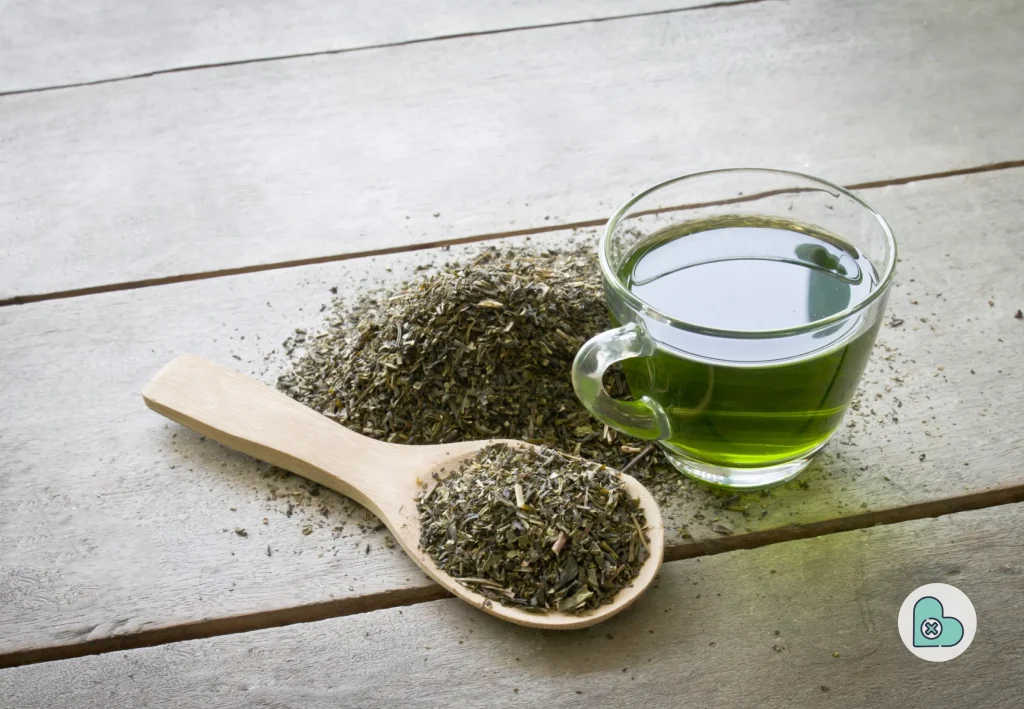
Green tea extract EGCG’s weight-loss benefits are real, if modest. The key compound here is EGCG (epigallocatechin gallate), an antioxidant that has been studied for its effects on metabolism, inflammation, and gut health.
One long-term study from China found that women who drank green tea regularly for 20 years had lower BMIs, higher estrogen levels, and fewer symptoms of depression and insomnia compared to non-regular drinkers. Interesting on the hormonal front, right?
When it comes to supplements specifically, taking 1,000 mg of green tea extract per day for at least 8 weeks has been shown to result in losing roughly 2 to 3 extra pounds compared to a control group. It’s not dramatic — but when you’re trying to shift stubborn weight, every bit helps.
One important note: green tea for fat loss supplements have been linked to liver injury in rare cases, so it’s worth checking with your doctor before adding them to your regimen. Drinking brewed green tea, on the other hand, is generally considered safe for most people.
3. Protein Powder — Your Secret Weapon for Metabolism and Muscle
Protein is having its moment in the wellness world — and with good reason, especially for women focused on supplements for metabolism boost and healthy body composition.
Here’s something that doesn’t get talked about enough: as you age, you naturally lose muscle mass. Less muscle means a slower metabolism. And there’s a concept called the protein leverage effect — when your body is low on protein, it actually drives you to eat more (often of the wrong foods) in an attempt to compensate. This can quietly fuel weight gain without you even realizing it.
Protein powder for weight loss helps in two main ways. First, protein is the most satiating macronutrient — it keeps you feeling full longer and helps curb appetite, suppressing cravings throughout the day. Second, adequate protein intake is essential for preserving and building lean muscle, which keeps your metabolism humming.
Whey protein benefits are well established for muscle maintenance, but plant protein powder options like pea protein are a great alternative for those who are dairy-free or vegan. The key is to look for powders with no added sugar, minimal ingredients, and a solid amino acid profile.
One catch: protein powder works best when paired with resistance training. The two together create the ideal conditions for retaining lean muscle and supporting long-term fat loss.
4. Probiotics — Gut Health’s Role in Weight Management
The gut-weight connection is one of the most exciting areas of research in women’s health right now. Probiotics for weight loss work by supporting the diversity and balance of your gut microbiome, which influences everything from how you absorb calories to how well you regulate appetite hormones.
The evidence is still building, but some studies link probiotic supplementation to modest reductions in body weight and waist circumference. What’s especially interesting for women going through the menopause transition is that probiotics may also help reduce hot flashes and mood changes — symptoms that often make sticking to healthy habits much harder.
You can get probiotics through fermented foods like yogurt, kefir, kimchi, sauerkraut, and kombucha. But for therapeutic doses, a high-quality gut health and weight-loss supplement may provide more consistent strains and dosages.
5. CLA (Conjugated Linoleic Acid) — Especially Useful for Certain Women
CLA supplement weight loss research has been ongoing for nearly three decades. This naturally occurring fatty acid, found in red meat and dairy, is thought to support fat loss through mild appetite-suppressing and metabolism-boosting effects — though researchers are still working out exactly how.
A meta-analysis of eight clinical trials found that women who took CLA supplements for at least six weeks lost about 2.5 pounds. Notably, conjugated linoleic acid benefits appeared strongest in women who were overweight, had obesity, or were postmenopausal — making it particularly relevant for women navigating hormonal weight changes.
It’s not going to transform your body dramatically on its own. But as part of a comprehensive plan, it may offer additional support — particularly for supplements to address menopausal weight gain.
6. Berberine — The Natural Ozempic Alternative
You’ve probably heard berberine called “nature’s Ozempic,” and while that label is a bit of a stretch, there’s genuine science behind the hype. Berberine’s weight-loss effects are thought to work through several mechanisms: suppressing genes involved in fat cell development, boosting metabolism, and supporting healthy insulin function.
A review of the literature found that taking at least 1 gram of berberine daily for more than 8 weeks led to significant reductions in BMI and body weight. As a natural Ozempic alternative and one of the more studied supplements for insulin regulation, it’s generating a lot of attention in the functional medicine world.
However, just like GLP-1 medications, berberine can cause GI side effects, including nausea, bloating, and abdominal discomfort. There’s also no standardized formula across products, which creates quality-control issues. Always buy from a third-party tested brand.
Do Vitamins Play a Role in Weight Loss?

_freepik
Vitamins aren’t direct fat-burning supplements for women — but certain micronutrient deficiencies can quietly undermine your progress. Here’s what the research shows:
Vitamin D and weight loss have an interesting relationship. Low vitamin D levels are associated with obesity, though supplementing hasn’t been proven to cause weight loss directly. Still, many women are deficient, and correcting that deficiency supports overall hormonal health.
The B vitamins’ metabolism connection is real — these vitamins play a direct role in how your body converts food into energy. Getting adequate B vitamins from diet (fish, poultry, eggs, leafy greens, legumes) supports energy metabolism and may help with energy balance when used with supplements.
Magnesium for weight management works indirectly—primarily by supporting better sleep and mood regulation. Since poor sleep disrupts appetite hormones like leptin and ghrelin, and emotional eating is one of the biggest obstacles to weight loss, magnesium can be surprisingly useful as a foundational supplement.
Weight Loss Supplements vs. Prescription Medications

_freepik
The question of supplements vs. weight-loss medications is worth addressing directly. Prescription options like semaglutide (Ozempic, Wegovy) and tirzepatide (Mounjaro, Zepbound) are FDA-approved GLP-1 receptor agonists that have undergone rigorous clinical trials. They’ve demonstrated significant weight loss results — often 15–20% of body weight — in clinical studies.
Supplements, by contrast, are over-the-counter, less regulated, and typically produce more modest results — often in the 2 to 6 pound range in clinical studies. The category as a whole has far less oversight than pharmaceuticals.
This doesn’t mean supplements aren’t valuable — they absolutely can be for the right person, especially when prescription options aren’t appropriate or desired. But it’s worth understanding the distinction before building your expectations.
Safe Weight Loss Supplements — How to Choose Wisely
Weight loss supplement safety tips start with one rule: always talk to a healthcare provider before adding anything new to your routine. Beyond that:
- Look for third-party-tested supplements with certification from NSF or a supplement certification body, or from the USP certified supplements program — these verify that what’s on the label is actually in the bottle and that nothing harmful has snuck in.
- Steer clear of products with outrageous claims — no single supplement will melt belly fat overnight.
- Start with one supplement at a time so you can assess effects clearly.
- Pay attention to how your body responds.
Choosing supplements wisely also means considering your individual health picture. If you have blood sugar issues, berberine or fiber may be especially relevant. If you’re postmenopausal and losing muscle, protein powder and resistance training should be your foundation.
The Bottom Line: Supplements Are Tools, Not Shortcuts
The most effective healthy weight loss plan for women combines real food, regular movement (especially strength training), quality sleep, and stress management. Supplements for fat burning, appetite control, and metabolism support can give you a meaningful edge — but they work best when they’re filling specific gaps in that bigger picture.
The best weight loss supplements for you depend on your age, health status, hormonal stage, and lifestyle. What works beautifully for one woman may do very little for another. That’s why working with a knowledgeable healthcare provider — one who understands women’s metabolic health and won’t just tell you to “eat less and move more” — makes all the difference.
Start with the basics: fiber, protein, and gut health. Build from there based on your specific needs. And above all, give it time. Lifestyle changes for weight loss don’t happen overnight — but they do happen.




Leave a Reply